Which Incoterm Should an Importer Request?

An importer rarely receives quotations in a perfectly comparable format. One supplier may quote EXW from its factory, another may offer FOB at the nearest port, and a third may send a CIF price to the buyer’s destination port. The lowest number on the page is not necessarily the lowest buying cost.
The useful question is not, “Which Incoterm is best?” It is, “Which Incoterm gives this buyer the right balance of control, cost visibility and operational responsibility for this shipment?” A buyer with an established freight forwarder may prefer to control the main transport. A first-time importer may value a delivery term that reduces the number of arrangements they must make. Neither approach is automatically better.
This guide is designed as a decision tool. For definitions of the individual rules and a broader comparison of responsibilities, see Incoterms 2020 Explained for Importers: FCA, CPT, CIP, FOB, CIF, DAP and DDP.
Begin with the part of the shipment you want to control
Before requesting a price, decide who should arrange each major stage:
- Collection from the supplier’s premises
- Export customs clearance
- Delivery to the terminal or port
- Main international freight
- Cargo insurance
- Destination handling
- Import customs clearance
- Final delivery to your warehouse
Importers often choose an Incoterm by habit. A better method is to mark the stages where the buyer has reliable partners and competitive rates. The supplier can then be asked to cover the remaining stages.
A practical starting point
| Buyer situation | Term to request first | Useful comparison quote |
|---|---|---|
| You have a forwarder in the supplier’s country | FCA | EXW |
| You control ocean freight for non-containerized cargo | FOB | FCA |
| You want the supplier to arrange freight to your port | CIF or CFR | FOB |
| You want delivery near your warehouse but will clear customs | DAP | CIF |
| You want a door-delivered offer with import formalities included | DDP, after checking feasibility | DAP |
| You are placing a small trial order by courier or air freight | FCA, CPT or DAP | EXW |
This table is a starting point, not a substitute for checking the shipment, destination country and supplier capability.
Request FCA when you want control without taking over export clearance
FCA is often a practical choice for international buyers. The seller completes export clearance and delivers the goods to the named carrier or place. The named place may be the seller’s facility, a freight forwarder’s warehouse, an airport terminal or another agreed handover point.
For containerized sea freight, FCA is frequently cleaner than FOB because the container is normally handed to the carrier before it is physically loaded on board the vessel. The quotation should identify the handover point precisely, for example:
FCA Supplier’s Warehouse, Bursa, Türkiye, Incoterms® 2020
Ask the supplier whether loading at its premises is included, which export documents are included, and whether any terminal delivery fee sits outside the quoted amount.
Use EXW mainly when your local logistics arrangement is strong
EXW can look attractive because it usually produces the lowest supplier quotation. The buyer takes responsibility from the seller’s premises and may need to arrange collection, loading, export formalities and every later stage.
That is manageable when the buyer has a forwarder that regularly operates in the export country. It can become awkward when the buyer’s nominated carrier cannot complete local export procedures or when documents must be issued by the seller.
When comparing EXW with FCA, request a separate price for:
- Loading the vehicle
- Export declaration and customs broker charges
- Certificate or document fees
- Transport to the carrier’s depot
A small gap between EXW and FCA may be worth paying to keep export clearance with the party established in the exporting country.
Ask for FOB only when it matches the transport method
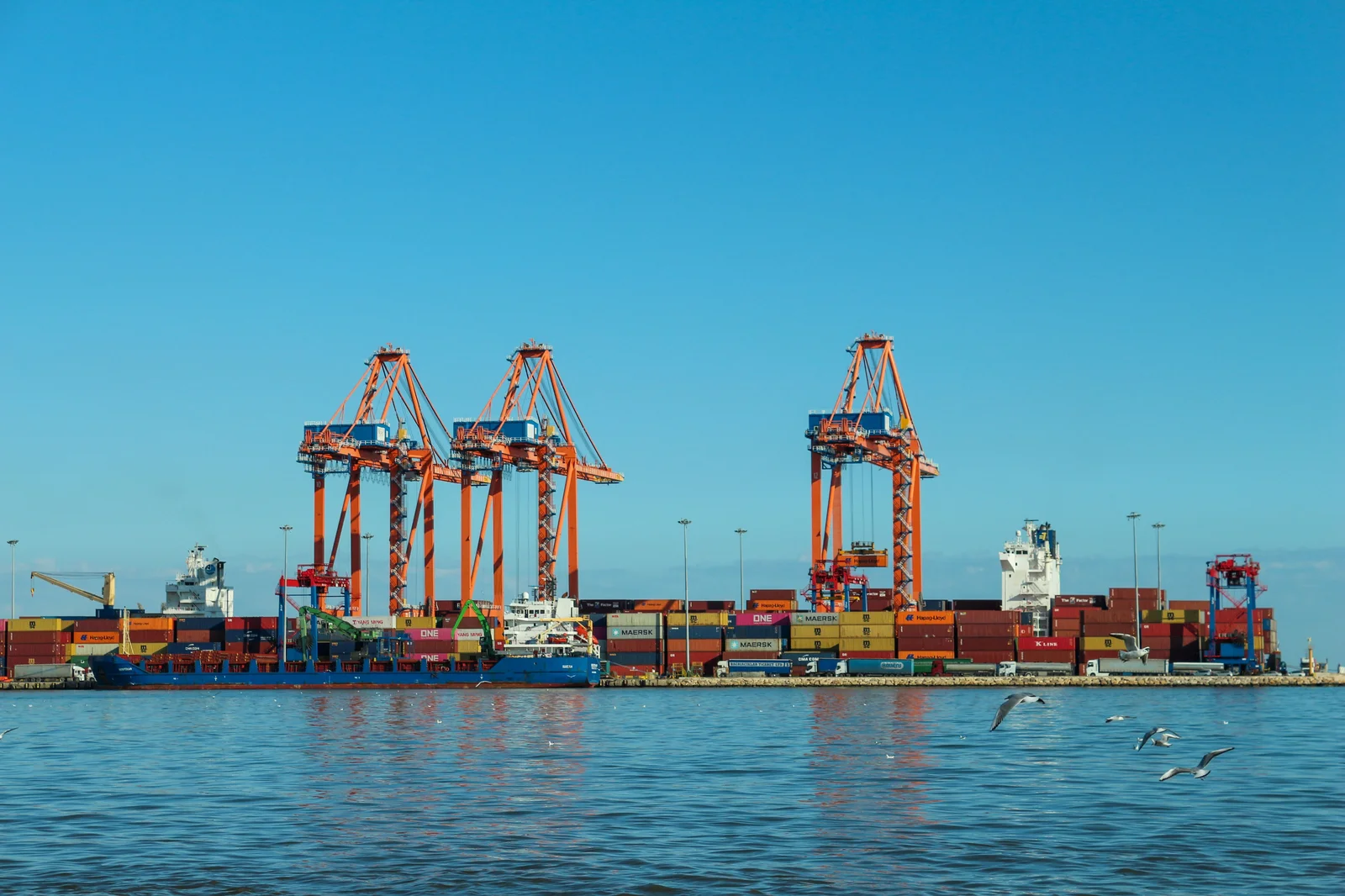
FOB remains widely requested for sea shipments, but it should not be used as a general synonym for “export price.” Under FOB, the seller delivers the goods on board the nominated vessel at the named port of shipment. The buyer arranges the main freight.
FOB is most natural for conventional cargo or bulk cargo that is delivered directly to the vessel. For containerized shipments, ask your forwarder whether FCA at a named terminal would better reflect the actual handover.
A usable quotation should read more like:
FOB Port of Mersin, Türkiye, Incoterms® 2020
It should not simply say “FOB Türkiye.” Ports can involve different inland freight, handling and documentation costs.
Request CIF when you need a freight-inclusive port price
CIF can be useful when the supplier has competitive ocean freight rates or when the buyer wants a quick price to a destination port. The seller arranges and pays the main carriage and the required insurance to the named destination port.
The important point is that payment of freight to the destination does not mean the seller carries the transit risk all the way to that port. Under CIF, delivery and risk transfer occur earlier, when the goods are on board at the port of shipment.
A CIF quotation should trigger a second set of questions:
- Which destination charges are excluded?
- Which carrier and route are expected?
- What level of insurance is provided?
- Are transshipment and congestion surcharges included?
- How long is the quoted freight rate valid?
For a fair comparison, ask the same supplier for FOB and CIF. The difference shows what the supplier is charging for freight and insurance.
Choose DAP when you want destination delivery but will handle import clearance
DAP can remove much of the transport coordination from the buyer’s workload. The seller arranges carriage to the named destination, while the buyer normally handles import clearance, duties and taxes. The goods are delivered ready for unloading.
The named destination must be exact. “DAP Germany” is not a workable commercial instruction. A warehouse address, logistics centre or clearly identified terminal is better.
DAP is often easier to administer than DDP because the importer remains responsible for local customs entry and taxes. This may also fit countries where a foreign seller cannot act as importer of record.
Treat DDP as a commercial service, not a magic all-inclusive label
DDP places extensive responsibility on the seller, including import clearance and payment of import duties and taxes. That can be convenient for the buyer, but only when the seller can legally and practically perform those obligations in the destination country.
Before requesting DDP, check:
- Who will act as importer of record?
- Whether the seller has the necessary tax or customs registration
- Whether VAT or sales tax is included and recoverable
- Which charges can be adjusted after customs assessment
- Whether unloading is included
- What happens if customs requests additional product documentation
A quotation labelled DDP without answers to these questions can create more uncertainty than a clearly priced DAP offer.
Compare quotations by rebuilding the landed cost
Consider three offers for the same order:
| Offer | Quoted amount | Buyer must still add |
|---|---|---|
| EXW supplier factory | $10,000 | Pickup, export clearance, origin handling, freight, insurance, destination charges and final delivery |
| FOB named port | $10,850 | Main freight, insurance, destination charges, customs and final delivery |
| CIF destination port | $12,200 | Destination charges, customs, duties, taxes and final delivery |
The EXW offer may still win, but only after every missing cost is added. The CIF offer may be more expensive because the supplier’s freight rate is high, or it may be competitive because the supplier ships regularly and receives better carrier pricing. The Incoterm reveals where to look; it does not reveal the final answer by itself.
Ask for two or three Incoterm options in the same RFQ
A buyer does not need to commit to one term before seeing any prices. For a meaningful comparison, include wording such as:
Please provide separate quotations for:
1. FCA your facility, including loading and export customs clearance.
2. FOB your usual port of shipment, if suitable for this cargo.
3. CIF Port of Rotterdam, Netherlands.
Please identify all excluded origin and destination charges and state the freight validity period.
For door delivery, add a full address and request DAP as a separate option. Avoid asking for every possible Incoterm; suppliers are more likely to respond clearly when the request reflects a realistic shipping plan.
Which Incoterm should a new importer request?
For many first international orders, FCA and DAP are useful terms to compare. FCA keeps export formalities with the supplier while allowing the buyer’s forwarder to control the international transport. DAP gives the supplier more responsibility for carriage but keeps import clearance with the buyer.
EXW may be workable for a small courier shipment, especially when the courier handles export collection. DDP may look simplest, but it needs careful checking because import registration, duties and taxes vary by country.
Which Incoterm should an experienced importer request?
Experienced importers often prefer FCA or FOB because they can negotiate freight directly, consolidate orders and select carriers. Buyers with volume contracts may also obtain better insurance and destination handling rates than individual suppliers.
The right term can change by route. A buyer may use FCA for air freight, FOB for breakbulk cargo and DAP for an urgent spare-part delivery.
The named place matters as much as the three-letter term
Always include the named place or port and the rule version. These are different commercial instructions:
- FCA supplier’s factory
- FCA forwarder’s terminal
- DAP airport cargo terminal
- DAP buyer’s warehouse
The location changes cost, delivery and risk. A complete reference should follow this pattern:
[Incoterm] [named place or port], Incoterms® 2020
Final recommendation
Do not choose an Incoterm because it produces the lowest headline price or because it is the term your company has always used. Start with the transport stages you can manage well, ask the supplier to price the remaining stages, and compare at least two realistic options on a landed-cost basis.
For containerized orders, FCA deserves serious consideration. For port-price comparisons, ask for FOB and CIF together. For destination delivery, compare DAP with your own freight arrangement. Request DDP only after confirming that the seller can complete the destination-country obligations properly.
Buyers can describe the preferred delivery terms and named destination when submitting a sourcing request through Post RFQ.