Incoterms 2020 Explained for Importers: FCA, CPT, CIP, FOB, CIF, DAP and DDP
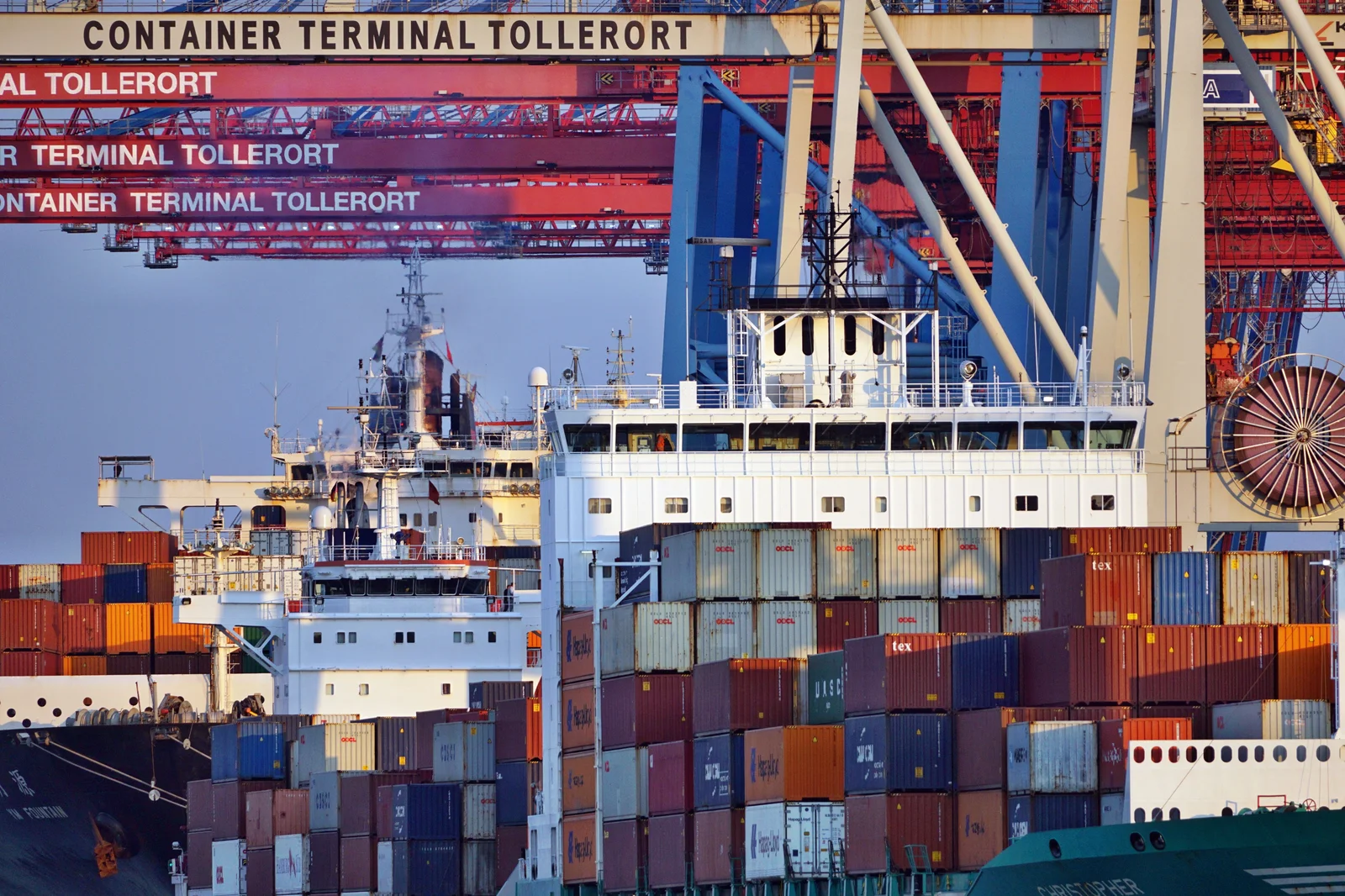
A supplier can offer an attractive unit price and still be the more expensive choice once pickup, export handling, freight, insurance and destination charges are added. This is why experienced buyers do not compare quotations by product price alone. They first check the Incoterm, the named delivery point and exactly which costs remain outside the offer.
Incoterms are standardized trade terms used in international sales contracts. They help the buyer and seller identify where delivery takes place, when transport risk moves from one party to the other, and who arranges particular parts of the journey. The current edition is commonly written as Incoterms 2020.
The term should never appear by itself. A useful quotation says FCA supplier's warehouse, Bursa, Incoterms 2020, CIP Rotterdam container terminal, Incoterms 2020 or DAP buyer's warehouse in Birmingham, Incoterms 2020. The named place matters because a vague term leaves room for disputes over pickup points, terminals, local handling and inland transport.
Why Incoterms matter when requesting supplier quotations
Suppose one manufacturer quotes USD 10,000 EXW and another quotes USD 10,800 FCA. The EXW price looks lower, but the buyer may still have to arrange factory pickup, loading, export formalities and local transport before the shipment reaches the same point covered by the FCA quotation.
Incoterms make that difference visible. They allow buyers to ask a more useful question: What will this order cost when both offers are brought to the same delivery point?
They also reveal operational responsibility. A small importer may not have an agent who can collect cargo from a remote factory or complete export formalities in the supplier's country. A larger buyer with contracted freight rates may prefer to control the main carriage rather than accept freight arranged by the seller.
What Incoterms decide and what they do not

Incoterms mainly allocate delivery, transport and customs responsibilities. Depending on the selected rule, they help define:
- where the seller completes delivery;
- when risk of loss or damage transfers to the buyer;
- who arranges and pays for the main carriage;
- who handles export customs formalities;
- who handles import clearance, duties and taxes;
- whether the seller must arrange cargo insurance; and
- which party pays specified loading, unloading or terminal-related costs.
They do not replace a complete sales contract. Incoterms do not by themselves determine payment timing, product specifications, inspection standards, transfer of ownership, warranty obligations, late-delivery penalties, force majeure, sanctions compliance or dispute resolution. Those points should be agreed separately.
For containers, start by looking at FCA, CPT and CIP
For containerized and multimodal shipments, buyers should normally consider FCA, CPT and CIP before automatically asking for FOB or CIF. The reason is operational. A container is commonly handed to a carrier or terminal before it is physically loaded on board the vessel. FCA, CPT and CIP can place delivery and risk transfer at that earlier, identifiable handover point.
FOB and CIF are rules for sea and inland-waterway transport where delivery occurs on board the vessel. They remain valid rules and can be appropriate when the contractual and physical delivery genuinely takes place on board, particularly for bulk, break-bulk and other conventional maritime cargo. They are often less suitable for ordinary container shipments delivered into a terminal before vessel loading.
This does not mean every container shipment must use the same term. The right choice depends on who controls the freight contract, whether the seller is paying the main carriage, whether seller-arranged insurance is required and the exact point where the carrier takes custody.
EXW: useful as a price reference, but often awkward in international trade
EXW, Ex Works, gives the seller the narrowest delivery obligation. The seller makes the goods available at the named place, often its factory or warehouse. The buyer then takes responsibility for collection and most of the remaining transport process.
EXW can be useful for comparing the manufacturing price before logistics are added. However, buyers should be cautious about using it as the final delivery term for an international shipment.
In some countries, a foreign buyer cannot practically or legally complete export customs procedures. The seller may also be better positioned to load the collecting vehicle, issue local documents and communicate with customs. If the seller is already expected to load the cargo and complete export clearance, FCA usually describes the real transaction more accurately.
Before accepting EXW, confirm whether the price includes export packaging, loading onto the collecting vehicle, local certificates, warehouse handling and assistance with export documents. For many importers, FCA is a safer operational starting point than EXW.
FCA: often the practical choice when the buyer controls freight
FCA, Free Carrier, requires the seller to deliver the goods to the buyer's nominated carrier at the agreed place. The seller handles export clearance. The delivery point might be the supplier's premises, a freight forwarder's warehouse, an airport cargo terminal, a rail terminal or a container terminal.
FCA can be used with road, rail, air, sea or combined transport. It is frequently more suitable than FOB for containerized cargo because it can describe the actual handover to the carrier before vessel loading.
The named location must be precise. FCA supplier's warehouse, Ankara, Incoterms 2020 is different from FCA Ambarli container terminal, Istanbul, Incoterms 2020. In the second example, the seller must arrange transport to the terminal before completing delivery.
FCA is particularly useful when the buyer has its own freight forwarder or negotiated freight rates and wants control of the main carriage.
CPT: seller pays the freight, but risk transfers earlier
CPT, Carriage Paid To, can be used for any mode of transport, including containerized and multimodal shipments. The seller contracts and pays for carriage to the named destination, but risk transfers to the buyer when the goods are delivered to the carrier at the agreed delivery point.
This distinction is important. Under CPT, the seller can be paying freight all the way to a destination terminal while the buyer has already assumed transport risk much earlier, when the goods were handed to the first carrier.
CPT can be attractive when the seller has competitive freight rates but the buyer does not require the seller to arrange cargo insurance. Buyers should still identify the exact delivery point where risk transfers and the exact destination to which the seller is paying carriage.
For example, a quotation might state CPT Hamburg freight terminal, Incoterms 2020. The seller pays carriage to Hamburg, but the buyer should not assume that risk remains with the seller until Hamburg.
CIP: carriage and stronger seller-arranged insurance
CIP, Carriage and Insurance Paid To, follows the same basic transport structure as CPT but also requires the seller to arrange cargo insurance to the level required by the rule. CIP can be used for any mode of transport and is particularly relevant to containerized and multimodal shipments.
As with CPT, the place where the seller pays carriage to can be different from the place where risk transfers. Risk normally moves to the buyer when the goods are handed to the carrier at the agreed delivery point, even though the seller continues paying transportation to the named destination.
CIP generally requires broader insurance cover than CIF under Incoterms 2020. That makes CIP worth considering for manufactured goods, machinery, electronics and other containerized cargo where the buyer wants seller-arranged carriage and more substantial insurance protection.
Insurance should still be checked carefully. Confirm the insured value, exclusions, deductible, geographic scope, claims procedure and whether the policy is suitable for the product.
FOB: useful for true on-board maritime delivery
FOB, Free On Board, is intended for sea and inland-waterway transport. The seller clears the goods for export and delivers them on board the vessel nominated by the buyer at the named port of shipment. Risk transfers when the goods are on board.
Under FOB, the buyer normally books and pays the ocean freight, cargo insurance if desired, destination handling, import clearance, duties and onward delivery. The seller covers the costs required to bring and load the goods on board at the origin port, subject to the agreed contract and local port arrangements.
FOB remains familiar in international trade and can be appropriate for bulk, break-bulk and conventional maritime shipments where the seller genuinely delivers the cargo on board. For standard containers that are handed to a terminal or carrier before vessel loading, FCA normally matches the physical handover more closely.
CIF: sea freight and insurance paid by the seller

CIF, Cost, Insurance and Freight, is also limited to sea and inland-waterway transport. The seller contracts and pays for carriage to the named destination port and arranges the insurance required by the rule.
The detail that causes confusion is risk. Although the seller pays freight to the destination port, risk generally transfers when the goods are placed on board the vessel at the origin port. Cost responsibility and risk transfer do not occur at the same place.
For ordinary containerized shipments, CIP will often fit the transport chain better because it can be used for multimodal transport and can transfer risk when the goods are handed to the carrier. CIF remains appropriate when the transaction genuinely follows the maritime on-board delivery model required by the rule.
CIF should not be read as "all charges paid." The buyer may still face destination terminal handling, port storage, customs brokerage, import duty, VAT or other taxes, inspection charges, demurrage, container-related fees and inland delivery.
The standard insurance obligation under CIF is also different from CIP. Buyers of valuable manufactured cargo should review the insurance level carefully rather than assuming CIF provides comprehensive protection.
DAP and DDP: delivery closer to the buyer
DAP, Delivered at Place, means the seller arranges carriage to the named destination and makes the goods available on the arriving means of transport, ready for unloading. The buyer normally handles import clearance, duties and taxes.
DAP can be attractive to buyers that want the seller to arrange transport to a warehouse, construction site or distribution center but prefer to remain the importer of record. The exact address should be stated, together with access restrictions, delivery hours and unloading requirements.
DDP, Delivered Duty Paid, places very broad responsibility on the seller. The seller arranges transport and handles export and import formalities, including applicable duties and taxes, before delivering to the named destination.
DDP can look convenient, but importers should use it cautiously. A foreign supplier may not be legally or practically able to act as importer of record, register for local tax obligations or recover import VAT in the destination country. Some sellers quote "DDP" commercially while relying on customs or tax arrangements that do not match the rule or local law.
Before accepting DDP, confirm the legal importer of record, customs value, tariff classification, duty treatment, tax documents, broker arrangement and final delivery scope. In many B2B transactions, DAP is operationally cleaner than DDP because the buyer remains in control of its own import clearance.
Incoterms comparison for importers
| Term | Transport mode | Export clearance | Main carriage paid by | Seller-arranged insurance | Import clearance | Typical risk-transfer point |
|---|---|---|---|---|---|---|
| EXW | Any mode | Buyer, subject to local practicalities | Buyer | No | Buyer | Named seller location when goods are placed at buyer's disposal |
| FCA | Any mode | Seller | Buyer | No | Buyer | When delivered to the nominated carrier at the named place |
| CPT | Any mode | Seller | Seller | No | Buyer | When delivered to the carrier at the agreed delivery point |
| CIP | Any mode | Seller | Seller | Yes | Buyer | When delivered to the carrier at the agreed delivery point |
| FOB | Sea or inland waterway | Seller | Buyer | No | Buyer | When goods are on board the vessel at origin |
| CIF | Sea or inland waterway | Seller | Seller | Yes | Buyer | When goods are on board the vessel at origin |
| DAP | Any mode | Seller | Seller | No mandatory cargo insurance | Buyer | Named destination, ready for unloading |
| DDP | Any mode | Seller | Seller | No mandatory cargo insurance | Seller | Named destination, ready for unloading |
This table is a purchasing overview, not a substitute for the full Incoterms 2020 rules or a contract review. Responsibility can also be affected by the named place, transport booking, port practice and additional clauses agreed between the parties.
A practical quotation comparison
Consider four hypothetical quotations for the same containerized order:
- Supplier A: USD 10,000 EXW factory;
- Supplier B: USD 10,700 FCA supplier's warehouse;
- Supplier C: USD 12,300 CPT destination container terminal; and
- Supplier D: USD 12,500 CIP destination container terminal.
The quotations are not directly comparable because they stop at different points and allocate freight, risk and insurance differently. The buyer should add the missing logistics costs to bring every offer to the same destination.
Assume the following indicative costs apply where they are not already included:
- factory pickup and origin transport: USD 400;
- export clearance and documentation: USD 250;
- origin terminal and handling: USD 350;
- main carriage: USD 1,400;
- cargo insurance: USD 100;
- destination terminal charges: USD 550;
- customs broker: USD 180; and
- delivery from terminal to warehouse: USD 320.
The lowest quoted price may not produce the lowest landed cost. Just as importantly, CPT and CIP show why who pays freight is not the same as who carries transport risk. Under both terms, the seller may pay carriage to the destination while risk has already transferred at origin when the goods are handed to the carrier.
Actual landed cost may also include import duty, anti-dumping duty, VAT or sales tax, bank fees, inspection, product testing, storage, demurrage and currency conversion. Obtain estimates using the product's correct customs classification and the destination country's rules.
Which Incoterm should an importer request?
There is no single best Incoterm for every order. The practical choice depends on shipment type, transport mode, supplier location, freight-forwarder support, insurance needs and the buyer's ability to manage customs and delivery.
- For containerized cargo when the buyer controls freight: FCA is often a strong default.
- For containerized cargo when the seller pays freight: CPT can be suitable.
- For containerized cargo when the seller pays freight and arranges insurance: CIP is often the more natural choice.
- For bulk or conventional sea cargo: FOB or CIF may be appropriate when delivery genuinely occurs on board the vessel.
- For delivery to the buyer's location while the buyer remains importer of record: DAP can be practical.
- For maximum seller responsibility: DDP should be considered only after customs and tax feasibility are confirmed.
- For factory-price comparison: EXW can be requested as a reference, but FCA is often better for the final international transaction.
What to write in an RFQ
A well-written RFQ asks suppliers to quote to clearly named points. Requesting more than one delivery basis can reveal the supplier's local logistics cost and make offers easier to compare.
For a typical containerized shipment, an importer might write:
Please provide your unit price and total order value under the following delivery terms:
- FCA your manufacturing facility or agreed export terminal, Incoterms 2020;
- CPT named destination terminal, Incoterms 2020;
- CIP named destination terminal, Incoterms 2020; and
- DAP our delivery address, Incoterms 2020.
You may also state an EXW factory price for reference. If you recommend FOB or CIF, please confirm that the shipment and handover arrangement are suitable for an on-board maritime delivery term.
Please identify export packaging, documentation, origin charges, freight, insurance and any known destination charges separately. State the quotation validity period, estimated dispatch date, package dimensions, gross weight and HS code.
This format does more than collect prices. It gives the buyer the information needed to request freight quotations, calculate landed cost and identify missing responsibilities before a purchase order is issued.
Common Incoterms mistakes to avoid
- Automatically using EXW for international purchases: FCA may better reflect loading and export-clearance responsibilities.
- Automatically using FOB for containers: consider FCA when the container is handed to a carrier or terminal before vessel loading.
- Automatically using CIF for containers: consider CPT or CIP when the transport is containerized or multimodal.
- Writing only "FOB," "CIF," "CPT" or another abbreviation: always include the named port or place and the Incoterms edition.
- Assuming seller-paid freight means seller-held risk: under CPT, CIP and CIF, risk can transfer well before the destination.
- Ignoring destination charges: request terminal, documentation, storage and delivery estimates in advance.
- Accepting DDP without checking the importer of record: confirm that the seller can legally complete import formalities and tax obligations.
- Treating Incoterms as payment terms: deposits, letters of credit and payment deadlines must be agreed separately.
- Leaving unloading unclear: state who provides labor, forklift, crane or dock access at the delivery location.
Questions to settle before confirming the order
Before placing an international order, ask the supplier and freight forwarder to confirm the following:
- What is the exact named delivery place or port?
- At what physical point does risk transfer?
- Who books each transport leg?
- Who completes export and import customs formalities?
- Which origin and destination charges are excluded?
- Who loads at origin and unloads at destination?
- Is cargo insurance included, and what does it cover?
- Who will appear as exporter and importer of record?
- Which documents will the supplier provide?
- Does the purchase contract repeat the same Incoterm used in the quotation?
Frequently asked questions
Which Incoterms are usually better for container shipments?
FCA, CPT and CIP are often better aligned with containerized and multimodal transport because they can use the point where goods are handed to the carrier as the delivery and risk-transfer point. The best choice depends on who pays the main carriage and whether seller-arranged insurance is required.
Should container shipments use FCA or FOB?
FCA is often more suitable when the seller hands a sealed container to a carrier or terminal before it is loaded onto the vessel. FOB can still be appropriate when the commercial and operational arrangement genuinely requires the seller to deliver the goods on board.
Should container shipments use CIP or CIF?
CIP is often more suitable for containerized or multimodal cargo when the seller pays carriage and arranges insurance. CIF is limited to sea and inland-waterway transport and uses on-board vessel delivery as the risk-transfer point.
What is the difference between CPT and CIP?
Both terms require the seller to pay carriage to the named destination, and both normally transfer risk when the goods are handed to the carrier at the agreed delivery point. CIP additionally requires the seller to arrange cargo insurance.
Does seller-paid freight mean the seller keeps the risk until destination?
No. This is one of the most important Incoterms distinctions. Under CPT and CIP, the seller pays carriage to the named destination, but risk normally transfers when the goods are delivered to the carrier. Under CIF, the seller pays freight to the destination port, but risk normally transfers when the goods are on board the vessel at origin.
Should importers avoid EXW?
EXW is valid and can be useful as a factory-price reference, but it can create practical problems in international trade because the buyer carries extensive responsibility, including export-related tasks that may be difficult for a foreign buyer. FCA is often more practical.
Should importers avoid DDP?
DDP is valid, but it should be used cautiously. The seller must be able to complete import formalities and meet applicable customs and tax obligations in the buyer's country. DAP is often easier when the buyer wants delivery to its location but also wants to remain importer of record.
What is the difference between DAP and DDP?
With DAP, the seller arranges delivery to the named destination, but the buyer normally completes import clearance and pays duties and taxes. With DDP, the seller is responsible for import formalities and applicable duties and taxes, subject to local legal feasibility.
Can the buyer and seller modify an Incoterm?
They can agree additional contractual provisions, but changes should be written clearly and checked for unintended conflicts. A vague modification can make cost and risk allocation less certain rather than more precise.
Request comparable supplier quotations
Incoterms work best when they are specified before suppliers prepare their offers. Include the destination, transport mode, order quantity, packaging requirements and preferred delivery terms in the same request.
Buyers can Post RFQ and ask suppliers to quote FCA, CPT, CIP or DAP to named locations, with EXW, FOB or CIF requested where they genuinely fit the transaction. Comparing like-for-like quotations makes it easier to identify the true logistics cost and choose a delivery structure that matches your importing experience.
This guide is provided for general trade education. Incoterms should be used together with a complete sales contract, the official Incoterms 2020 rules and advice appropriate to the shipment and jurisdictions involved.