Why European Buyers Source Industrial Products from Turkey
 European companies are under growing pressure to make their supply chains faster, more resilient and less dependent on distant manufacturing markets. Long transport times, high inventory requirements, communication delays and unexpected supply disruptions can make overseas purchasing more expensive than the initial unit price suggests. As a result, many European procurement teams are exploring nearshoring opportunities closer to their factories, warehouses and customers.
Turkey offers a strong combination of geographical proximity, manufacturing capability, transport connections and access to a diverse industrial supplier base. It allows European buyers to source products internationally while keeping suppliers considerably closer than many traditional Asian sourcing locations.
The scale of the commercial relationship is already substantial. According to the European Commission's overview of EU trade relations with Türkiye, trade in goods between the two markets exceeded €217 billion in 2025. For European purchasing departments, sourcing from Turkey can provide more than a competitive product price. It can improve lead times, communication, inventory planning, customisation and overall supply-chain flexibility.
1. Closer to European Markets
One of Turkey's clearest sourcing advantages is its proximity to Europe. Turkey shares land borders with Bulgaria and Greece and has direct road, sea and air connections with European markets. Depending on the supplier location, product and destination, orders can be transported to European customers without relying exclusively on long intercontinental shipping routes.
This proximity is particularly relevant for buyers in Germany, France, Italy, the Netherlands, Belgium, Austria, Poland, Romania, Bulgaria, Greece, Spain and Czechia. A shorter geographical distance does not automatically guarantee faster delivery, but it gives buyers more transport options and greater control over their logistics strategy.
For companies trying to bring part of their purchasing operations closer to home, Turkey can function as a bridge between offshore sourcing and production within the European Union.
2. Potentially Shorter Lead Times
When a product is sourced from a distant manufacturing market, the purchasing cycle may involve several weeks of production followed by an extended sea journey. Sourcing industrial products from Turkey can reduce the transport portion of that cycle, particularly when road freight is available.
- Replenish stock more quickly
- Respond faster to unexpected demand
- Reduce the risk of running out of critical products
- Place repeat orders closer to the date of actual demand
- Recover more quickly from defective or incomplete deliveries
- Test new products without committing to excessive inventory
Lead times still depend on raw-material availability, manufacturing capacity, order volume and the selected transport method. Buyers should therefore confirm both production time and transit time before placing an order.
3. Lower Inventory Requirements
Long supply chains often force buyers to carry additional safety stock. When replenishment takes several months, purchasing teams must forecast demand far in advance. Forecasting errors can create either shortages or excess inventory.
A supplier located closer to the buyer may make it possible to order more frequently in smaller quantities. This can reduce the amount of capital tied up in stock and warehouse space.
- Lower average inventory
- Reduced storage requirements
- Improved cash-flow planning
- Less exposure to obsolete stock
- Greater flexibility when demand changes
- Easier testing of new product lines
The most relevant comparison is therefore not simply the factory price. Buyers should evaluate the total effect of the sourcing arrangement on inventory, financing, warehousing and operational risk.
4. Flexible Road, Sea and Air Transport
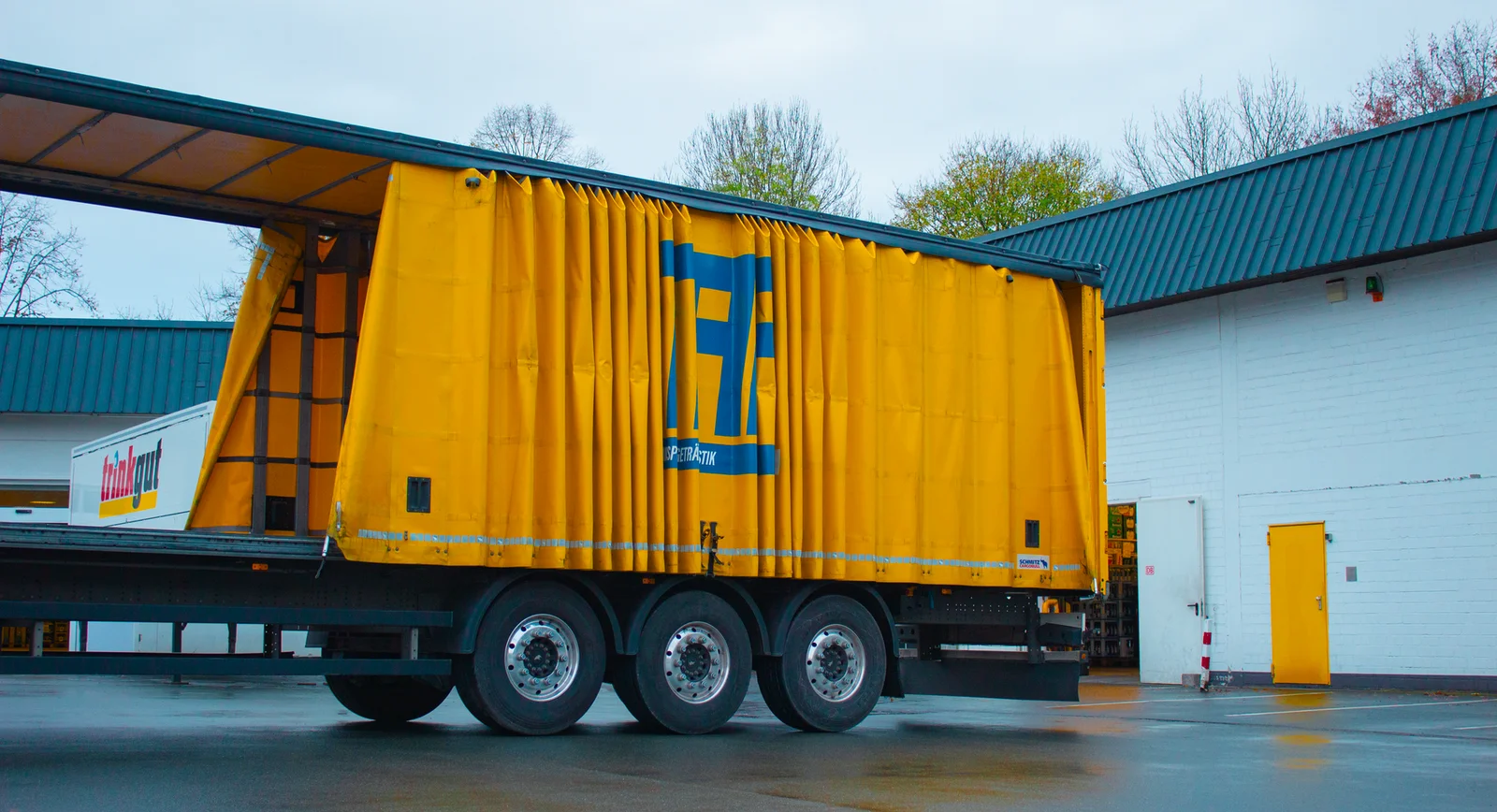
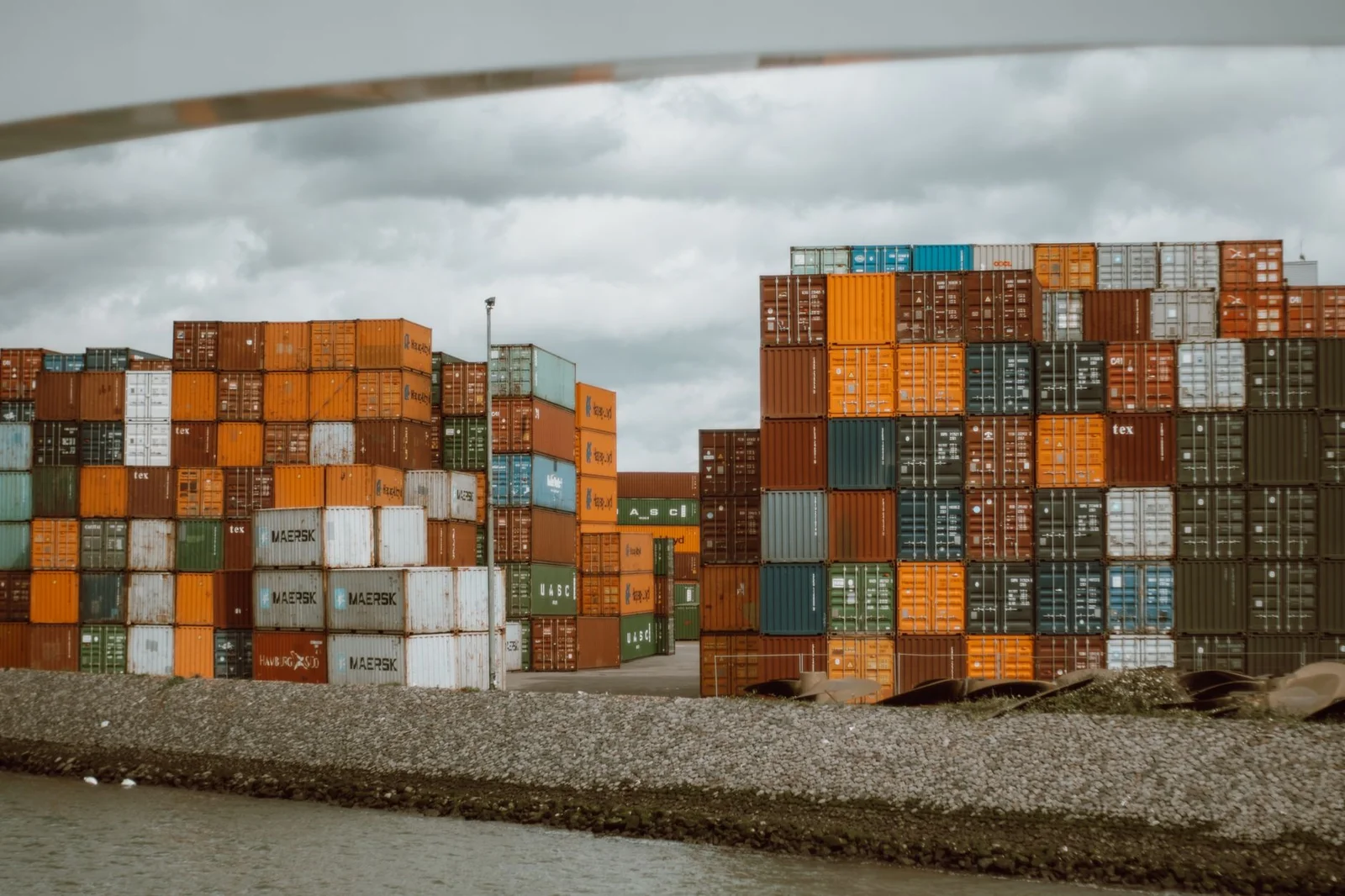 Turkey's location gives European importers access to several transport methods. Road transport can be practical for pallets, partial loads and full truckloads, while sea transport may suit heavier products and high-volume orders. Air freight remains more expensive but can be used for urgent samples, replacement parts, lightweight components or time-sensitive production requirements.
Some orders can combine road, rail and sea services depending on the supplier, destination and logistics provider. Having multiple transport options can help purchasing teams balance speed and cost and provides alternatives when one route becomes congested or unsuitable.
5. Customs Union for Many Industrial Goods
The EU–Türkiye Customs Union has been in force since the end of 1995. Its scope includes many industrial products and is connected with Türkiye's alignment with EU policies in areas including product-related technical legislation. The Turkish Ministry of Trade's technical-regulations guidance provides official context for this framework.
For qualifying goods in free circulation, an A.TR movement certificate may be used under the Customs Union arrangements. However, the A.TR document confirms free-circulation status rather than proving the origin of the product.
Buyers should not interpret the Customs Union as meaning that every product can enter the EU without documentation, controls or additional costs. Treatment can depend on product classification, customs status, origin, technical regulations, trade-defence measures, certificates, import VAT and destination-country procedures. European buyers should confirm the applicable requirements with a qualified customs representative before ordering.
6. Broad Industrial Manufacturing Base
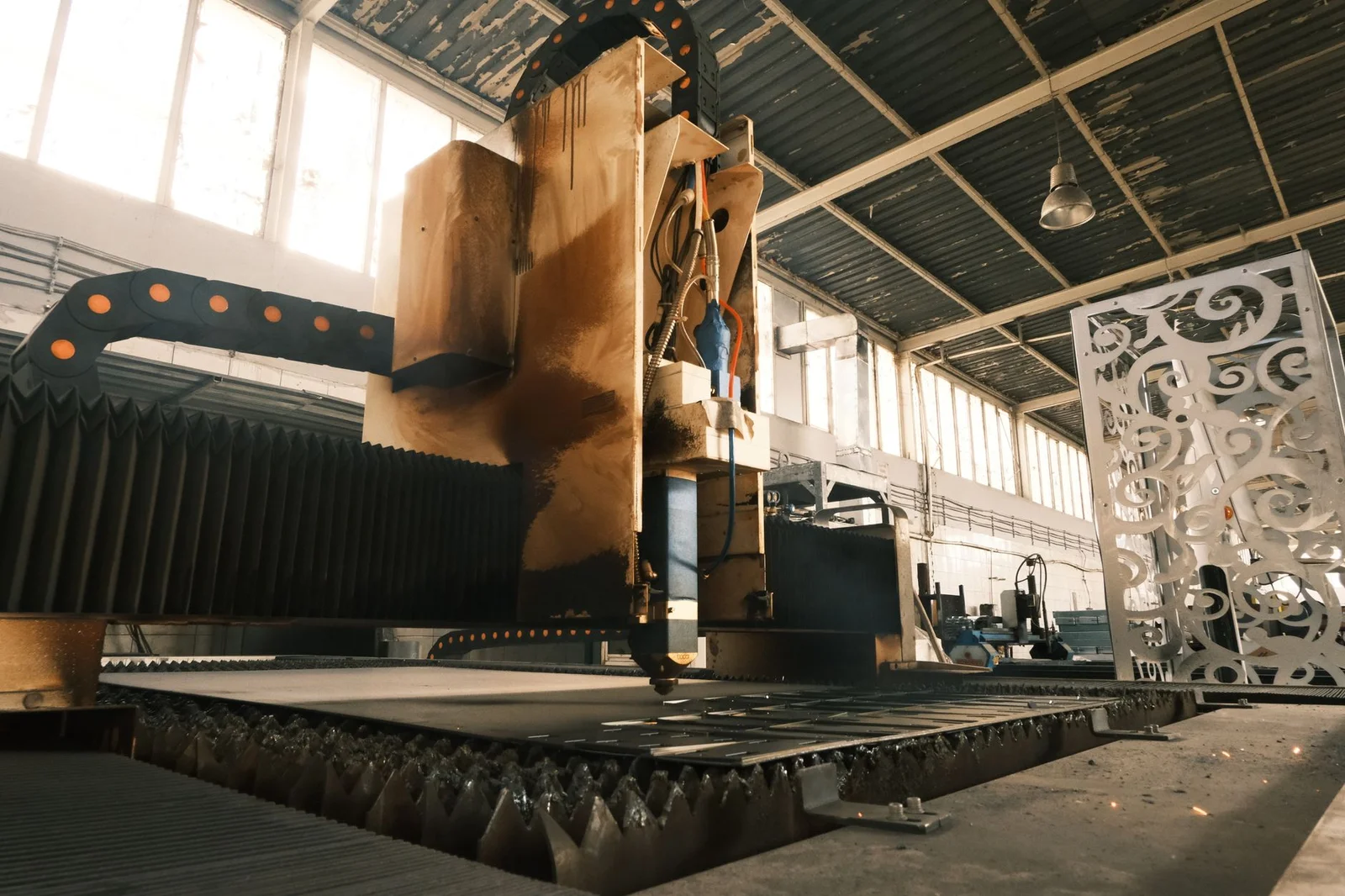 European buyers can search Turkey for suppliers across a wide range of industrial sectors, including machinery, CNC-machined components, metal fabrication, fasteners, valves, pumps, electrical equipment, automotive components, plastics, rubber products, construction materials, packaging machinery, industrial tools and personal protective equipment.
This manufacturing diversity can help buyers consolidate several purchasing requirements within the same sourcing country. Buyers can explore Vendors, browse Products, or review more focused guides such as Turkey Metalworking Machinery Suppliers and Turkish CNC Machine Suppliers.
Examples of Turkish industrial suppliers on FirmaPanel include:
 ADLER MAKİNA METAL İŞLEME SAN. VE TİC. A.Ş.
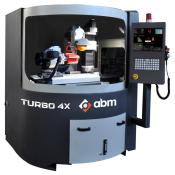
Selected industrial products listed by Turkish suppliers include:
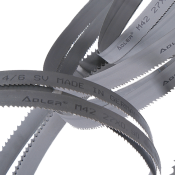 Metal Band Saw for Industrial Cutting
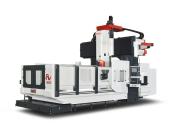 KAFO RV-3122 CNC Bridge-Type Machining Center
Buyers should still evaluate each supplier individually. A country's overall industrial capacity does not guarantee that a particular manufacturer can meet a specific technical requirement.
7. Custom Manufacturing Capabilities
Many industrial purchases are not standard catalogue orders. European buyers may require components manufactured from technical drawings, private-label products, custom dimensions, alternative materials, special coatings, modified packaging, prototypes or replacement components for existing machinery.
Turkish manufacturers can be especially relevant when the buyer needs a balance between industrial production capacity and order flexibility. Smaller and medium-sized manufacturers may be willing to discuss customisation, trial orders or specialised requirements that large-volume factories do not prioritise.
A buyer should ask whether the supplier can manufacture according to drawings, work with the required material grade, meet specified tolerances, produce samples, provide inspection reports, modify the product after testing and reserve capacity for repeat orders.
8. Easier Communication and Time-Zone Overlap
European buyers working with Turkish suppliers benefit from substantial working-hour overlap. Questions, drawing revisions, order updates and production issues can often be discussed during the same business day.
This can be valuable when a quotation needs clarification, a technical drawing is revised, a sample requires changes, a production problem occurs, shipping documents must be corrected or a delivery date needs to be confirmed.
Many export-oriented Turkish suppliers also employ staff who communicate in English, German or other European languages. Language capability differs between companies and should be assessed during initial discussions. Good communication should be measured by accuracy and technical completeness, not only response speed.
9. Easier Factory Visits and Supplier Audits
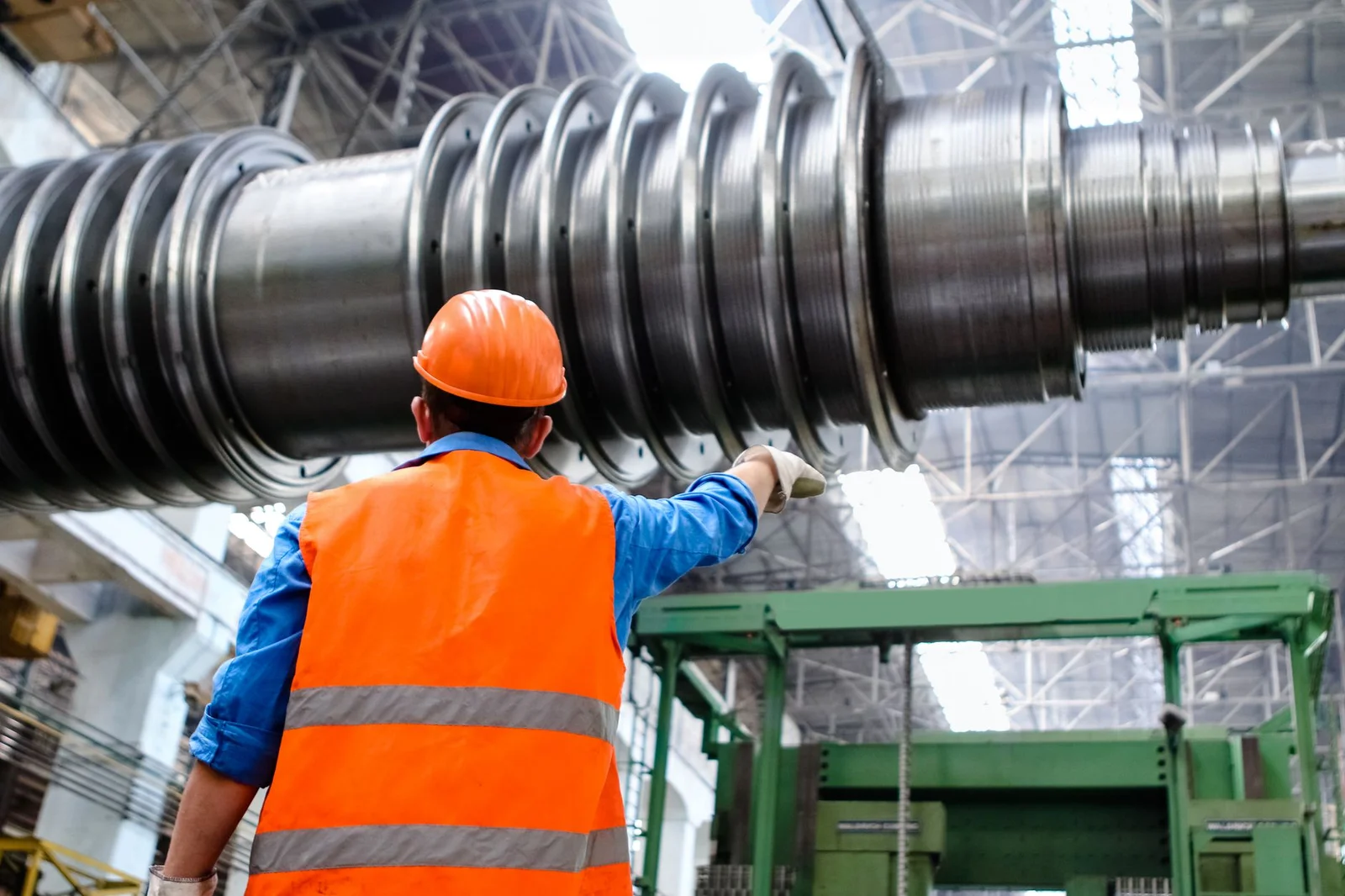 Supplier verification is an important part of industrial procurement. European buyers may need to inspect production equipment, quality-control procedures, warehousing, raw-material traceability, testing capabilities, packaging operations and actual production capacity.
Turkey's proximity can make factory visits more practical than visiting suppliers located much farther away. A purchasing manager or quality engineer may be able to visit several manufacturers during one sourcing trip. Where an in-person visit is not practical, buyers can begin with a video audit, third-party inspection or live production review.
10. Competitive Total Landed Cost
Turkey should not be selected solely because a quotation appears inexpensive. Its stronger proposition for European companies is the potential combination of competitive manufacturing and lower supply-chain friction.
Total landed cost can include unit price, tooling, packaging, inland transport, freight, customs processing, duties where applicable, import VAT, insurance, inspection, banking charges, inventory financing, warehouse costs, quality failures and emergency replacement shipments.
A supplier located farther away may offer a lower unit price but require larger orders, more safety stock and longer replenishment times. A Turkish supplier with a slightly higher factory price could still produce a lower overall purchasing cost when transport, inventory and risk are considered.
11. Greater Supply-Chain Diversification
Supplier diversification is another reason European companies consider sourcing from Turkey. A business that depends entirely on one country, port, shipping route or manufacturer may be vulnerable to disruption.
Adding qualified Turkish manufacturers can help create a regional supply strategy alongside existing European and global suppliers. For critical categories, a buyer might maintain one primary supplier, one approved Turkish alternative and one additional supplier under evaluation.
Turkey does not need to replace every existing supplier. It can be used to create an additional sourcing option for selected products, urgent orders, custom manufacturing or regional stock replenishment.
Turkey Compared With Long-Distance Sourcing
| Purchasing consideration | Sourcing from Turkey | Long-distance sourcing |
|---|---|---|
| Distance to Europe | Relatively close | Usually considerably farther |
| Road-freight availability | Often available | Generally unavailable |
| Working-hour overlap | Strong | May be limited |
| Factory visits | More practical for European teams | Usually require longer trips |
| Order replenishment | Potentially faster | Often planned farther in advance |
| Inventory requirements | May support smaller, more frequent orders | May require larger safety stock |
| Transport alternatives | Road, sea, air and multimodal | Frequently dependent on sea or air |
| Total landed cost | Can benefit from proximity and flexibility | Can be affected by longer logistics cycles |
This comparison is not universal. The best sourcing location depends on the product, quantity, supplier, destination and technical requirements.
How to Find Industrial Suppliers in Turkey
Once the buyer has identified Turkey as a potential sourcing market, the next challenge is finding appropriate manufacturers. Traditional supplier-discovery methods include search engines, trade fairs, industry associations, commercial directories, referrals, sourcing agents and B2B marketplaces.
FirmaPanel helps international buyers search for Vendors, browse Products and publish purchasing requirements through RFQs.
Rather than contacting manufacturers one by one, buyers can start one RFQ, receive quotations from interested suppliers, compare the offers and choose a suitable company.
What to Include in an Industrial RFQ
A detailed RFQ produces more relevant quotations. European buyers should include:
- Precise product name
- Required quantity
- Material specifications
- Dimensions and tolerances
- Technical drawings
- Relevant standards
- Required certificates
- Testing requirements
- Packaging instructions
- Delivery destination
- Requested delivery date
- Preferred Incoterm
- Sample requirements
- Expected repeat-order frequency
Instead of writing “we need metal parts,” explain the material grade, manufacturing process, dimensions, tolerance, surface treatment and required quantity. Suppliers can then determine whether they have the right equipment and provide a more reliable quotation.
Buyer Checklist for Evaluating Turkish Manufacturers
- Confirm the legal company name, address, tax information and bank details.
- Determine whether the business is the manufacturer, an authorised distributor or a trading company.
- Review machinery, production methods, tolerances, engineering support and quality control.
- Check that certificates apply to the quoted company, facility and product.
- Ask about previous shipments of the same type of product to European customers.
- Confirm sample lead time and production time for the complete order.
- Ask which inspections are performed during production and before shipment.
- Request product images, factory videos, sample reports or examples of similar orders.
- Compare total landed cost rather than unit price alone.
- Confirm payment terms and any tooling or setup charges before production.
Frequently Asked Questions
Why is Turkey attractive to European industrial buyers?
Turkey combines proximity to Europe, extensive manufacturing activity, road and sea freight options, strong working-hour overlap and established trade links with the European Union.
Does the EU–Türkiye Customs Union cover every product?
No. Its treatment depends on the product and customs status, and separate rules or trade measures may apply. Buyers should confirm product-specific requirements before ordering.
Can European buyers order custom industrial components from Turkey?
Yes, suitable Turkish manufacturers may support technical drawings, prototypes, special materials, buyer-specific packaging and repeat production. Capability must be checked supplier by supplier.
How should buyers compare Turkish supplier quotations?
Compare specifications, production lead time, quality controls, certificates, Incoterms, payment terms and total landed cost, not only the displayed unit price.
How can a buyer request quotations on FirmaPanel?
Buyers can publish a detailed requirement in the RFQs, receive supplier responses and compare technical and commercial offers.
Begin Sourcing from Turkey With FirmaPanel
Turkey can offer European buyers a valuable combination of proximity, manufacturing diversity, flexible transport, working-hour overlap and established commercial integration with the European Union. The strongest benefit is not necessarily the lowest advertised unit price. It is the possibility of building a shorter and more responsive supply chain while still accessing an extensive international manufacturing market.
Use FirmaPanel to discover Vendors, browse Products and RFQs describing the industrial product you need.