Wholesale Home Décor Suppliers: Source Wall Art, Vases, Mirrors and Home Accessories

Home décor looks like a simple buying category until the first serious order is placed. A retailer may be choosing mirrors, ceramic vases, framed prints and cushions for the same collection, yet each product brings a different question about finish, colour consistency, packaging, freight and replacement stock. The best-looking sample is not always the safest item to import, and the lowest unit price can become expensive when cartons are oversized or breakage is high.
This guide is for home and gift retailers, online sellers, furniture stores, interior-design businesses, hotel buyers and distributors sourcing décor for resale or projects. It explains how to build a coherent range, compare suppliers and request quotations that can be evaluated properly.
Start with a collection, not a random catalogue
Buyers often lose discipline when a supplier has hundreds of attractive items. The result is a first order made up of unrelated products that are difficult to display together and even harder to reorder. A better approach is to define the collection before asking for prices.
For example, a warm natural collection might combine oak shelving, muted wall art, stoneware vases and neutral cushion covers. A brighter gift-led collection could use decorative glass, coloured ceramics and smaller accessories suited to individual packaging. The supplier does not need to manufacture every item, but the final assortment should have a clear customer and price position.
Useful details to decide at the start include the intended retail price, preferred materials, colour palette, target room, maximum packed dimensions and whether products will be sold individually or as coordinated groups. These decisions make quotation comparison much more reliable.
Selected home décor suppliers on FirmaPanel
The following supplier profiles represent different parts of the category, from Scandinavian furniture and wall art to Italian textiles, decorative accessories and handmade glass. They are useful starting points when comparing design direction, materials and product specialization.
 Andersen Furniture
 Malerifabrikken A/S
 Ningbo Looking Imp & Exp Co., Ltd.
 MASSIMO LUNARDON SRL
 Castiglioni S.r.l.
 Manufacturas Arpe SL
Wall art should be evaluated as a product, not only as an image

When buying wall art wholesale, the artwork itself is only one part of the specification. Buyers should ask how the image is produced, what substrate is used, whether the inks resist fading, how the frame is joined and how the hanging hardware is fitted. A print that looks good online can still create returns if the frame twists, corners open or the hanging points are inconsistent.
Size planning also matters. A supplier may offer the same motif in several dimensions, but those dimensions do not always share the same proportions. Ask for exact external frame measurements, packed measurements and net weight for every size. For gallery-wall collections, confirm whether frame colours and profiles remain consistent across the full range.
Acoustic art adds another layer of buying criteria because it combines decoration with room performance. Ask for the panel material, thickness, frame construction, recycled-content documentation where relevant, and any available acoustic test information. These products may suit offices, restaurants, hotels and homes where buyers want to reduce visual and sound clutter at the same time.
 Acoustic Art Panels
 Nordic Art Collection
 Framed Art Print
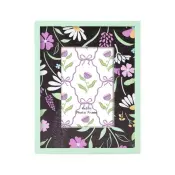 Decorative Photo Frame
Vases and decorative glass need precise material descriptions

The word “ceramic” can cover earthenware, stoneware, porcelain and dolomite-based decorative pieces. Those materials behave differently during production and shipping. Request the body material, firing method, glaze type, water resistance and intended use. A vase sold for dried flowers does not necessarily need the same internal finish as one intended to hold water.
Colour variation should be discussed before an order is confirmed. Reactive glazes, hand finishing and blown glass naturally create variation, which can be desirable in an artisan collection. Retail buyers still need an agreed tolerance. Ask the supplier to show the acceptable range with several production samples rather than one carefully selected piece.
Handmade glass products deserve individual attention. Confirm whether dimensions are approximate, how pieces are separated inside the carton, and whether prominent decorative elements are protected against side impact. For statement products, it may be sensible to order spare units or agree a replacement policy for transit damage.
 Decorative Ceramic Vase
 Cesto 10 Pesci Centerpiece
 Flamingo Splash Centerpiece
Mirrors and shelving combine decoration with installation risk
Mirrors are frequently purchased for their shape and frame finish, but the backing and fixing system are equally important. Buyers should request glass thickness, edge treatment, backing material, mounting orientation and hardware details. If a mirror can be hung both vertically and horizontally, verify that both fixing positions have been tested.
For metal-framed mirrors, inspect weld quality, coating consistency and protection against corrosion. For wood frames, ask about timber species, moisture control and surface finish. Destination-market requirements may also affect the type of mirror glass or safety backing needed, especially for hospitality and commercial projects.
Wall shelves require load guidance and installation instructions. Decorative shelves may be designed for light objects, while retail customers may assume they can hold books or kitchenware. Clear maximum-load information reduces complaints. Packaging must also protect long edges and corners, which are often damaged before the carton shows obvious signs of impact.
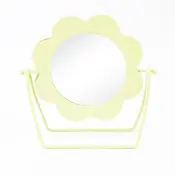 Decorative Metal Mirror
 Essence Solid Wall Shelf
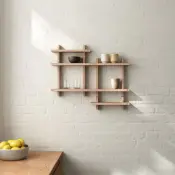 Treat Oak Wall Shelf
Home textiles are easier to ship, but harder to match consistently

Cushion covers and table linen generally travel more safely than ceramics or mirrors, but colour and fabric specifications require care. A product described only as “polyester” or “cotton blend” is not sufficiently defined for repeat wholesale orders. Ask for fibre composition, fabric weight, weave or construction, colourfastness information, shrinkage allowance and washing instructions.
For cushions, confirm whether the quotation is for covers only or includes inserts. Check zipper quality, seam allowance, print alignment and the size tolerance after sewing. For tablecloths, request finished dimensions, edge treatment and the expected shrinkage after washing. Hospitality buyers should also ask about stain resistance, flame-retardant options and replacement availability.
Private-label textile orders can often be developed with custom colours, woven labels or retail packaging, but customisation may increase the minimum order. It is useful to separate the product MOQ from the colour MOQ. A supplier may accept a modest total quantity while requiring a larger number for each dyed or printed colour.
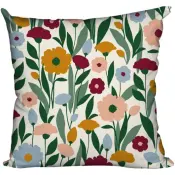 Castiglioni Cushion Covers
 Ready Made Tablecloth
Private label does not always mean a completely new product
Many décor buyers do not need a product designed from zero. A practical private-label programme may use an existing shape with a new glaze, frame colour, textile pattern, label or carton. This reduces development cost and usually gives the supplier a more predictable production process.
Ask which parts can be changed without new tooling. For ceramics, this might include glaze, decal and gift-box design. For mirrors and frames, it may include coating colour, size or backing. For textiles, fabric colour and branding are often easier to modify than construction. Obtain separate quotations for standard products and customised versions so the commercial value of each change is visible.
Ownership of artwork and patterns should be put in writing. When supplying your own design, clarify whether the supplier may show it in catalogues or sell it to other customers. Keep approved artwork files, colour references and packaging drawings with the purchase order.
Packaging is part of the product cost

Home décor orders can look profitable on a unit-price spreadsheet and fail after freight and damage are included. Ask for individual carton dimensions, master-carton dimensions, gross weight, units per carton and pallet quantities before comparing offers. Dimensional weight can be particularly important for mirrors, lamps, framed art and assembled decorative pieces.
Fragile products should have packaging suited to their actual weak points. A ceramic vase may need a formed insert that prevents movement, while a framed print needs corner protection and separation from the carton face. Mirrors may require edge protection, a protective film and clear handling marks. For mixed-container orders, confirm whether heavier cartons will be kept away from fragile goods during loading.
Request packaging photographs and, for larger orders, consider a drop-test or transport-test sample. It is also worth agreeing what happens when products arrive damaged: credit, replacement units in the next shipment, or spare pieces included with the original order. A small allowance of replacement stock can be more practical than processing many individual claims.
Order samples as a small test collection
A sample should answer a commercial question. Instead of requesting one random item from each supplier, select a compact group that represents the likely order: perhaps one shelf, two framed products, two ceramic pieces and a textile item. Review how they look together, how much display space they require and whether the packaging can be handled by your warehouse or fulfilment partner.
Check labels, barcodes, care instructions and country-of-origin marking at the sample stage. Photograph the approved samples and record key measurements. If possible, retain one signed or sealed reference sample for production comparison.
Compare quotations on landed and saleable cost
The cheapest factory price is not necessarily the best buying decision. A useful comparison includes product price, customisation, packaging, sample cost, inspection, inland transport, international freight, duty, expected breakage and the number of units likely to remain saleable after arrival.
Also compare operational factors: lead time, mixed-item flexibility, reorder quantities and the supplier’s ability to reproduce a colour or finish six months later. Home décor is trend-sensitive, but reliable replenishment is still valuable for products that perform well.
Information to include in a home décor RFQ
A clear request for quotation should state:
- Product types, approximate sizes and preferred materials
- Target quantity for each item and estimated annual demand
- Required colours, finishes and acceptable variation
- Private-label, barcode and retail-packaging requirements
- Destination country and delivery location
- Required certificates, testing or material declarations
- Sample requirements and expected order date
- Preferred Incoterm and whether mixed-item shipments are needed
Include reference images where useful, but identify which features are mandatory and which are only design inspiration. Suppliers can quote more accurately when they know where flexibility is allowed.
Buyers sourcing products for dining and entertaining may also find the FirmaPanel guide to Wholesale Tableware Suppliers: Source Cutlery, Plates, Bowls and Drinkware useful when building a broader home collection.
Request quotations from home décor suppliers
FirmaPanel allows buyers to describe the products they need and receive quotations from relevant suppliers. Prepare your target quantities, material preferences, packaging requirements and destination details, then Post RFQ. A detailed RFQ makes it easier to compare offers on quality, packaging and landed cost rather than unit price alone.