How to Export Home Décor and Tableware Products Successfully
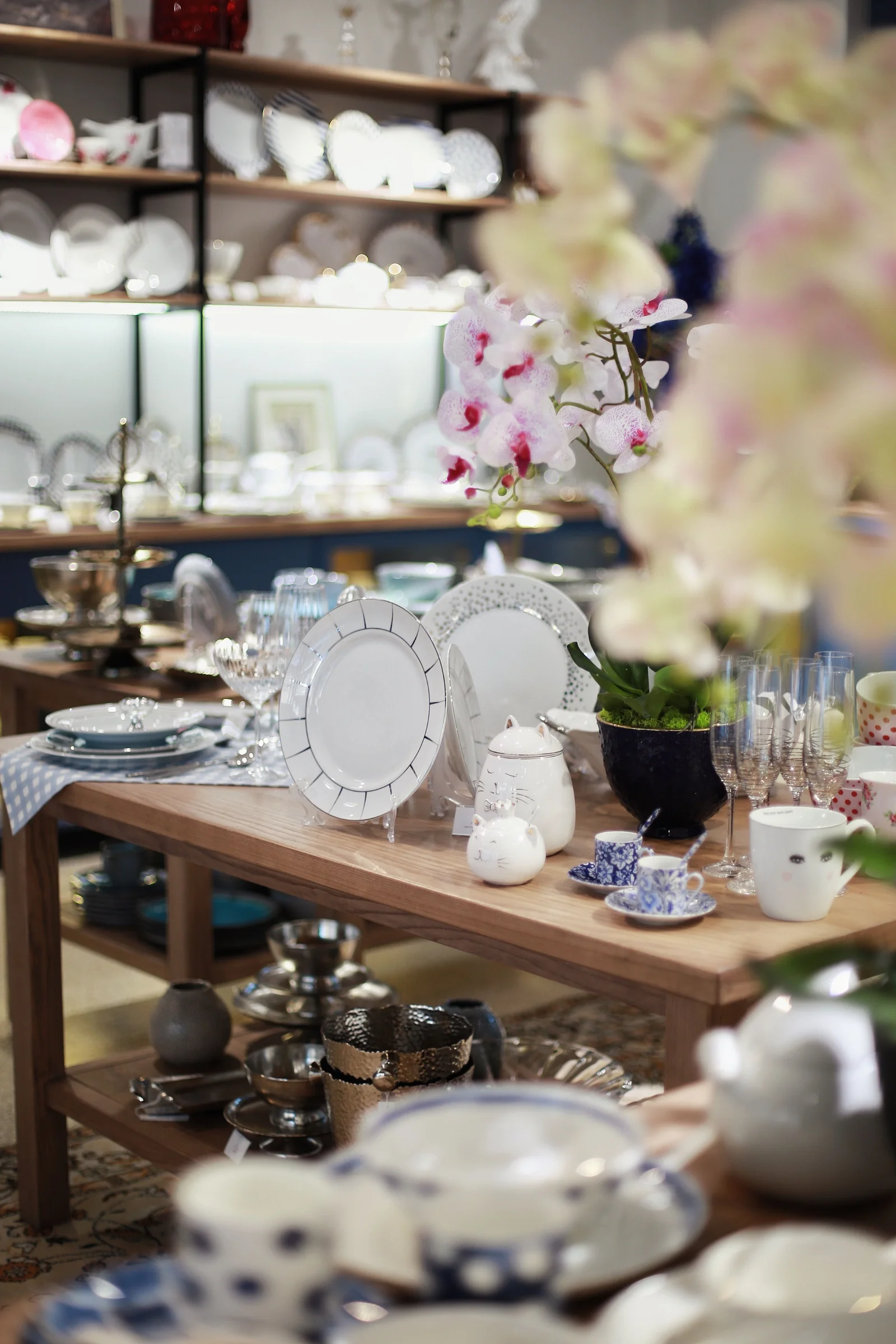 Home décor and tableware are visual products, but successful export requires more than attractive photography. International buyers evaluate whether the supplier can build a coherent range, maintain colour and finish consistency, meet product requirements, protect fragile goods and deliver repeat orders with stable packaging and lead times.
The exporter should make it easy for a distributor, retailer, hotel supplier or online seller to understand the collection, calculate landed cost and select a commercially workable assortment.
Choose the target buyer before building the range
A collection for a premium department store will differ from one for a hospitality distributor, discount retailer, interior-design project or online marketplace.
Define:
- Target retail or project price
- Buyer type and sales channel
- Expected order size
- Core and seasonal products
- Required packaging
- Private-label expectations
- Target countries
A broad factory catalog may contain hundreds of items, but the export presentation should show a focused range suitable for the buyer’s channel.
Build a coherent collection
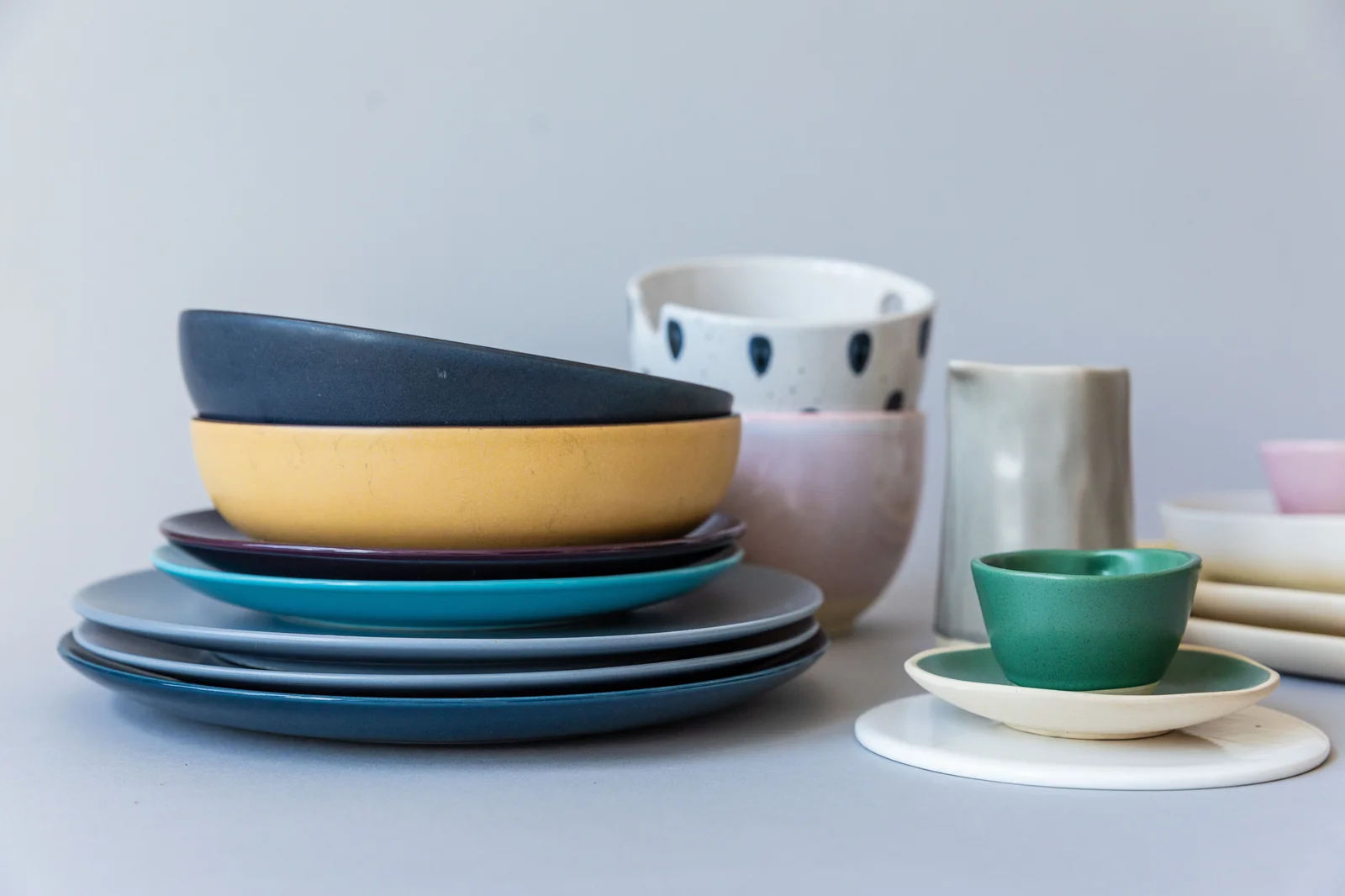
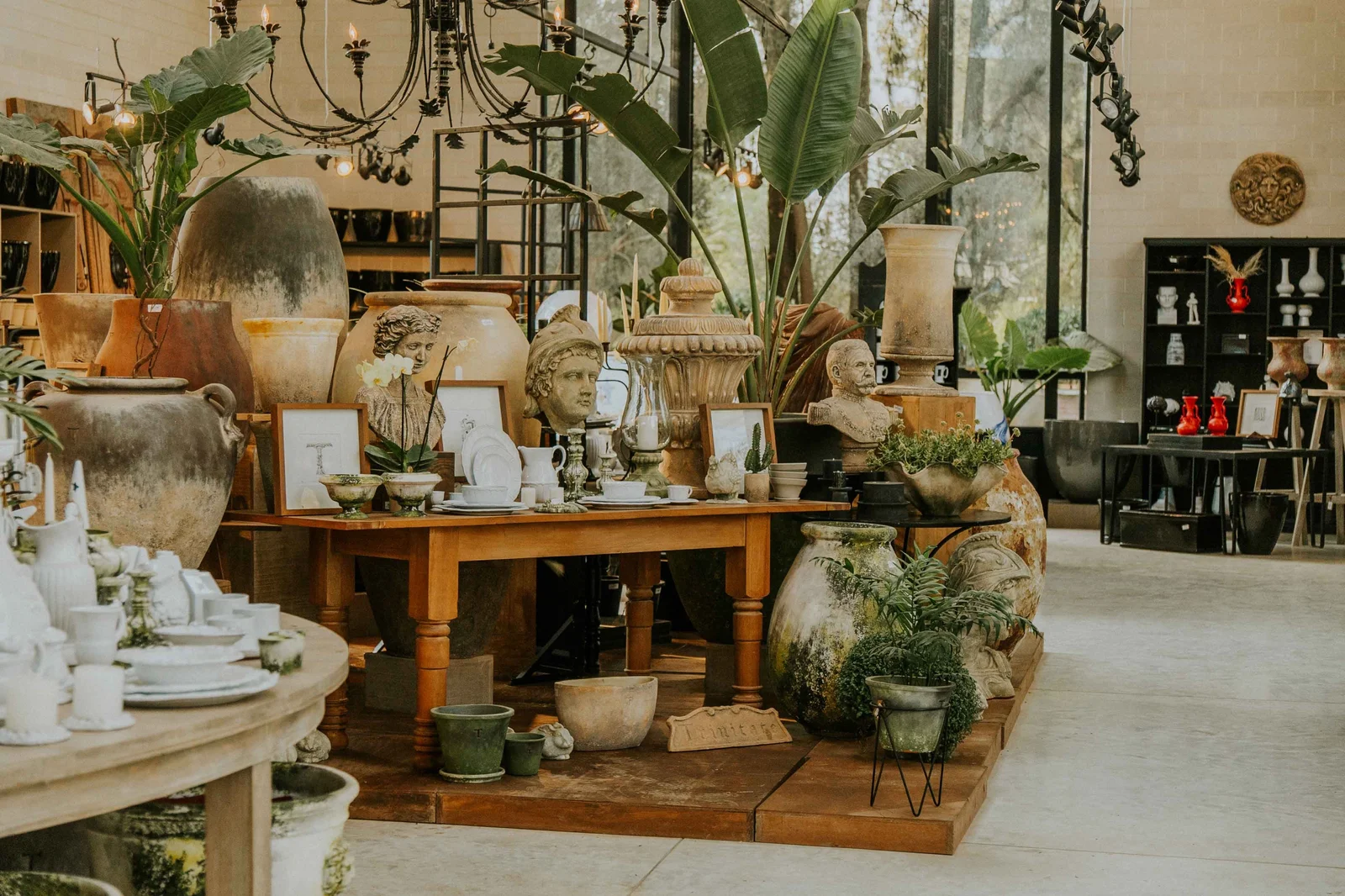 Buyers often purchase groups rather than isolated products. Coordinate materials, colours, finishes, dimensions and price points so products can be merchandised together.
A tableware range might combine plates, bowls, mugs, serving pieces and cutlery. A home décor range might combine vases, mirrors, shelving, wall art and textiles.
Examples of coordinated catalog presentation include the COSTA NOVA ceramic range
 COSTA NOVA Vila Ceramic Tableware Collection
and Amefa cutlery and kitchen products
COSTA NOVA Vila Ceramic Tableware Collection
and Amefa cutlery and kitchen products
 Amefa Cutlery and Kitchen Products
.
Amefa Cutlery and Kitchen Products
.
Use a collection matrix:
| Role | Examples |
|---|---|
| Core products | Reliable, repeatable items that remain available |
| Entry products | Accessible price points that introduce the range |
| Statement products | Distinctive designs used for visual impact |
| Add-on products | Smaller items that increase order value |
| Seasonal products | Limited colours, motifs or gift collections |
Reduce unnecessary SKU complexity
Too many colours, sizes and shapes can make MOQ, stock and quality control difficult. Identify the combinations that buyers are most likely to order and keep special variants available only above a defined quantity.
For each SKU, maintain:
- Product code
- Material and finish
- Dimensions and weight
- Colour reference
- Units per carton
- MOQ
- Lead time
- Barcode or labeling data
- Product and packaging photographs
Define material and quality specifications
Visual descriptions such as “premium ceramic” or “high-quality metal” are not sufficient for repeat production. Record measurable specifications.
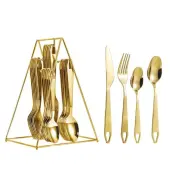
For ceramic products, this may include body composition, firing process, glaze, dimensions, weight tolerance, surface expectations and food-contact use. For stainless cutlery, specify grade, thickness, polish and finishing. A flatware offer such as
 16/24pcs 18/0 Stainless Steel Flatware Set
should be quoted with the exact material and set composition rather than only the number of pieces.
16/24pcs 18/0 Stainless Steel Flatware Set
should be quoted with the exact material and set composition rather than only the number of pieces.
For home décor, define metal finish, mirror thickness, wood species, textile composition, print method and acceptable handmade variation.
Confirm destination requirements
Tableware intended for food contact may be subject to material, migration, labeling or testing requirements in the target market. Decorative electrical products, textiles, candles and children’s items can have additional rules.
The exporter and buyer should confirm:
- Intended use
- Destination country
- Applicable standards and tests
- Label language
- Care and warning instructions
- Packaging and environmental obligations
- Who holds or pays for required certification
A product sold as decoration should not be represented as food-safe or functional unless it has been designed and evaluated for that use.
Create useful sample programs
International buyers need to inspect colour, finish, scale, weight and packaging. Offer structured sample options:
- Single product sample
- Material or colour swatch
- Collection sample set
- Packaging sample
- Pre-production sample
- Showroom or exhibition set
State sample price, preparation time, courier cost and whether the fee is credited to a production order.
Show products in context and in detail
Use clean product images, close-ups, dimensions and lifestyle photographs. Buyers need both presentation and evidence.
For example, wall shelving such as
 Essence Solid Wall Shelf
should show mounting details, dimensions and load assumptions, while a decorative metal mirror such as
Essence Solid Wall Shelf
should show mounting details, dimensions and load assumptions, while a decorative metal mirror such as
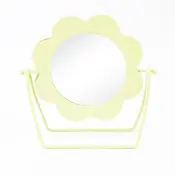 Decorative Metal Mirror
needs size, material, finish and packing information.
Decorative Metal Mirror
needs size, material, finish and packing information.
Wall-art products such as
 Acoustic Art Panels
also benefit from installation, acoustic or functional information where applicable.
Acoustic Art Panels
also benefit from installation, acoustic or functional information where applicable.
Offer private label in controlled levels
Private-label options can include:
- Neutral product with buyer label
- Logo on product
- Custom colour or finish
- Printed retail box
- Exclusive collection name
- New shape or mold
Each level should have its own MOQ, cost and approval process. Do not promise full customization at the standard-product MOQ.
Use the OEM, ODM and Private Label Export Explained for Manufacturers to define ownership, tooling and artwork responsibilities.
Use mixed orders strategically
Home and living buyers may prefer mixed collections rather than a full quantity of one SKU. A practical policy could allow one master carton per SKU, a minimum total order value and a maximum number of SKUs in a trial shipment.
Mixed orders help buyers test demand but create picking, packing and documentation work. Include those costs in the commercial model.
Set MOQ by production and packaging reality
MOQ may be driven by glaze or colour batches, fabric rolls, metal finishing, mold setup, printed packaging or carton quantities. State separate minimums for standard and customized products.
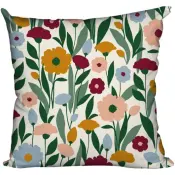
A supplier offering cushion covers such as
 Castiglioni Cushion Covers
may have different minimums for stock fabric, custom print and buyer-specific packaging.
Castiglioni Cushion Covers
may have different minimums for stock fabric, custom print and buyer-specific packaging.
See How to Set Minimum Order Quantity for Export Customers for trial-order and quantity-break methods.
Engineer packaging for breakage prevention
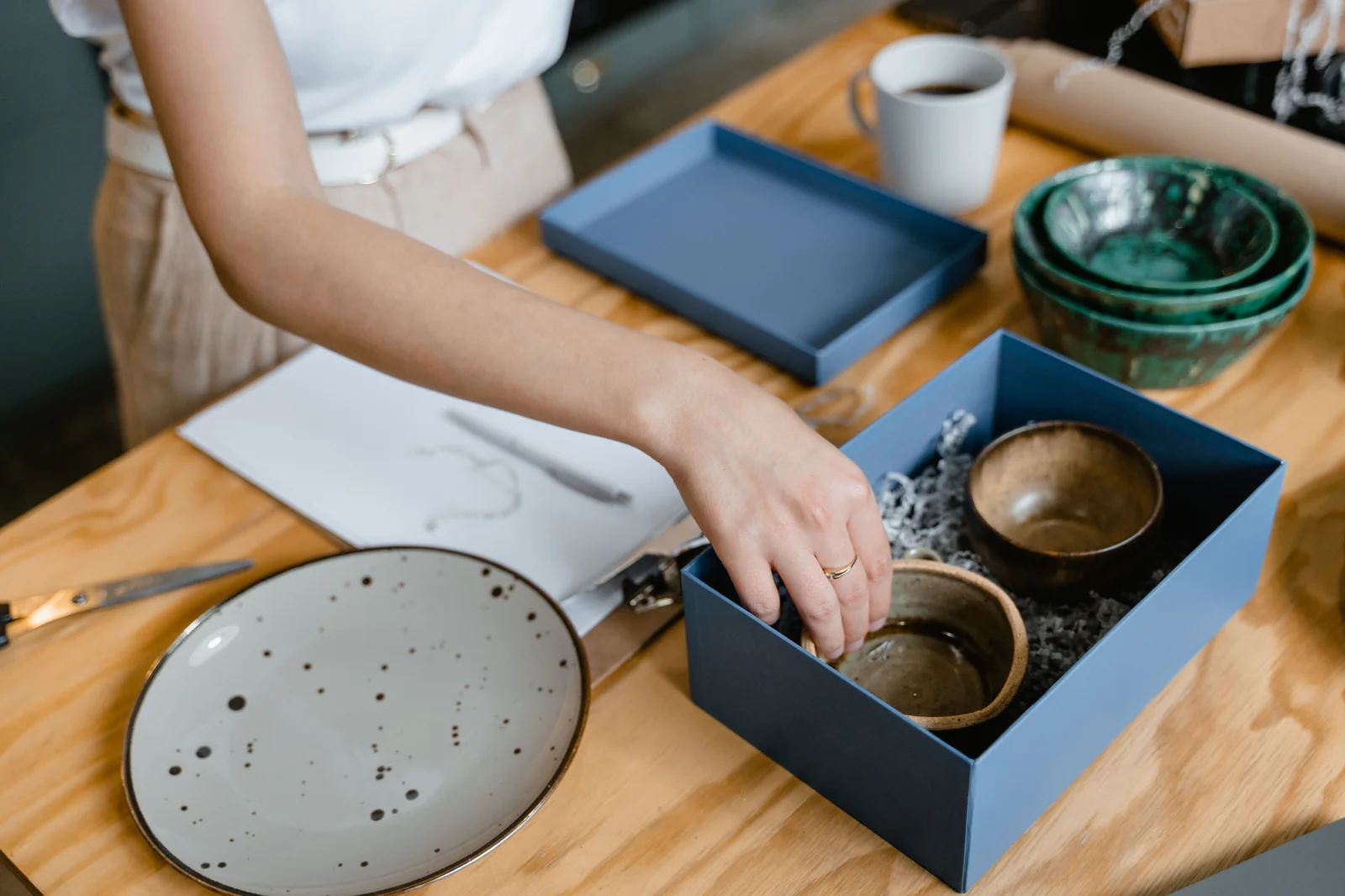 Fragile décor and tableware should be protected against drops, vibration, compression and product-to-product contact. Retail packaging alone is rarely enough for export distribution.
Depending on the item, use:
- Individual wraps or bags
- Dividers and cells
- Molded pulp, corrugated or foam inserts
- Reinforced master cartons
- Edge and corner protection
- Pallet top sheets and corner boards
- Moisture control
- Crates for high-value or oversized goods
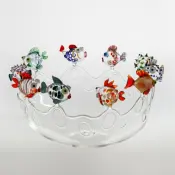
A handmade glass centerpiece such as
 Cesto 10 Pesci Centerpiece
requires a different packaging test from stackable plates or textile décor.
Cesto 10 Pesci Centerpiece
requires a different packaging test from stackable plates or textile décor.
Use the full Export Packaging Guide: Cartons, Pallets, Containers and Damage Prevention to calculate cartons, pallets and loading controls.
Calculate freight using volume as well as weight
Many décor products are light but bulky. Freight per unit can become a major part of landed cost. Record individual box, master-carton and pallet dimensions accurately.
Compare:
- Loose cartons versus pallets
- Nested or stackable designs
- Disassembled versus assembled products
- Partial-container consolidation
- Full-container loading
- Air courier for samples only
Do not reduce packaging volume in a way that materially increases breakage.
Prepare quotations buyers can compare
 The offer should include product codes, quantity, unit price, MOQ, collection terms, packaging data, lead time, payment terms and the Incoterm with a named place.
For mixed collections, provide both line totals and overall shipment estimates. Separate tooling, artwork, printing plates, testing and samples from repeat unit prices.
Continue with How to Prepare an Export Quotation for International Buyers and How to Calculate Export Prices: Costs, Margins, Freight and Incoterms.
Choose delivery terms that match capability
EXW can place too much origin responsibility on an inexperienced buyer, while DDP can expose the seller to import obligations it cannot legally or practically manage. FCA, FOB, CIF or DAP may be appropriate depending on transport mode and buyer preference.
Use precise named places and review Which Incoterm Should an Exporter Offer and How Should It Be Priced?.
Prepare consistent shipment documents
Product descriptions, quantities, carton counts, weights, origin and values should agree across the commercial invoice, packing list and transport documents. Include product-specific certificates where required.
For mixed collections, the packing list should make it easy to identify the contents of every carton or pallet. Use the Export Documentation Checklist: Invoices, Packing Lists and Shipping Documents.
Select markets where the range fits
A Scandinavian-style collection, hospitality tableware line, handmade decorative glass range and value-oriented retail set may succeed in different countries and channels.
Evaluate design preference, retail price, import demand, freight, regulation and distributor structure. Use How to Choose the Best Export Markets for Your Products before investing in localized packaging or certification.
Use supplier profiles as proof of range, not a substitute for verification
FirmaPanel includes home and living suppliers such as
 Andersen Furniture
,
Andersen Furniture
,
 Apeldoornse Messenfabriek Amefa B.V.
,
Apeldoornse Messenfabriek Amefa B.V.
,
 COSTA NOVA
,
COSTA NOVA
,
 Castiglioni S.r.l.
,
Castiglioni S.r.l.
,
 Ningbo Looking Imp & Exp Co., Ltd.
,
Ningbo Looking Imp & Exp Co., Ltd.
,
 Malerifabrikken A/S
and
Malerifabrikken A/S
and
 MASSIMO LUNARDON SRL
. Their profiles can help buyers explore possible ranges, but exporters and buyers should confirm specifications, current capacity, customization and compliance directly.
MASSIMO LUNARDON SRL
. Their profiles can help buyers explore possible ranges, but exporters and buyers should confirm specifications, current capacity, customization and compliance directly.
Exporter checklist for décor and tableware
- Define the buyer type and target price before building the collection.
- Create coordinated core, statement and seasonal products.
- Control SKU, colour and finish complexity.
- Document measurable material and quality specifications.
- Confirm destination requirements and intended use.
- Offer structured samples and private-label levels.
- Set MOQ according to production and packaging.
- Engineer and test fragile-product packaging.
- Calculate freight from accurate dimensions and weights.
- Provide a complete quotation and document pack.
Export success in home décor and tableware comes from combining design with repeatable operations. Buyers return when the collection sells well, replacement orders match the approved samples and products arrive intact with the expected labels and packaging.
Buyers researching these categories can also review the sourcing guides for Wholesale Home Décor Suppliers: Source Wall Art, Vases, Mirrors and Home Accessories and Wholesale Tableware Suppliers: Source Cutlery, Plates, Bowls and Drinkware.