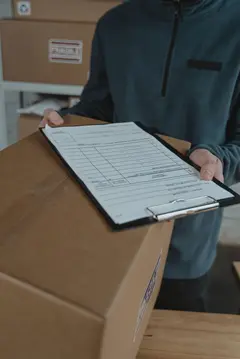
Export Documentation Checklist: Invoices, Packing Lists and Shipping Documents
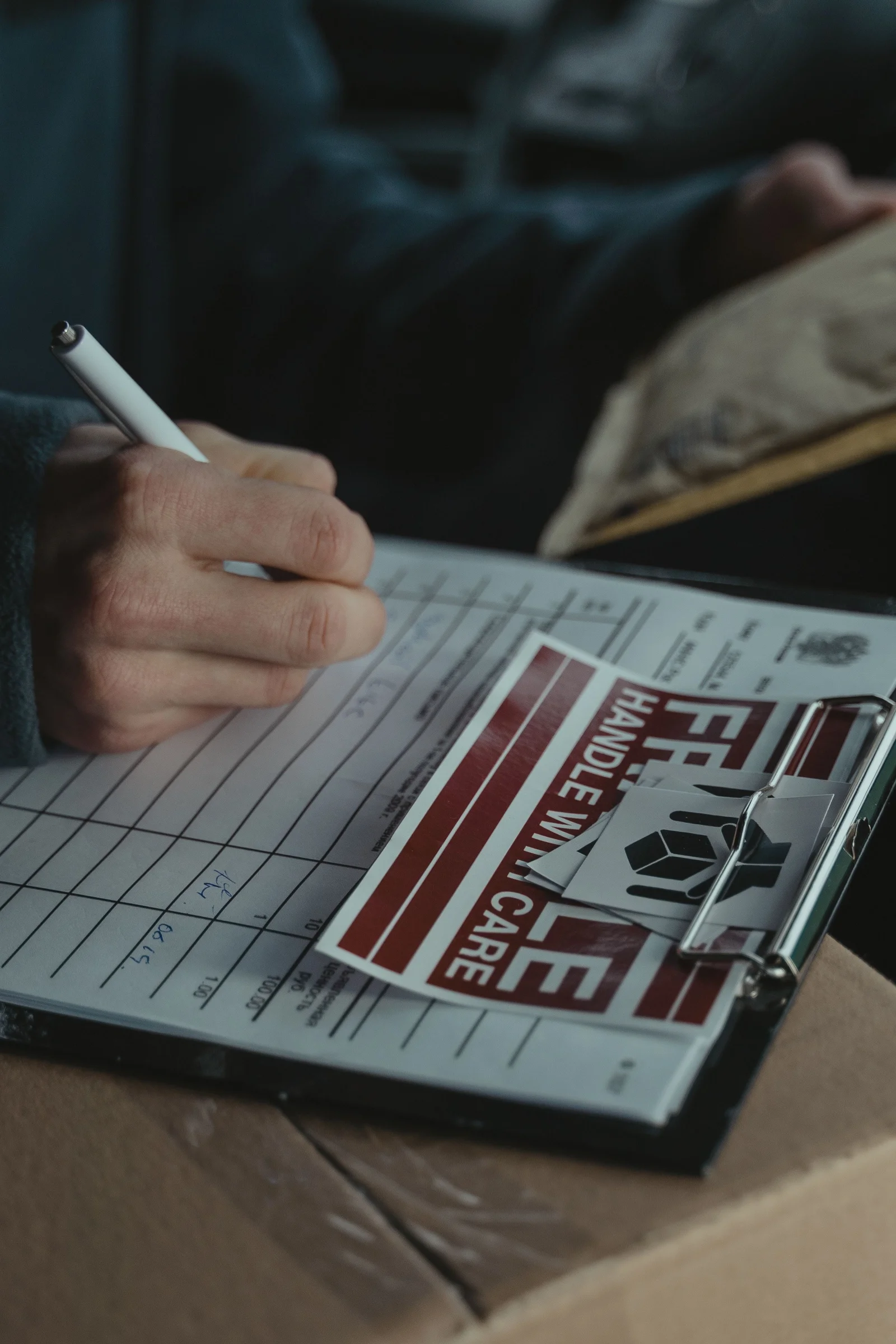 Export documents connect the commercial agreement to customs clearance, transport, payment and delivery. A shipment can be physically ready and still miss its sailing or remain blocked at destination because a description, weight, origin statement or consignee detail is inconsistent.
There is no single document pack that works for every export. Requirements vary by product, origin, destination, transport mode, payment method and trade agreement. The exporter should confirm the final list with the buyer, freight forwarder, customs representative, bank and relevant authorities before dispatch.
1. Buyer inquiry and purchase order
The document trail begins before production. Keep the buyer’s RFQ, accepted quotation, purchase order, technical specifications, approved drawings and packaging instructions together. These records establish what was ordered and help prevent later differences between sales, production and shipping teams.
Compare the purchase order with the accepted offer before acknowledging it. Check product codes, quantities, prices, currency, Incoterm, named place, payment conditions, shipment deadline and requested documents.
2. Proforma invoice
A proforma invoice is commonly used before shipment to summarize the proposed transaction. Buyers may use it to arrange payment, internal approval, an import permit or foreign-currency allocation.
Typical fields include:
- Seller and buyer details
- Proforma invoice number and date
- Product descriptions and quantities
- Unit prices and total value
- Currency
- Incoterm and named place
- Payment terms
- Estimated production and shipment timing
- Country of origin where known
- Validity period
The proforma invoice is not a substitute for the final commercial invoice. If quantities, freight or other conditions change, update the final documents accordingly.
3. Commercial invoice
 The commercial invoice is one of the central documents in an international sale. It identifies the goods, seller, buyer and transaction value and is commonly used during customs valuation and clearance.
A complete commercial invoice generally includes:
- Exporter and importer names and addresses
- Invoice number and date
- Purchase-order or contract reference
- Accurate product description
- Quantity and unit of measure
- Unit price, line total and invoice total
- Currency
- Incoterm and named place
- Country of origin
- Transport and insurance charges where separately required
- Authorized signature or declaration where applicable
Do not use vague descriptions such as “parts,” “samples” or “accessories.” The description should be detailed enough for the buyer, carrier and customs officials to identify the goods.
4. Export packing list
 The packing list explains how the shipment is physically arranged. It should agree with the commercial invoice while providing more detail about cartons, crates, drums, pallets or other packages.
Common packing-list fields include:
- Seller, buyer and consignee
- Invoice and purchase-order references
- Package numbers and shipping marks
- Contents of each package
- Quantity per package
- Net and gross weight
- Package dimensions
- Total packages, weight and volume
The packing list is used by logistics providers and may be used during cargo inspection. It is not a replacement for the commercial invoice.
5. Transport document
The transport document depends on the shipment mode and carrier arrangement. Examples include an ocean bill of lading, sea waybill, air waybill, road consignment note or multimodal transport document.
Check the shipper, consignee, notify party, ports or airports, package count, cargo description, weight and freight terms. For documentary payment, the transport document must also comply with the bank’s instructions and the agreed credit conditions.
Decide whether original documents are required, whether surrender or electronic release is permitted and who controls release of the goods.
6. Certificate of origin
A certificate or declaration of origin may be requested by customs, the buyer, a bank or a trade agreement. The origin is based on applicable origin rules, not simply the country from which the goods are shipped.
Confirm whether the shipment needs a non-preferential certificate, a preferential origin document or a specific declaration on the invoice. Do not claim preferential origin without supporting production and supplier records.
7. Export declaration and customs records
The exporter or appointed customs representative may need to file an export declaration and retain supporting records. Product classification, value, origin, quantity, destination and licensing status must be accurate.
The seller remains responsible for providing correct transaction information even when a broker submits the declaration.
8. Insurance certificate
When the seller is required to arrange cargo insurance or has agreed to do so, the buyer may need an insurance policy or certificate. Check the insured value, risks covered, route, currency, beneficiary, claims procedure and exclusions.
Insurance responsibility should agree with the selected Incoterm and sales contract. For an overview of delivery obligations, review Which Incoterm Should an Exporter Offer and How Should It Be Priced?.
9. Inspection and test documents
Product or destination requirements may call for a certificate of analysis, conformity document, test report, inspection certificate, fumigation record, sanitary certificate or pre-shipment inspection.
Agree in advance:
- Which standard or specification applies
- Who selects and pays the inspection company
- When inspection occurs
- What sample size or test method is used
- What happens if the shipment fails
10. Product-specific and destination-specific documents
Food, chemicals, medical products, electrical equipment, plants, textiles and other regulated categories may require additional documents. Labeling and language requirements can also affect clearance.
Ask the buyer early which documents are required to import the goods, but independently verify critical requirements. The importer’s request may be incomplete or based on an earlier regulation.
11. Wooden-packaging records
Wooden pallets, crates and dunnage can be subject to phytosanitary treatment and marking requirements. Confirm whether the packaging material and destination fall within the applicable rules. Processed wood products and thin wood may be treated differently from solid wood packaging.
Keep supplier records for pallets and crates and inspect markings before loading. A compliant pallet that has been repaired incorrectly may no longer meet the expected condition.
12. Dangerous-goods documents
Dangerous or restricted goods require specialist classification, packaging, labels and declarations according to the transport mode and route. Batteries, aerosols, chemicals and other apparently ordinary products may fall within these rules.
Do not copy a declaration from another product. Obtain competent advice and use current safety data and classification information.
13. Bank and payment documents
Letters of credit and documentary collections can impose exact presentation requirements. Even a minor inconsistency in dates, names, descriptions or document counts may delay payment or create a discrepancy fee.
Create a separate checklist from the bank instrument and compare every document before presentation. The shipping team should receive the payment-document requirements before goods are dispatched, not after.
Run a cross-document consistency check
 Before releasing the shipment, compare all documents side by side. The following details should be consistent where applicable:
- Seller, buyer, consignee and notify-party names
- Product description and model
- Quantity and unit of measure
- Package count
- Net and gross weight
- Marks and numbers
- Country of origin
- Currency and value
- Incoterm and named place
- Shipment and document dates
Small differences such as “1 pallet” on one document and “20 cartons” on another may be valid, but the relationship must be clear.
Export document workflow
- Confirm destination and product requirements before quotation.
- List included and chargeable documents in the quotation.
- Collect approvals and supporting certificates during production.
- Prepare draft invoice and packing list before final packing.
- Send drafts to the buyer, broker or bank where appropriate.
- Verify final weights, package count and transport details.
- Run a cross-document consistency check.
- Issue and distribute originals or electronic documents securely.
- Retain the complete export file according to applicable rules and company policy.
For a commercial document structure that anticipates these requirements, see How to Prepare an Export Quotation for International Buyers. Good documentation begins with a clear offer and continues through packing, customs, payment and delivery.