OEM, ODM and Private Label Export Explained for Manufacturers
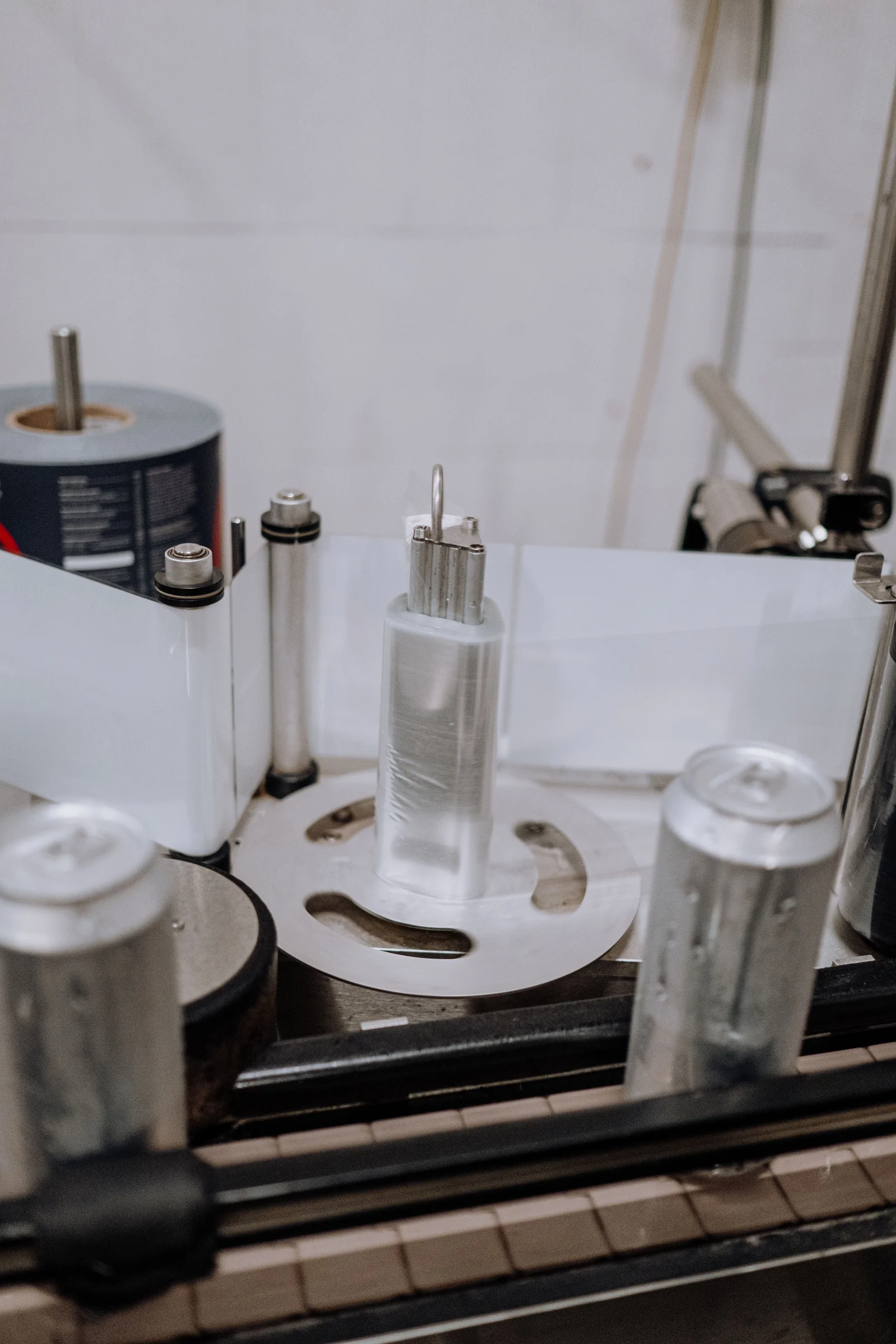 OEM, ODM and private-label projects allow manufacturers to sell products under a buyer’s brand or specification, but the terms are often used loosely. Before accepting an international project, both parties should define who owns the design, who pays for development, which parts may be changed and what happens to tooling, artwork and unused packaging.
The commercial model should match the manufacturer’s capabilities. A factory that is strong at efficient production may not be ready to provide full product design, testing and market-specific compliance support.
What private label usually means
Private label generally starts with an existing or lightly adapted product offered under the buyer’s brand. Changes may include logo, colour, packaging, label, bundle or minor specification choices.
This is often the fastest route because the manufacturer already has a developed product and production process. Examples can include ready-made textiles adapted with buyer labels and packaging.
 Ready Made Textile Products
Private label is suitable when the buyer wants brand ownership in the market but does not need an exclusive product design.
What OEM usually means
OEM projects typically involve manufacturing according to the buyer’s design, drawing, formula or detailed specification. The buyer may own the design, while the manufacturer provides process engineering, sourcing and production.
OEM work can require new tooling, technical review, validation and strict change control. The contract should state whether the manufacturer may use the design for other customers and how confidential information is protected.
What ODM usually means
ODM commonly refers to a manufacturer-developed product that the buyer selects and adapts. The manufacturer may own the base design and offer changes to features, dimensions, finish or packaging.
ODM can reduce development time, but the buyer should understand whether the design is exclusive and whether similar products can be sold elsewhere. The exact meaning varies by industry, so describe the project scope instead of relying only on the acronym.
Choose the model before quoting
Ask the buyer:
- Is there an existing product to brand?
- Does the buyer provide a complete design or only a concept?
- Which technical changes are required?
- Who owns existing and newly created intellectual property?
- Is exclusivity requested?
- Which markets will receive the product?
- Which tests and certifications are required?
- What annual volume is expected?
A product such as custom ceramic décor may begin as a buyer-owned design or as an adaptation of the supplier’s existing shapes.
 Customer Own Design Custom Ceramic Decor
Define intellectual-property ownership
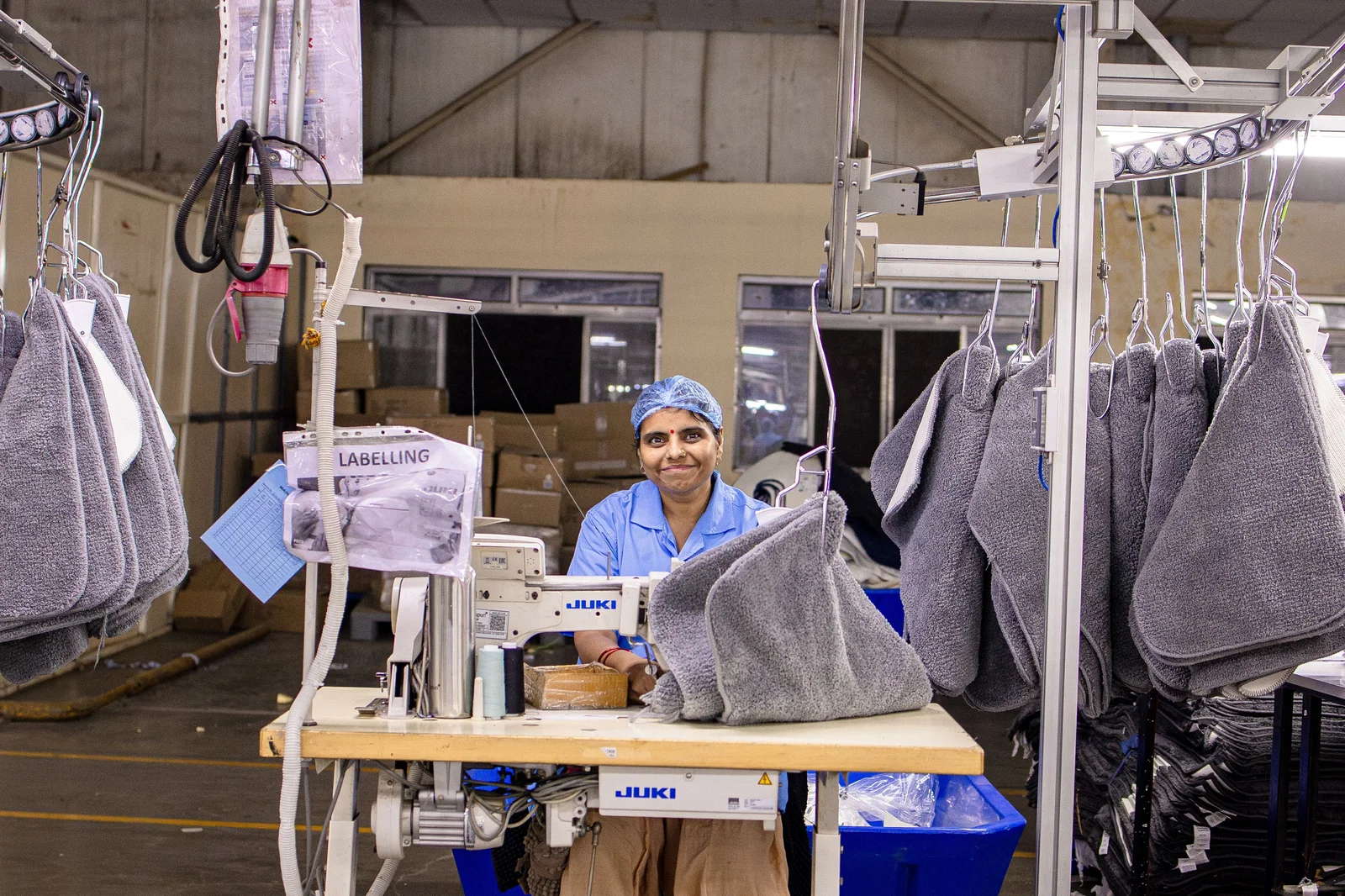 Separate background intellectual property from project-created work. Background IP includes the manufacturer’s existing process, design library, molds, know-how and standard components. Project IP may include new drawings, artwork, tooling or product features developed for the buyer.
The agreement should cover:
- Ownership of buyer-supplied designs and trademarks
- Ownership of manufacturer-developed improvements
- Permitted use of designs and tooling
- Confidentiality
- Exclusivity by market, channel or period
- Responsibility for third-party IP claims
- Return or destruction of files and samples
Manufacturers should not accept artwork or designs without obtaining buyer confirmation that the buyer has the right to use them.
Control tooling and molds
Tooling ownership is not determined only by who physically holds the tool. State who pays, who owns it, where it is stored, who maintains it and whether it may be used for other customers.
Include:
- Tool specification and identification number
- Development and modification charges
- Expected service life
- Maintenance responsibility
- Storage period after the final order
- Conditions for transfer or disposal
A low tooling price may not include future repairs, sampling rounds or transfer to another factory.
Use a staged sample process
Do not move from a concept directly to mass production. A staged process may include:
- Reference or stock sample
- Appearance sample
- Functional prototype
- Engineering or pilot sample
- Pre-production sample
- Golden sample retained by both parties
Define what each sample approves. Colour approval does not necessarily approve dimensions, packaging or final material.
Freeze the specification
Mass production should use an approved specification package containing drawings, materials, tolerances, finish, artwork, packaging, labels, tests and inspection criteria.
Assign version numbers and require written approval for changes. Verbal changes during a call can create expensive disputes when the factory and buyer remember them differently.
Calculate MOQ for customization
OEM and private-label MOQs may be driven by tooling, material colours, printed packaging, labels, production setup and testing. Offer separate minimums for different customization levels.
| Customization level | Possible commercial structure |
|---|---|
| Standard product | Lowest MOQ, neutral or supplier packaging |
| Logo and label | Moderate MOQ or label setup charge |
| Printed retail packaging | Packaging-printer MOQ applies |
| Custom colour or material | Raw-material batch minimum applies |
| New design or mold | Tooling, development and validation charges |
Use the detailed guide on How to Set Minimum Order Quantity for Export Customers to structure trial and production options.
Price development separately
Development should not disappear inside the unit price unless the parties agree on guaranteed volume. Separate:
- Design and engineering
- Tooling
- Testing
- Samples and courier
- Artwork and printing plates
- Certification
- Production units
For example, a custom aluminum packaging finish may require a setup or printing condition different from the standard product.
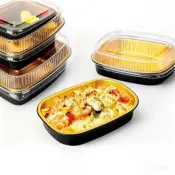 Black Gold Custom Aluminum Foil Containers
Custom printed disposable cups also combine product MOQ with artwork and print-run requirements.
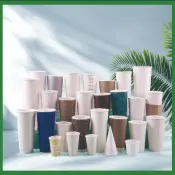 Custom Printed Disposable Paper Cups
Control branding and packaging files
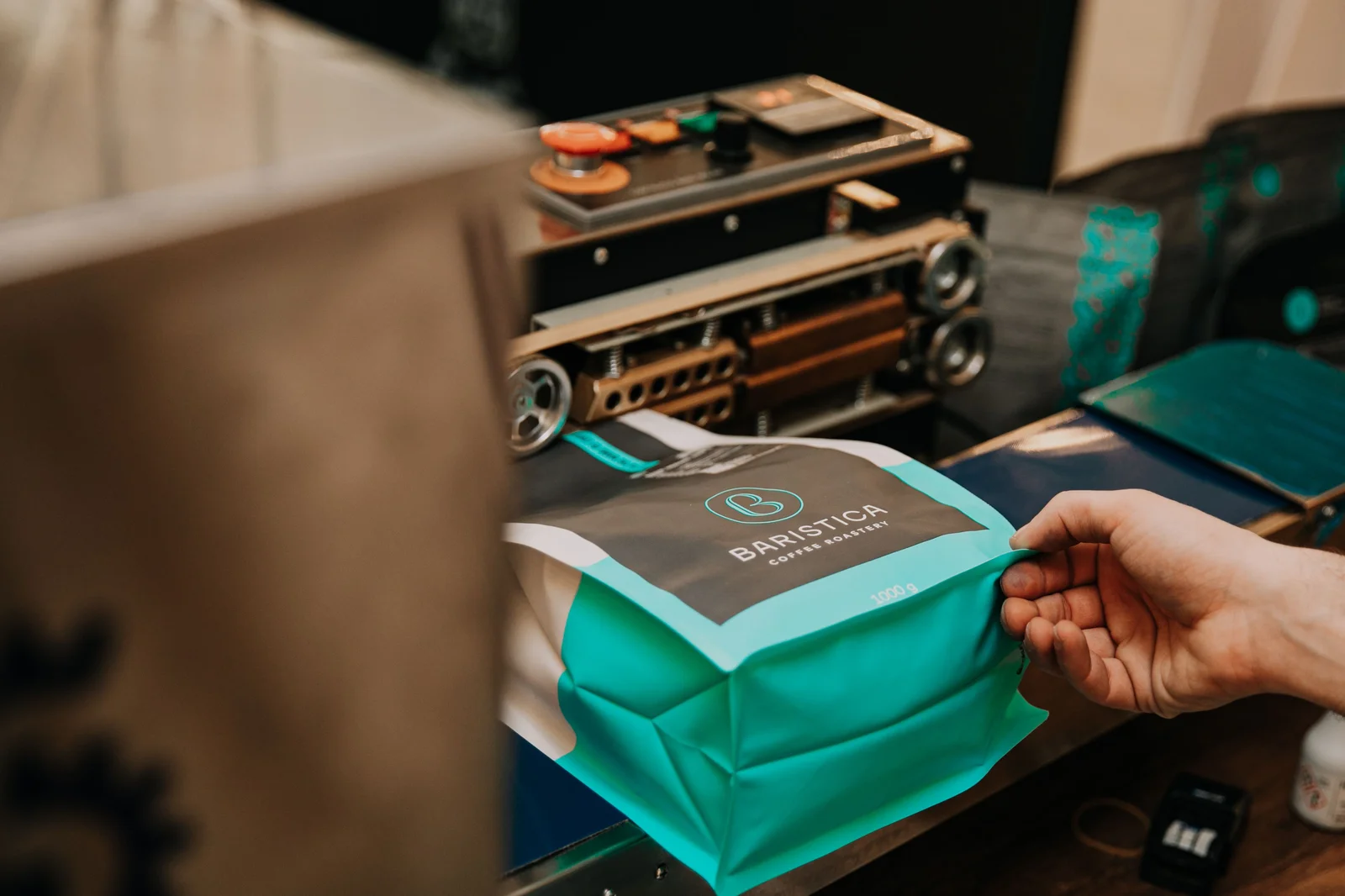 Use print-ready artwork specifications, dielines, colour references, barcode data and language requirements. Record the approved file name and version.
Clarify:
- Who supplies translations
- Who verifies legal label content
- Who owns printing plates
- Acceptable colour variation
- Approval method for proofs
- Handling of unused branded packaging
Unused packaging with the buyer’s trademark should not be sold or disposed of without an agreed process.
Confirm compliance by target market
A product that is already sold in one country may need different labels, tests or technical documentation elsewhere. The buyer and manufacturer should allocate responsibility for identifying and satisfying destination requirements.
Do not state that a product is “internationally certified” without naming the standard, certificate holder, scope and applicable model. Confirm whether modifications affect existing test coverage.
Create a quality-control plan
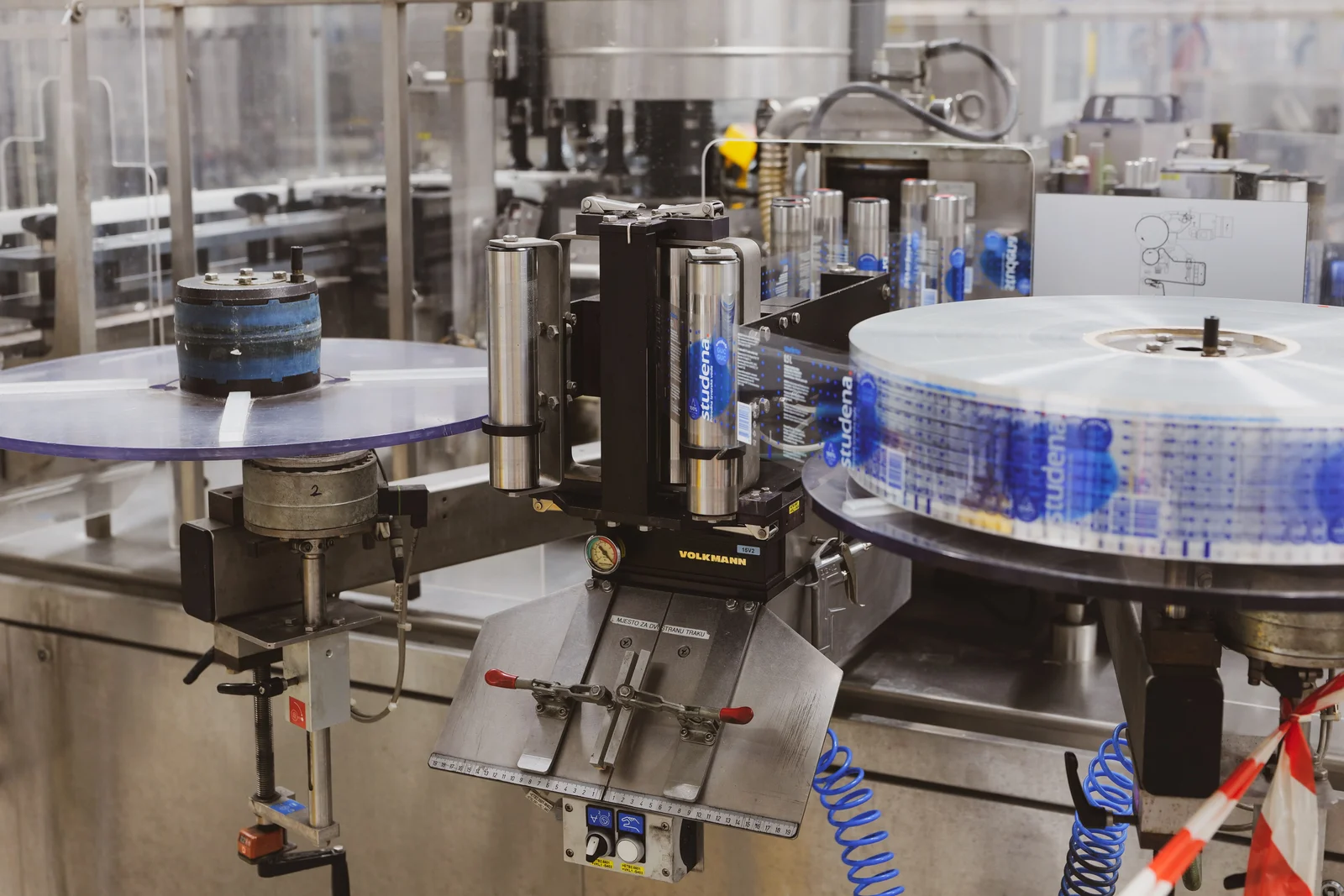 Inspection criteria should be agreed before production. Include:
- Critical dimensions and tolerances
- Material verification
- Colour and appearance limits
- Functional tests
- Packaging checks
- Sampling plan
- Defect classification
- Traceability and batch records
For visual products, approved samples and defect boards can be more useful than vague terms such as “high quality.”
Manage exclusivity carefully
Exclusivity should be earned through clear commitments. Define product, territory, channel, duration, minimum annual purchases and performance review.
A buyer asking for worldwide exclusivity on a small first order creates significant opportunity cost. Consider limited exclusivity tied to actual sales.
Plan reorders and change management
Record materials, suppliers, machine settings, approved samples and packaging versions so repeat orders remain consistent. Notify the buyer before changing a material, component, factory location or process that may affect performance or compliance.
Use real product and supplier examples carefully
FirmaPanel includes suppliers and product ranges that may support branding, adaptation or collection development, including
 Castiglioni S.r.l.
,
Castiglioni S.r.l.
,
 COSTA NOVA
,
COSTA NOVA
,
 ALUMINUM FOIL CONTAINER EXPORT
and
ALUMINUM FOIL CONTAINER EXPORT
and
 CHANGYA NEWMATERIAL TECHNOLOGY
. Buyers should confirm each supplier’s actual OEM, ODM or private-label capability directly.
CHANGYA NEWMATERIAL TECHNOLOGY
. Buyers should confirm each supplier’s actual OEM, ODM or private-label capability directly.
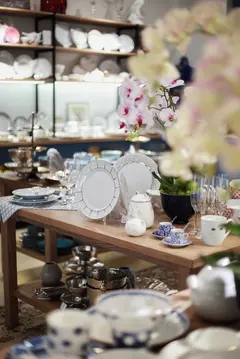
Tableware collections such as
 COSTA NOVA Vila Ceramic Tableware Collection
can illustrate how an established design range may be selected, combined or adapted for a market, subject to the manufacturer’s terms.
COSTA NOVA Vila Ceramic Tableware Collection
can illustrate how an established design range may be selected, combined or adapted for a market, subject to the manufacturer’s terms.
OEM, ODM and private-label checklist
- Define the commercial model and exact scope.
- Separate buyer and manufacturer intellectual property.
- Document tooling ownership and maintenance.
- Approve samples in stages.
- Freeze specifications and artwork versions.
- Calculate customization MOQ and development charges.
- Confirm target-market compliance.
- Agree quality criteria before production.
- Link exclusivity to volume and performance.
- Control changes for repeat orders.
A successful private-label project is not simply a logo placed on a product. It is a controlled development, production and compliance process with clear ownership, measurable approvals and commercially realistic volumes.