Which Incoterm Should an Exporter Offer and How Should It Be Priced?

An exporter can win an order and still lose money on the delivery. It usually happens when a quotation includes a familiar three-letter term but does not include every cost attached to that term. The product margin looked healthy; the inland haulage, terminal charge, customs fee, insurance, waiting time or destination expense was not priced properly.
The safest Incoterm to offer is not always the one that places the least responsibility on the seller. It is the term the exporter can perform reliably, document correctly and price with enough information. A factory with an experienced export team may offer FCA, FOB and CIF confidently. A supplier with a strong destination partner may add DAP. DDP should be offered only when import-country obligations are genuinely under control.
This article focuses on the seller’s commercial decision: which terms to put in a quotation and how to build the price. For a general explanation of the rules, see Incoterms 2020 Explained for Importers: FCA, CPT, CIP, FOB, CIF, DAP and DDP. Buyers comparing terms can also use Which Incoterm Should an Importer Request?.
Choose the term before calculating the final selling price
Start by drawing a line at the agreed delivery point. Every activity on the seller’s side of that line must be either included in the quoted price or clearly excluded.
The costing sheet should separate at least five groups:
- Goods: production, purchased components, inspection and standard packaging.
- Export preparation: export packing, labels, pallets, fumigation, certificates and loading.
- Origin logistics: collection, inland transport, customs broker, terminal and documentation charges.
- Main and destination transport: freight, insurance, destination handling and inland delivery.
- Commercial protection: margin, financing cost, exchange-rate exposure, freight volatility and contingency.
Do not begin with an EXW price and add a rough percentage for every later term. Freight and customs costs do not move in proportion to product value. They should be priced from actual quotations and documented assumptions.
Offer EXW when the buyer can manage collection and export arrangements
EXW is the exporter’s lowest-responsibility option. The goods are placed at the buyer’s disposal at the named premises. In practice, many buyers still expect the factory to load the collecting vehicle or help with export documents, even when the quotation says EXW.
An EXW price should normally include:
- The finished goods
- Agreed standard or export packaging
- Quality checks included in the sale
- The exporter’s commercial margin
- Storage until the agreed collection date
State separately whether loading is included. Also state who will prepare documents that only the seller can issue. If the transaction requires the seller to complete export clearance, FCA may describe the arrangement more accurately.
A clear line would be:
EXW Seller’s Factory, Konya, Türkiye, Incoterms® 2020. Loading and export customs clearance excluded.
Use FCA as the standard export offer for many container, air and road shipments
FCA is often the most practical seller-controlled export term. The exporter clears the goods for export and hands them to the buyer’s nominated carrier at the named place. FCA can be used for any mode of transport.
To price FCA, begin with the EXW value and add the costs needed to reach the named handover point:
- Vehicle loading, when delivery occurs at the seller’s premises
- Export customs broker and declaration fees
- Certificates required for export clearance
- Inland delivery to the nominated terminal or forwarder, when applicable
- Handling charged before the carrier accepts the goods
- Administrative time and a reasonable contingency
The named place changes the price. FCA factory and FCA airport cargo terminal are not interchangeable. Prepare separate cost codes for each regular handover location instead of using one universal FCA surcharge.
Offer FOB only when the shipment and port operation fit FOB
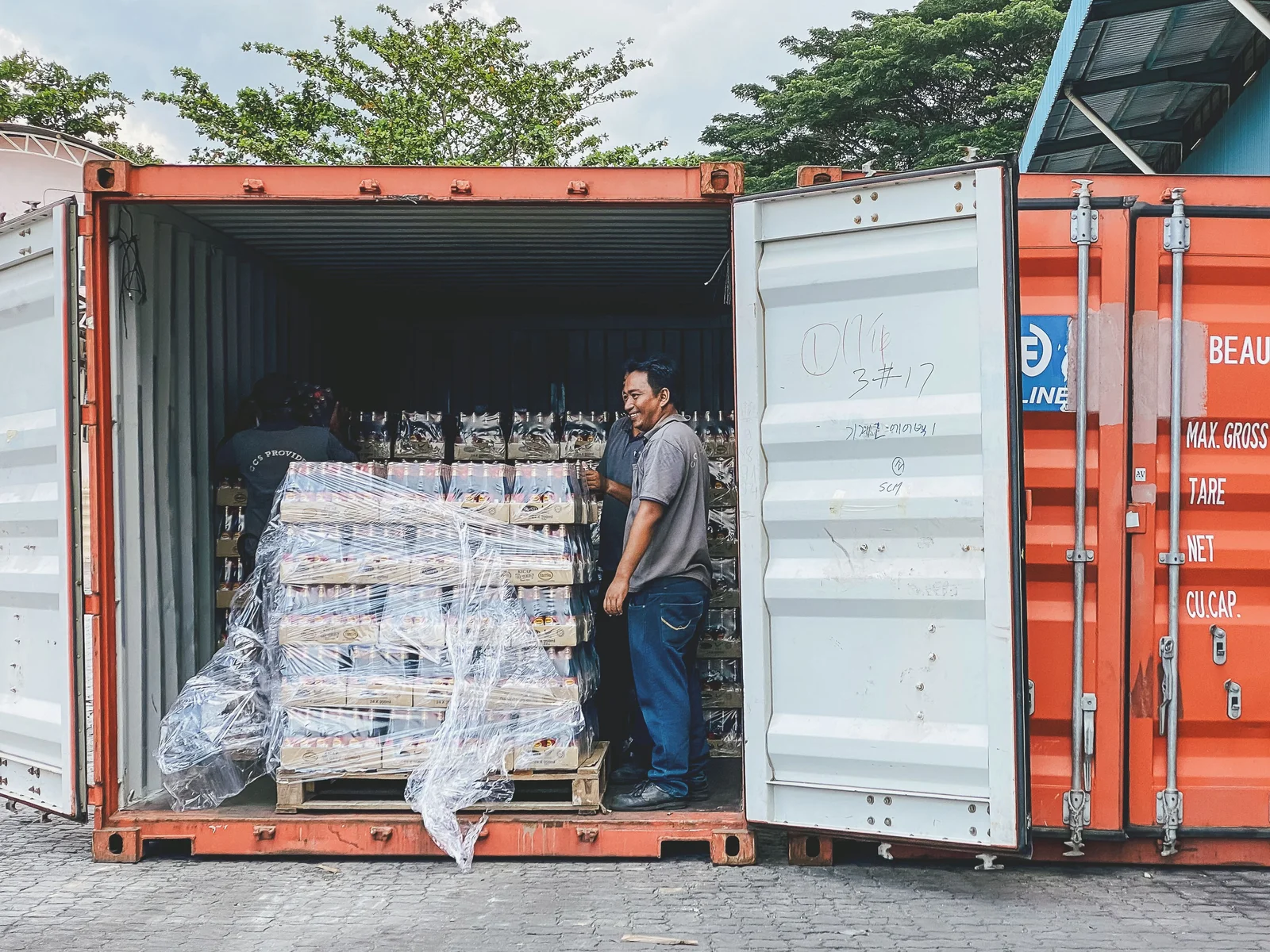 FOB applies to sea and inland-waterway transport, with delivery occurring when the goods are on board the vessel at the named port of shipment. It is widely requested, but exporters should avoid using FOB as a generic export-price label.
For containerized cargo, the seller often hands the container to a terminal before vessel loading. FCA at the terminal may follow the physical movement more closely. FOB remains suitable for many conventional, project, breakbulk and bulk shipments where the seller can control delivery to the vessel.
A FOB price may include:
- The FCA cost base
- Inland haulage to the port
- Port or terminal handling that belongs to the seller
- Export documentation
- Weighing, security and port access fees
- Loading-related charges required to place the goods on board
- Waiting-time allowance where port congestion is a known risk
Confirm the buyer’s nominated vessel, forwarder and port procedure before accepting unusual cost responsibility. The quotation should name the port:
FOB Port of İzmir, Türkiye, Incoterms® 2020
Do not quote “FOB Türkiye.” The difference between ports may be commercially significant.
Build CIF from a confirmed FOB cost, freight rate and insurance cost
CIF can make an offer easier for an overseas buyer to evaluate because the price includes ocean freight and insurance to the named destination port. It also exposes the exporter to freight-rate errors if the quotation is not controlled carefully.
A practical CIF build-up is:
CIF price = FOB price + ocean freight + required cargo insurance + freight administration + risk allowance
Use a current carrier or forwarder quotation. Record:
- Origin and destination ports
- Container type or chargeable volume
- Commodity and weight
- Route and transshipment
- Included surcharges
- Excluded destination charges
- Free-time conditions
- Rate validity
CIF includes the seller’s cost of carriage to the destination port, but the risk transfers at shipment rather than at arrival. Make sure the buyer understands which destination handling, customs and inland-delivery costs remain outside the price.
Freight quotes can expire faster than product quotes. Use wording such as:
Product price valid for 30 days. Ocean freight component valid until 18 August 2026 and subject to carrier space and surcharge confirmation at booking.
Do not overlook documentation and compliance costs
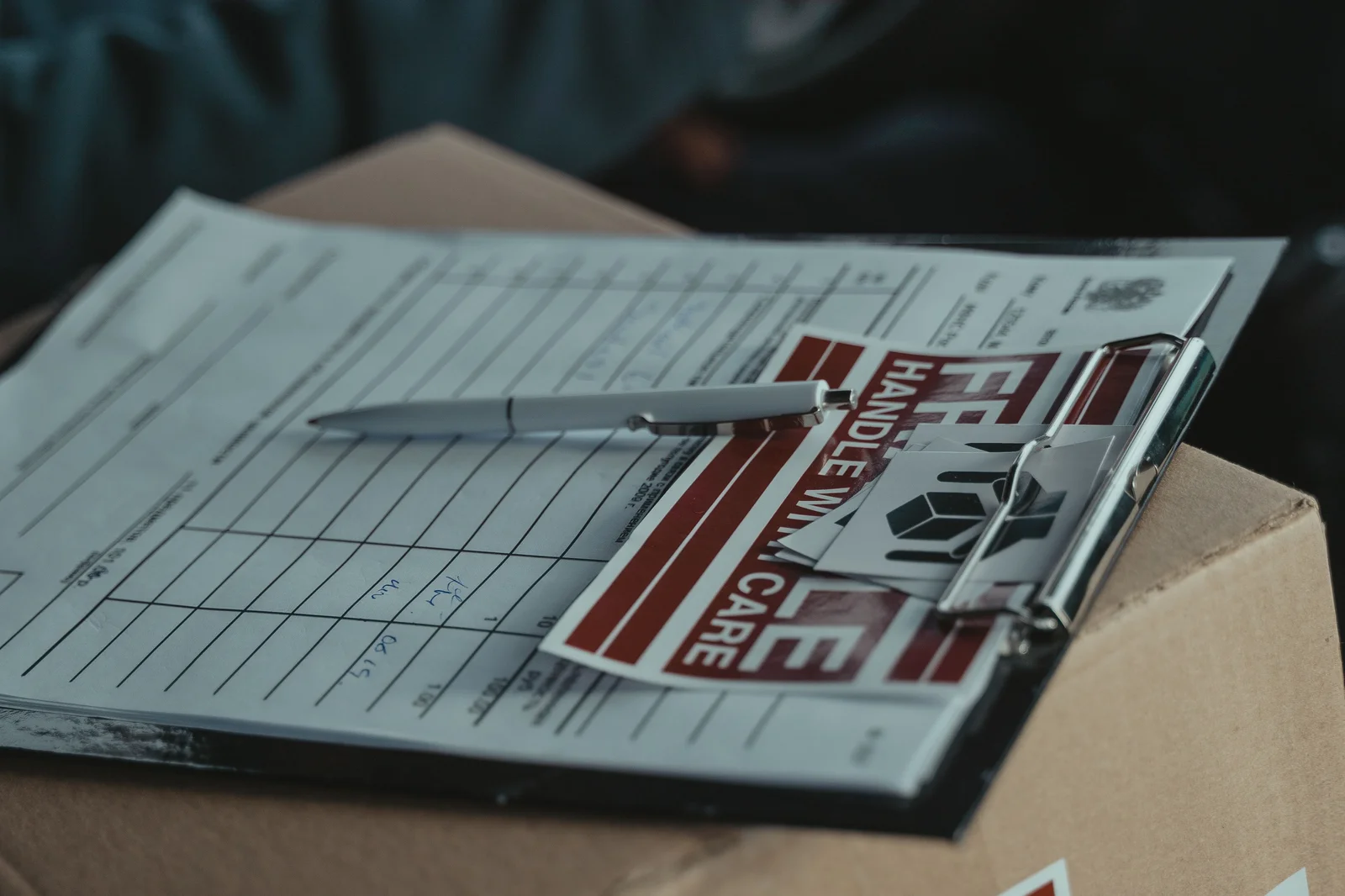 Documents are often treated as office overhead, but some export orders require measurable additional work and third-party fees. Depending on the goods and destination, the seller may need commercial invoices, packing lists, certificates of origin, inspection certificates, conformity documents, legalization, consular processing, dangerous-goods declarations or special timber-packaging evidence.
Create a document-cost schedule instead of absorbing every request into the product margin. The quotation can include standard documents and list exceptional documents separately.
For example:
- Commercial invoice and packing list: included
- Standard certificate of origin: included or separately priced
- Chamber legalization: at cost plus handling
- Third-party inspection: excluded unless requested
- Destination-specific certification: quoted after technical review
This prevents a buyer’s late documentation request from turning a profitable order into an administrative loss.
Offer DAP when you can control transport to the named destination
Under DAP, the exporter arranges carriage to the named destination and carries risk until the goods are available there, ready for unloading. Import clearance, duties and taxes normally remain with the buyer.
DAP is attractive to buyers and can differentiate an exporter, particularly for road freight, air cargo and repeat deliveries. It should be priced only after confirming the destination address, access conditions and local delivery requirements.
A DAP calculation may include:
- FCA or origin cost base
- Main freight
- Transit and destination handling payable by the seller
- Delivery-order and carrier administration fees
- Final-mile transport
- Security, toll, appointment or restricted-access fees
- Insurance selected by the exporter
- A contingency for delays and re-delivery
Clarify unloading. DAP delivery is normally made ready for unloading; the seller does not automatically take responsibility for unloading the truck at the buyer’s premises.
Offer DDP only after legal, tax and customs review
DDP gives the seller the broadest responsibility. The exporter arranges delivery and import clearance and pays import duties and applicable taxes under the agreed arrangement. It can be commercially powerful, but it can also be the easiest term to underprice.
Before offering DDP, confirm:
- Who can legally act as importer of record
- Whether the exporter needs local customs or tax registration
- The correct tariff classification and customs value
- Duty, anti-dumping and excise exposure
- VAT or sales-tax treatment
- Broker, bond and guarantee costs
- Product registration or local compliance requirements
- Whether the buyer can recover taxes paid in the seller’s name
When these points are uncertain, DAP is often safer. The exporter can still provide a convenient delivered price while the buyer remains responsible for local import formalities.
A worked export-pricing example
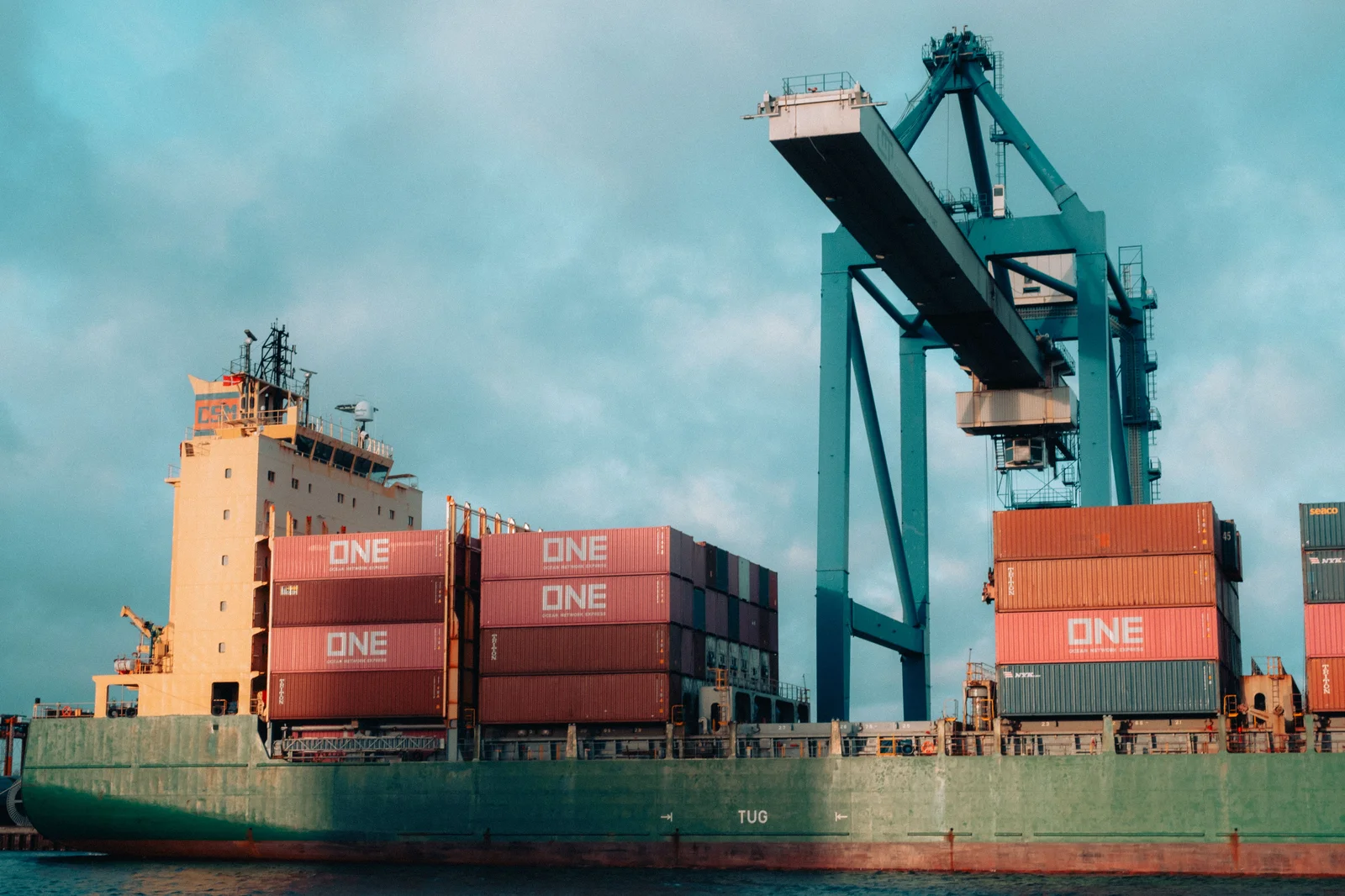 Assume the exporter’s goods, export packaging and intended product margin produce an EXW value of $22,000. The figures below are illustrative:
| Quotation stageAdded seller costsIndicative price | ||
| EXW factory | Goods, packaging and product margin | $22,000 |
| FCA factory/terminal | Loading, export broker, certificates and handover costs: $450 | $22,450 |
| FOB named port | Inland haulage and origin port costs: $1,150 | $23,600 |
| CIF destination port | Ocean freight $2,400; insurance and administration $180 | $26,180 |
| DAP buyer’s warehouse | Destination handling and inland delivery: $2,200 | $28,380 |
The exporter should not treat $28,380 as a fixed DAP price until the destination address, route, unloading condition, rate validity and local surcharges are confirmed. DDP would require a separate calculation for customs, duties, taxes and import administration.
Protect the margin from exchange rates and freight changes
A product may be priced in one currency while freight, port charges and insurance are paid in another. Record the exchange rate used in the costing sheet and add a quotation-validity period appropriate to the volatility.
Common protections include:
- Separate validity periods for goods and freight
- A stated exchange-rate basis
- Carrier surcharge adjustment before booking
- A clear rule for demurrage and detention caused by the buyer
- Repricing when shipment volume or weight changes
- Exclusion of storage caused by missing buyer documents
These clauses should not be hidden in vague language. A buyer is more likely to accept a freight adjustment when the original quotation explains how it will be handled.
Quote multiple terms without confusing the buyer
Offering two or three options can increase the chance of winning the order. A clean quotation might show:
| OptionPriceNamed placeValidity | |||
| FCA | $22,450 | Seller’s factory, Konya | 30 days |
| FOB | $23,600 | Port of İzmir | 30 days |
| CIF | $26,180 | Port of Rotterdam | Product 30 days; freight 10 days |
Add one page of inclusions and exclusions rather than repeating unclear notes beneath every line. State the expected packing dimensions, gross weight and shipment basis used for the freight calculation.
Pricing mistakes exporters should avoid
- Using one flat percentage: inland, port and freight charges should be costed directly.
- Ignoring minimum charges: small shipments can carry high documentation and terminal minimums.
- Using FOB for every sea shipment: consider FCA for container handover.
- Quoting CIF without destination exclusions: buyers may assume local port charges are included.
- Offering DDP without an importer-of-record solution: the delivery promise may be impossible to perform.
- Leaving the named place vague: cost and delivery obligations cannot be measured properly.
- Matching freight validity to product validity: transport rates may change much faster.
- Forgetting financing cost: freight may be paid before the exporter receives the buyer’s final payment.
Which terms should a new exporter offer?
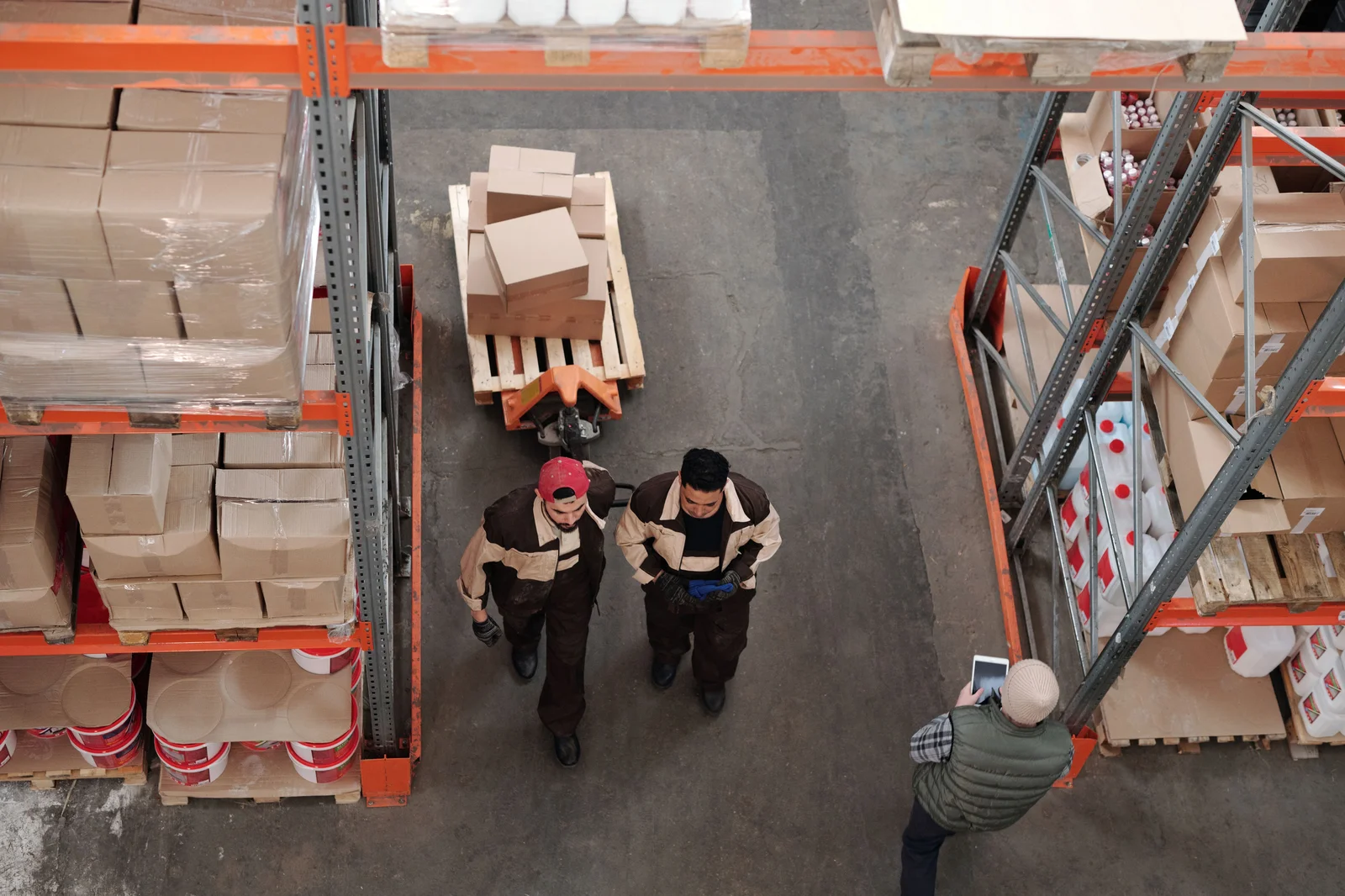 A new exporter can usually begin with FCA and, where operationally suitable, EXW. FCA keeps export clearance with the seller and gives the buyer control of the main transport. Once the exporter has stable relationships with forwarders, FOB and CIF can be added for appropriate sea shipments.
DAP should follow when destination delivery can be quoted reliably. DDP should be treated as a separate service requiring destination-country expertise, not as a routine extension of DAP.
Which terms should an experienced exporter offer?
An experienced exporter can offer a menu based on route and shipment type rather than one standard term for all buyers. For example:
- FCA factory for buyer-controlled road and air freight
- FCA terminal for containers
- FOB for conventional sea cargo
- CIF for buyers requesting a destination-port price
- DAP for established routes with reliable delivery partners
- DDP only in countries where the exporter has a compliant import structure
The strongest quotation is not the one with the most delivery options. It is the one where every option is executable and correctly priced.
Final recommendation
Use FCA as the core term for many export quotations, especially when export clearance belongs with the seller and the buyer controls the main transport. Add FOB where the cargo and port process genuinely fit it. Build CIF from a confirmed FOB cost plus current freight and insurance. Offer DAP where your logistics network can support destination delivery. Treat DDP as a legal, customs and tax project before treating it as a price.
Every quotation should state the named place or port, “Incoterms® 2020,” inclusions, exclusions, packing assumptions and validity. Those details protect the exporter’s margin and make the offer easier for the buyer to trust.
Exporters can present their capabilities and respond to international buyer requirements through Export Marketplace for Global B2B Trade.