Export Packaging Guide: Cartons, Pallets, Containers and Damage Prevention
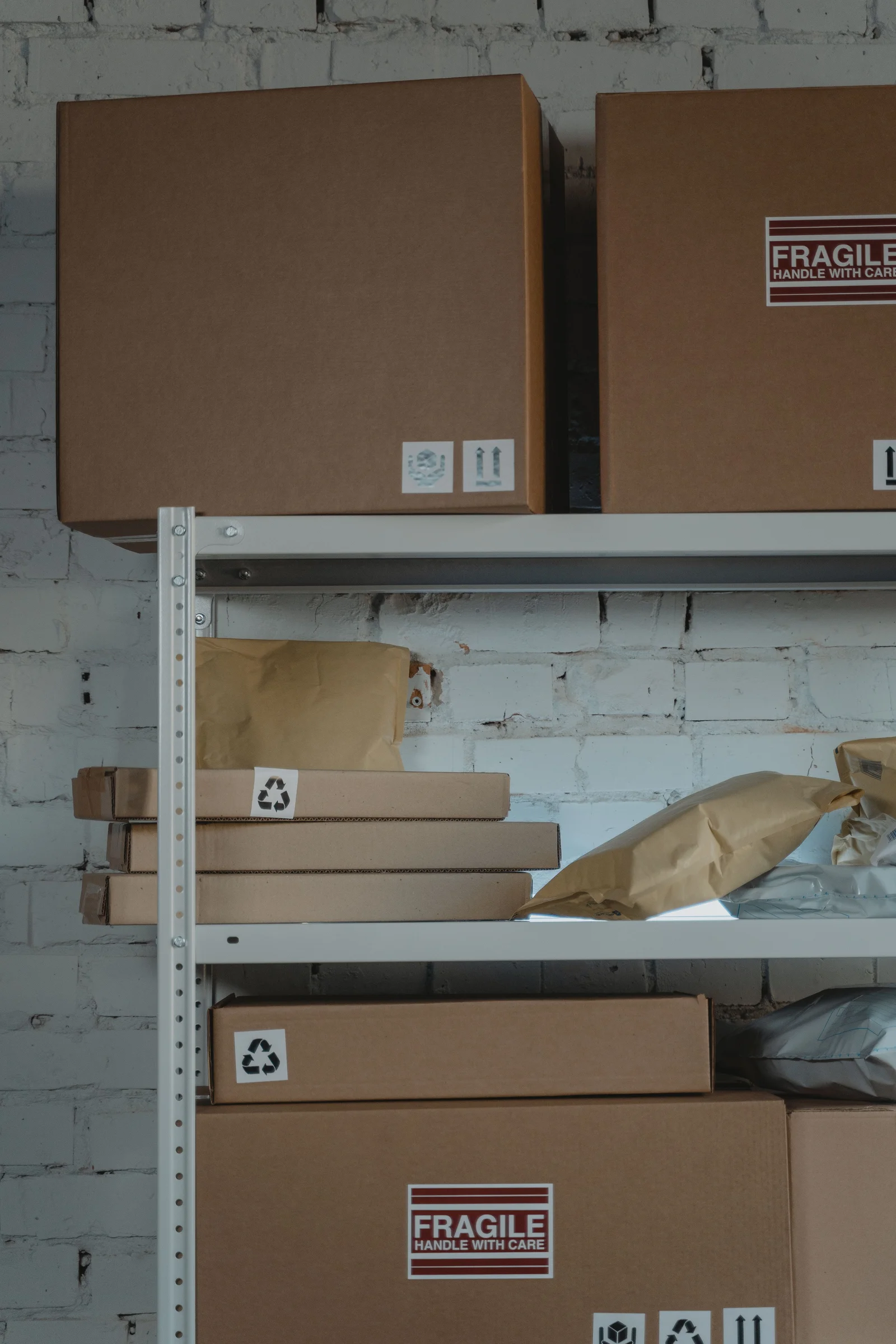 Export packaging must protect a product through repeated handling, stacking, vibration, humidity and long-distance transport. Packaging that performs well in domestic delivery may fail after consolidation, port storage, container movement or destination handling. The result can be breakage, corrosion, crushed cartons, rejected labels or freight costs that are much higher than expected.
A reliable packaging design balances four goals: product protection, efficient freight use, regulatory compliance and easy handling at the buyer’s warehouse.
Separate retail packaging from transport packaging
Retail packaging presents the product to the final customer. Transport packaging protects that retail pack during distribution. A printed box may still require an inner carton, dividers, a stronger master carton and pallet protection.
Define each level:
- Primary packaging in direct contact with the product
- Retail or individual sales packaging
- Inner carton or bundle
- Export master carton
- Pallet, crate or other unit load
- Container or transport vehicle
When these levels are designed separately, the exporter can change the outer protection for different routes without redesigning the consumer pack.
Match packaging to the product risk
Consider weight, fragility, moisture sensitivity, corrosion, sharp edges, leakage, temperature, static electricity and product movement. Heavy metal components need different protection from ceramic tableware, textiles or food packaging.
For example, aluminum food containers must resist deformation and remain clean during handling.
 Aluminum Foil Takeout Meal Containers
Compostable and fibre-based packs may require protection from moisture and compression.
 BetaEco Sustainable Food Packaging
Select the right master carton
Carton performance depends on board construction, flute type, dimensions, humidity, closure and stacking pattern. An oversized carton with empty space can collapse even when the board specification appears strong.
Ask the carton supplier for an appropriate compression or performance specification based on:
- Gross carton weight
- Number of cartons stacked
- Storage duration
- Expected humidity
- Pallet pattern
- Handling and transport mode
Use dividers, molded pulp, foam or corrugated inserts to prevent product-to-product contact. Avoid relying on “Fragile” labels as the primary protection.
Design the pack around standard logistics units
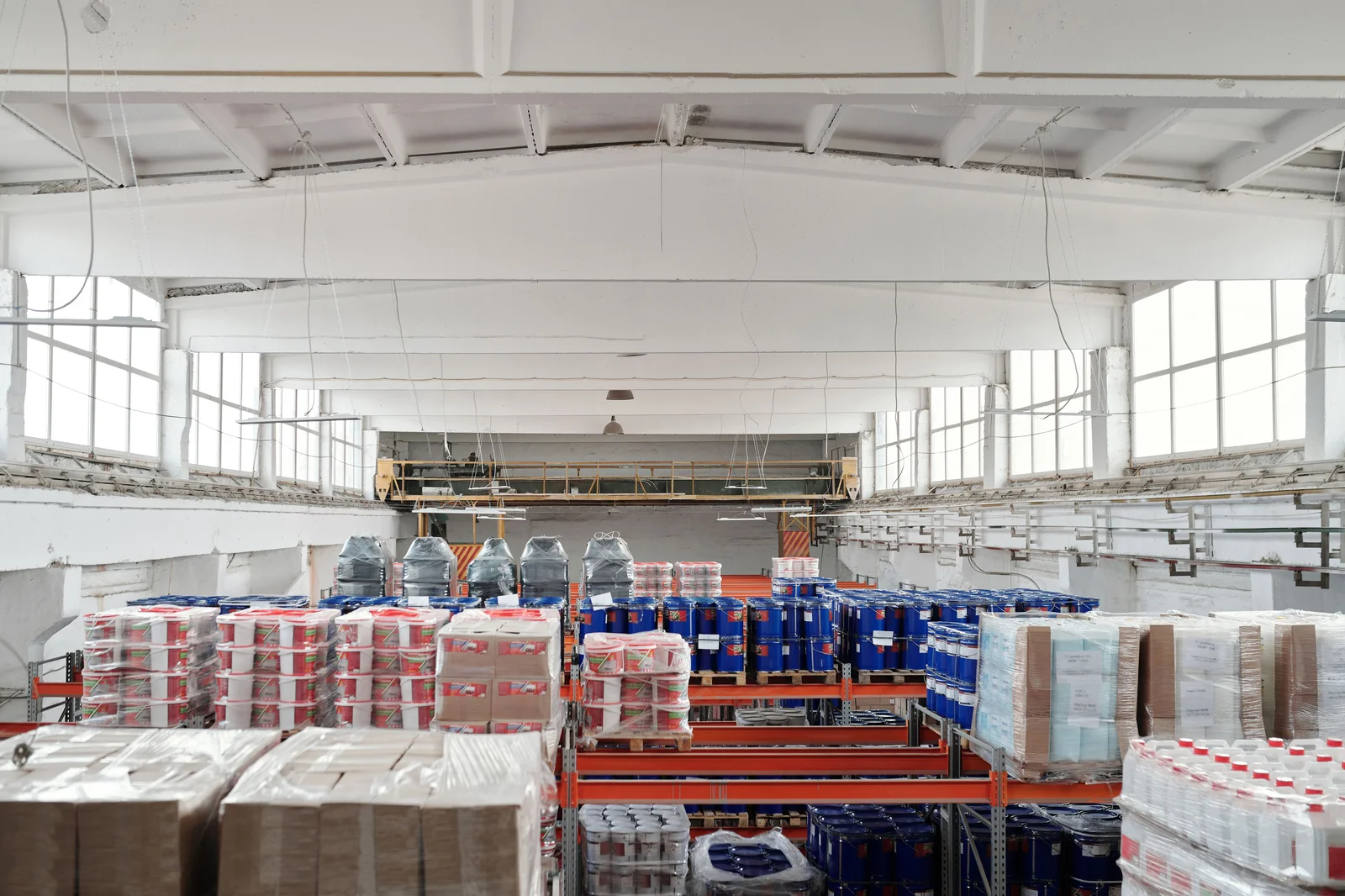 Carton dimensions affect pallet utilization, container space and freight cost. A small change in carton size can reduce unused pallet area or allow an extra layer without exceeding safe height and weight.
Calculate:
- Units per inner pack
- Units per master carton
- Cartons per pallet layer
- Layers per pallet
- Units per pallet
- Pallets or loose cartons per container
Do not optimize volume by creating cartons that are unsafe for manual handling or likely to crush lower layers.
Use pallets correctly
A pallet should support the complete footprint of the load. Carton overhang reduces strength and exposes edges to impact. Large gaps between cartons can also reduce stability.
Use suitable stretch film, straps, corner boards, top sheets and anti-slip materials. The load should remain stable without excessive film that makes inspection or recycling difficult.
Solid-wood pallets, crates and dunnage may be subject to phytosanitary treatment and marking requirements for international movement. Confirm the applicable destination and route requirements before packing. Keep evidence from the approved packaging supplier where required.
Protect against moisture and corrosion
Sea transport can expose cargo to condensation and changing temperatures. Metal goods may need barrier film, corrosion inhibitor, desiccant or protective coating. Paper, textiles and wood can absorb moisture and develop staining, odor or mold.
Choose moisture controls based on the product, packing volume, expected route and storage period. Desiccant is not a substitute for dry goods, dry packaging and a sound container.
Control fragile products
Glass, ceramics and decorative products require separation, cushioning and immobilization. The packaging should protect against drops and repeated vibration, not only static pressure.
Glass jars and closures also require compatible dimensions and controlled separation.
 Glass Jars for Jam Honey and Sauce Packaging
Disposable plates, bowls and cups can deform or crack when carton compression is not controlled.
 Compostable Bagasse Plates and Tableware
Test representative packed cartons before a large order. Drop, vibration and compression testing should reflect the distribution route and product value.
Prevent movement inside crates and containers
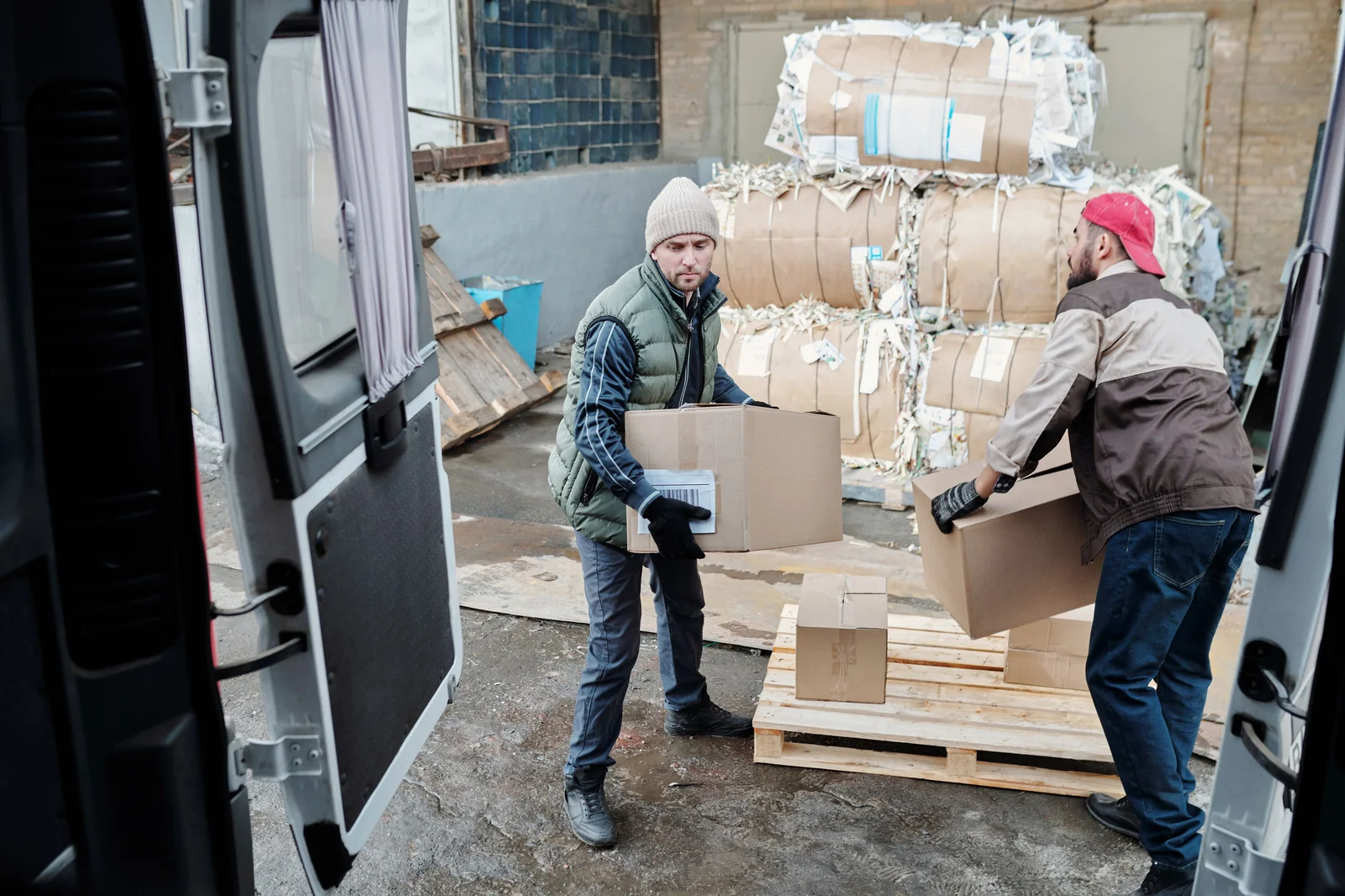 A well-packed carton can still fail if pallets or crates move during transport. Use blocking, bracing, straps, dunnage bags or other approved securing methods appropriate to the cargo and transport mode.
Before loading:
- Inspect the container for holes, water, odor, contamination and floor damage
- Confirm the payload and weight distribution
- Keep incompatible goods separate
- Protect cargo from doors and sharp projections
- Photograph the empty container, loading stages and final secured load
- Record the seal number
Do not load wet pallets or cartons into a dry container.
Apply clear shipping marks
Shipping marks should help identify and handle the packages. Depending on the shipment, they may include:
- Consignee or order reference
- Product or carton number
- Country of origin
- Gross and net weight
- Package dimensions
- Handling symbols
- Lot or batch number
- Pallet sequence
Confirm language, barcode and destination-label requirements with the buyer before printing. Custom printed cups and packs also require artwork control.
 Custom Printed Disposable Paper Cups
Choose packaging materials that fit the market
Buyers may request recyclable, compostable or reusable packaging, but environmental claims should be accurate and supported. The preferred material also depends on local waste systems, product-contact requirements and transport performance.
Paper cups, food boxes and other disposable formats can have different coatings, barriers and end-of-life routes.
 Single Wall Double Wall and Ripple Paper Cups
Packaging suppliers represented on FirmaPanel include
 ALUMINUM FOIL CONTAINER EXPORT
,
ALUMINUM FOIL CONTAINER EXPORT
,
 Anchor Packaging
,
Anchor Packaging
,
 ANHUI IDEA TECHNOLOGY CO.,LTD
,
ANHUI IDEA TECHNOLOGY CO.,LTD
,
 ANHUI KAILAI PACKAGING CO.,LTD
and
ANHUI KAILAI PACKAGING CO.,LTD
and
 CHANGYA NEWMATERIAL TECHNOLOGY
. Buyers and exporters should confirm specifications, certifications and suitability directly for the intended use and destination.
CHANGYA NEWMATERIAL TECHNOLOGY
. Buyers and exporters should confirm specifications, certifications and suitability directly for the intended use and destination.
Include packaging data in the quotation
Packaging details affect the buyer’s landed cost. Include estimated carton dimensions, gross weight, units per carton, pallet configuration and total shipment volume in the export quotation.
For customized packaging, state artwork lead time, printing MOQ, setup cost and approval process. Link these costs to the guide on How to Calculate Export Prices: Costs, Margins, Freight and Incoterms.
Inspect packaging before shipment
 A pre-shipment packaging check should verify:
- Correct product and quantity
- Approved retail and master packaging
- Carton dimensions and gross weight
- Correct labels, barcodes and shipping marks
- Sealed inner bags or moisture protection
- Pallet condition and markings
- Load stability
- Container condition and seal
Record photos and retain an approved packed sample when possible.
Export packaging checklist
- Define primary, retail, carton and pallet packaging separately.
- Design protection around actual product risks.
- Use carton strength suitable for weight, humidity and stacking.
- Optimize pallet and container use without creating unsafe packs.
- Confirm wood-packaging requirements for the route.
- Control moisture, corrosion and product movement.
- Agree labels and marks before printing.
- Test representative packed products.
- Inspect and photograph the final load.
Packaging is part of the exported product experience. A buyer may accept the product quality but reject future orders when cartons arrive crushed, labels are inconsistent or unloading is difficult. Treat packaging design as an engineering and commercial task rather than a final warehouse step.