How to Calculate Export Prices: Costs, Margins, Freight and Incoterms
 An export price is not simply a domestic price converted into another currency. A quotation sent to an international buyer may need to absorb export packaging, local transport, customs handling, documentation, bank charges, sales commission, freight and currency risk. If even one of these costs is omitted, an order that appears profitable can produce a loss by the time the goods leave the country.
The safest method is to build the price in layers. Begin with the product at the factory, add the costs required to reach each delivery point, and apply a profit margin that reflects both commercial risk and the service being offered. This approach also makes it easier to quote several Incoterms without calculating every price from the beginning.
Start with the true product cost
The starting figure should be the complete cost of producing or purchasing the goods, not only the raw-material value. Depending on the business, it may include direct materials, production labour, machine time, subcontracting, energy, quality control, scrap allowance and factory overhead.
- Raw materials and purchased components
- Direct labour and production time
- Tooling or setup allocated to the order
- Quality inspection and testing
- Normal production waste or rejection allowance
- Factory overhead allocated according to the company’s costing method
A product that costs USD 8 in materials is not an USD 8 export product when labour, packaging, administration and production losses have not yet been included.
Add export packaging as a separate cost
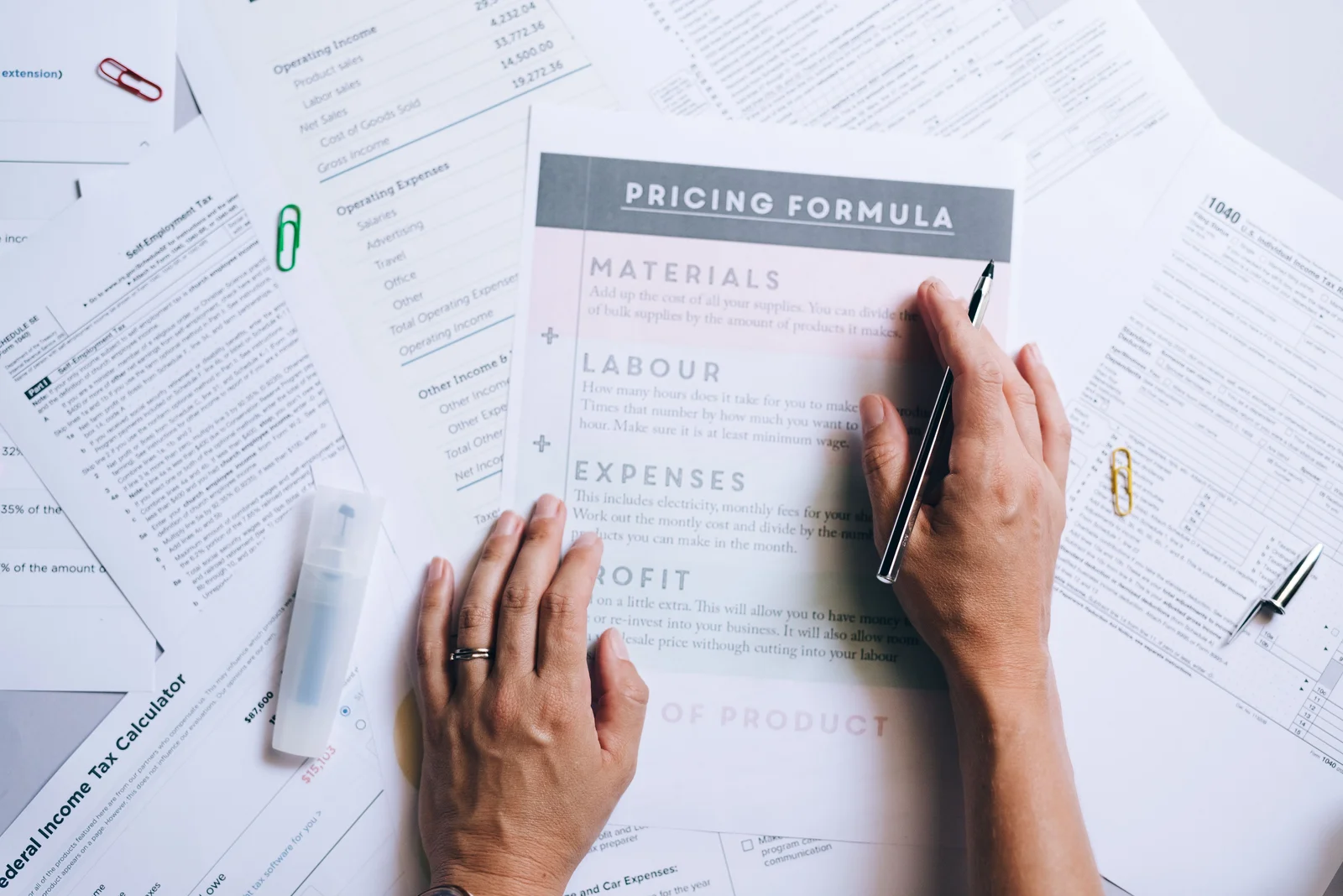 Export packaging is often stronger and more expensive than domestic packaging. Carton strength, moisture protection, palletization, wooden crates, edge protectors, labels and shipping marks can materially change the cost per unit. Custom retail boxes and private-label printing may also require setup charges or minimum print quantities.
Calculate packaging from the actual packing configuration. If one master carton holds 24 pieces, divide the carton, inserts, tape and labels by 24. Add the pallet cost according to the number of cartons per pallet. For fragile or high-value goods, include breakage prevention and any pre-shipment packaging tests.
For wooden pallets, crates or dunnage used in international trade, confirm the destination’s phytosanitary rules and whether compliant treatment and marking are required. Requirements vary by route and packaging material, so exporters should confirm them before quoting.
Build an EXW price first
An EXW calculation is a useful internal baseline because it represents the goods made available at the seller’s named facility. A simplified formula is:
EXW cost basis = product cost + export packaging + order-specific handling + allocated commercial costs
Commercial costs can include sales commission, marketplace fees, sample recovery, translation, certificates prepared for the order and financing costs. After establishing the cost basis, apply the required margin.
Selling price = cost basis ÷ (1 − target margin)
This distinction matters. Adding 20% to cost produces a 16.7% gross margin, not a 20% margin. For example, a cost of USD 100 divided by 0.80 gives a selling price of USD 125 and a 20% gross margin.
Add costs according to the quoted Incoterm
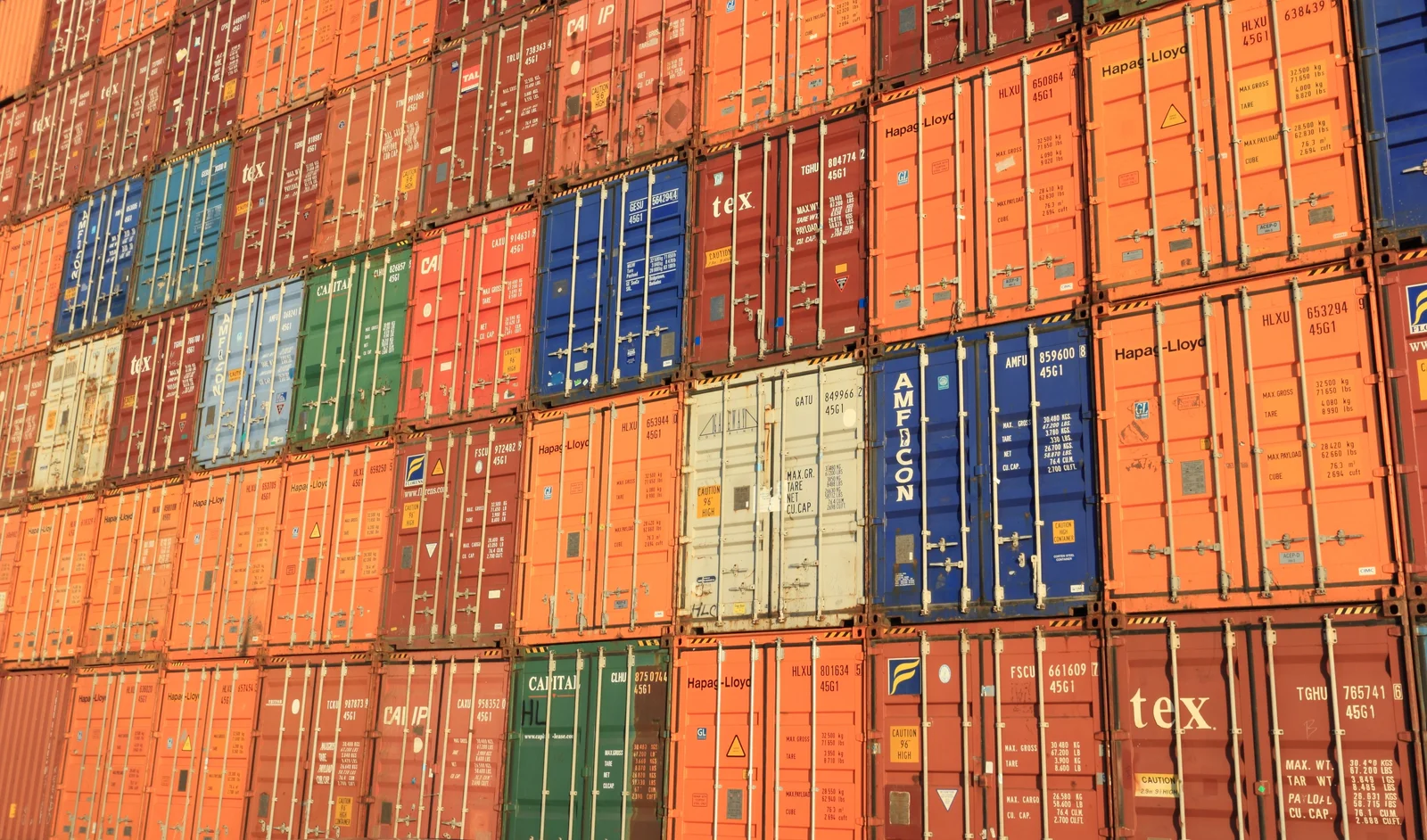 Each delivery term changes which costs the exporter must include. The exact named place or port is essential. “FOB” alone is incomplete; “FOB Shanghai Port, Incoterms 2020” identifies the relevant port and makes the quotation more usable.
| Price level | Typical additions to the previous level |
|---|---|
| EXW | Production, export packaging, handling and seller margin |
| FCA | Loading where applicable, export clearance and delivery to the named carrier or place |
| FOB | Export clearance, inland transport, terminal and loading costs required to place goods on board at the named port |
| CFR/CIF | FOB-level cost plus ocean freight; CIF also includes the required insurance arranged by the seller |
| DAP | Transport to the named destination, transit handling and delivery-related costs, excluding import clearance and duties unless separately agreed |
| DDP | DAP-level costs plus import clearance, duties, taxes and local obligations the seller can legally perform |
For a detailed term-by-term seller explanation, review Which Incoterm Should an Exporter Offer and How Should It Be Priced?.
Use a layered costing example
Assume an order contains 1,000 units:
| Cost item | Total | Per unit |
|---|---|---|
| Product manufacturing cost | USD 8,000 | USD 8.00 |
| Export packaging | USD 600 | USD 0.60 |
| Inspection and documents | USD 250 | USD 0.25 |
| Sales and bank cost allowance | USD 150 | USD 0.15 |
| EXW cost basis | USD 9,000 | USD 9.00 |
At a target gross margin of 20%, the EXW selling price is USD 11.25 per unit. If export clearance and delivery to the port add USD 850, those charges should be added before calculating the FOB offer or included transparently as a separate line. Ocean freight, insurance and destination delivery are then added only when the selected term requires them.
Protect the quotation from changing freight and exchange rates
Freight quotations can expire quickly, particularly on volatile routes. Currency movement can also erase the intended margin between quotation and payment. An exporter should therefore state:
- The quotation currency
- The validity period
- The freight validity date
- Whether the price is based on a particular exchange rate
- Whether fuel, congestion, storage or demurrage charges are excluded
- How price changes will be handled after validity expires
 A contingency allowance may be appropriate, but it should not replace accurate costing. Large unexplained buffers make a quotation uncompetitive, while no buffer at all can make it fragile. Keep product margin, logistics cost and risk allowance visible in the internal costing sheet even when the buyer receives one combined price.
Do not forget payment and financing costs
An advance payment has a different cost from an open-account sale payable 90 days after shipment. Letter-of-credit fees, document discrepancies, export credit insurance, factoring, bank transfer fees and financing interest can all affect the final price.
When a buyer requests extended payment terms, calculate the financing cost for the full period from production spending to final receipt of funds. Do not treat long payment terms as a free commercial concession.
Separate tooling, samples and one-time charges
Tooling, molds, artwork, printing plates, laboratory tests and development samples should normally appear as separate one-time charges unless the buyer and seller agree to amortize them over a guaranteed volume. Hiding these costs inside the first order can make repeat pricing confusing and may create a loss if the expected volume never arrives.
Create a reusable export-pricing worksheet
A good worksheet should calculate several delivery terms from the same base data. Recommended fields include:
- Quantity and units per carton
- Net and gross weight
- Carton and pallet dimensions
- Production and packaging cost
- Export clearance and inland freight
- Port or terminal costs
- International freight and insurance
- Destination and delivery costs
- Bank, commission and financing costs
- Target margin and contingency
The same information will also improve the accuracy of the final offer. Continue with How to Prepare an Export Quotation for International Buyers.
Final export pricing checklist
- Use the complete production cost, not only raw materials.
- Calculate export packaging from the real packing configuration.
- State the Incoterm, named place and Incoterms version.
- Add only the logistics costs required by that term.
- Apply margin correctly rather than simply adding a percentage.
- Include bank, financing, commission and currency risks.
- Separate one-time tooling and development charges.
- Give freight and total quotation validity dates.
Accurate export pricing is a repeatable process, not a guess. Once the seller has reliable cost layers, quotations can be prepared faster, different Incoterms can be compared clearly, and profitable international orders become easier to identify.