Product Compliance for Exporters: How to Check Requirements Before Entering a Market
 A product that sells legally in its home country is not automatically ready for every export market. The destination may apply different safety limits, testing methods, warning language, labelling rules, registration duties or responsibilities for the manufacturer, importer and authorized representative.
Compliance research should begin before the exporter promises a price or delivery date. Discovering a mandatory test, local registration or label redesign after production can delay the shipment and destroy the margin. The objective is not to collect certificates for marketing. It is to identify the rules that apply to the exact product in the exact destination and build evidence that those rules have been met.
There is no universal export certificate
Buyers sometimes ask whether a product is “internationally certified.” In most sectors, that question is too broad. Requirements depend on product type, intended user, materials, claims, power source, contact with food or skin, destination and sales channel.
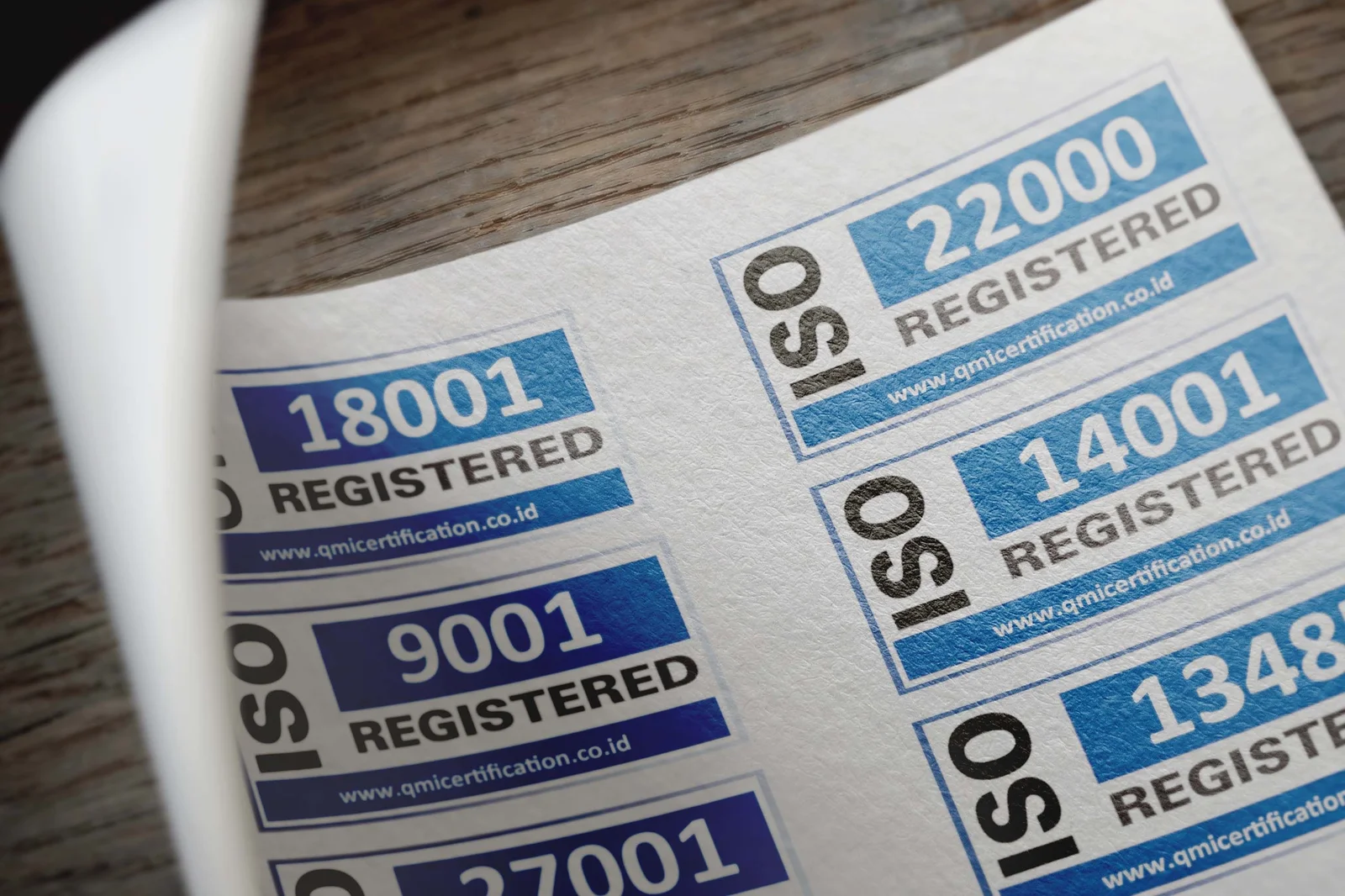
A management-system certificate may show how a factory operates, but it does not automatically prove that each product complies with destination-market law. Likewise, a laboratory report prepared for one standard or market may not cover another. Exporters should ask: Which regulation, standard, test method, model and production version does this evidence cover?
Define the product precisely
Compliance starts with a controlled product description. Record:
- Model, variants and intended use
- Target user, including whether children may use it
- Materials, coatings, ingredients or chemical composition
- Electrical ratings, batteries, radio functions or moving parts
- Food-contact, skin-contact or medical claims
- Accessories and components supplied with the product
- Packaging, instructions and promotional claims
A small change can alter the applicable requirements. Adding a wireless module, changing a plastic formulation, marketing an item for children or introducing food-contact use may move the product into a different regulatory pathway.
Identify the destination and sales channel
Requirements differ not only by country but sometimes by state, province, marketplace or institutional buyer. A distributor may also impose private specifications beyond the legal minimum. Define where the product will be imported, who will place it on the market and whether it is sold to consumers, professionals, foodservice operators or industrial users.
Use the market-screening framework in How to Choose the Best Export Markets for Your Products before investing in a destination. Tariffs may be low while testing, registration, recycling, language or responsible-party requirements make entry expensive.
Use the HS code as a starting point—not proof of compliance
The customs classification can help reveal tariffs, restrictions and import procedures. Follow How to Find the Correct HS Code for Export Products to establish a documented classification and then search the destination’s official trade and product-regulation sources.
However, two goods under a similar customs heading may face different technical rules because of intended use, user age, composition or claims. Customs classification and technical compliance should inform one another, but one does not replace the other.
Map the applicable requirements
Create a compliance matrix with one row for each obligation. Typical categories include:
- Product safety and performance
- Restricted substances and chemical limits
- Electrical, electromagnetic or radio requirements
- Food-contact migration or hygiene requirements
- Textile fibre content and care labelling
- Energy efficiency or environmental rules
- Packaging, recycling and producer-responsibility obligations
- Warnings, instructions and local-language requirements
- Registration, notification or importer obligations
- Traceability, batch identification and record retention
The matrix should identify the legal source, applicable standard, evidence required, responsible person, completion date and product version covered.
Understand mandatory and voluntary standards
Some standards are directly required or referenced by regulation. Others are voluntary but provide a recognized way to demonstrate safety or buyer acceptance. A retailer can require a voluntary test contractually even when the law does not.
Do not promise a standard merely because a competitor mentions it. Confirm the current edition, scope, product category and destination acceptance. A standard for domestic cookware may not cover commercial equipment; a test for a decorative item may not cover a toy marketed to children.
Testing must match the actual product
 Before commissioning tests, give the laboratory a complete product file and destination list. Confirm that the laboratory can perform the required method and that the buyer or authority will accept the report. The tested sample should represent the production model, materials and components that will be shipped.
A report loses value when the exporter later changes a coating, adhesive, supplier, electrical component or packaging claim without reviewing the effect. Link test reports to bills of materials and approved suppliers so the evidence remains traceable.
For product families, ask whether models can be grouped and what differences require separate testing. Grouping can reduce cost, but unsupported assumptions can leave important variants uncovered.
Do not misuse conformity marks
Marks and logos have specific scopes and conditions. For example, CE marking is not a universal quality badge and does not apply to every product sold in Europe. It is used only where relevant harmonized EU legislation requires it, and the manufacturer must complete the applicable conformity-assessment process before affixing it.
Other destinations use different marks, registrations or declarations. Never place a mark on packaging because a buyer requested it informally. Identify the legal basis, responsible party and evidence first.
Prepare the technical documentation
A useful technical file may contain:
- Product and model identification
- Design drawings and specifications
- Bill of materials and critical components
- Risk assessment
- Applicable regulations and standards
- Test reports and certificates
- Quality-control and inspection records
- Labels, warnings and instructions
- Supplier declarations and material evidence
- Declaration of conformity where applicable
- Traceability and complaint procedures
The file should be controlled by revision. A folder containing unrelated certificates is not a technical file unless the documents clearly connect to the product being exported.
Labels and instructions are part of the product
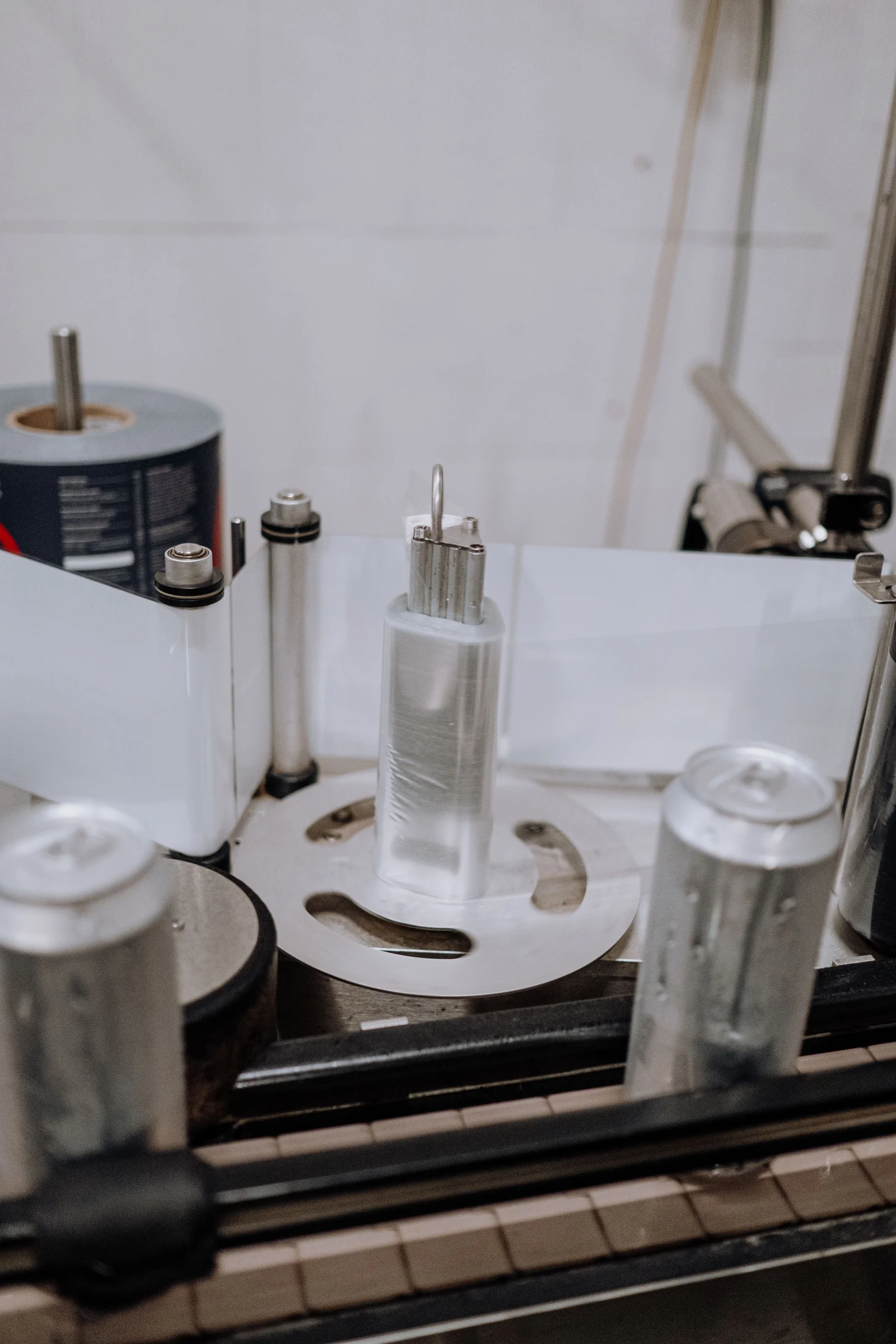 Many compliance failures occur after laboratory testing because the label, manual or online listing is incomplete. Check required manufacturer and importer details, model number, batch code, warnings, age restrictions, composition, country of origin, disposal symbols, language and instructions.
Claims also matter. Words such as “food safe,” “antibacterial,” “medical,” “fire resistant,” “organic,” “recycled” or “child safe” may trigger evidence or additional rules. Marketing teams should not add regulated claims after compliance review is finished.
Private-label projects need a written decision on whose name and address appear, who owns the reports, who maintains records and who handles corrective action. The commercial structures described in OEM, ODM and Private Label Export Explained for Manufacturers should include these responsibilities from the first sample stage.
Clarify the importer’s role
The exporter cannot assume the overseas buyer handles everything. Depending on the market and product, the importer may need to register, retain documents, verify markings, report incidents or provide a local economic operator. Ask the buyer to confirm its responsibilities in writing, but independently verify requirements that affect the exporter’s product or documents.
Be especially careful when offering DDP or marketplace fulfilment. The exporter may unintentionally take on importer-of-record or local compliance responsibilities that were not included in the price. Review Which Incoterm Should an Exporter Offer and How Should It Be Priced? before promising delivery terms.
Include compliance cost in the quotation
Testing, samples, factory audits, label translation, registrations, local representation and document maintenance are commercial costs. Decide whether they are:
- Included in the unit price;
- Charged as a one-time development fee;
- Shared with the buyer;
- Amortized over an agreed volume; or
- Paid separately before testing begins.
Use How to Calculate Export Prices: Costs, Margins, Freight and Incoterms to include these costs and How to Prepare an Export Quotation for International Buyers to state what is included, which market is covered and how long the supporting evidence remains applicable.
Control production after approval
 Passing a test sample is not the end of compliance. Production must continue to match the approved design. Establish incoming-material checks, approved supplier lists, in-process controls, final inspection and change approval for critical components.
If a supplier changes a formulation or component, pause and evaluate whether retesting or updated documentation is required. Keep batch and shipment records so affected goods can be identified if a complaint or recall occurs.
Monitor rules and product changes
Regulations, standards and official guidance can change. Assign responsibility for periodic review and subscribe to updates from destination authorities, industry bodies, laboratories and major customers. Review the compliance matrix before entering a new country even when the same product already sells elsewhere.
Product complaints, returns and inspection failures should feed back into risk assessment and design. A compliance system is strongest when it detects change early rather than collecting paperwork after a problem.
A practical pre-export compliance checklist
- Define the product, variants and intended use.
- Confirm the destination and sales channel.
- Verify customs classification.
- Identify product regulations and official requirements.
- Map standards, tests, labels and registrations.
- Assign manufacturer, importer and local responsibilities.
- Test a representative production design.
- Prepare controlled technical documentation.
- Approve labels, warnings and claims.
- Include compliance costs and lead time in the quotation.
- Control materials and production changes.
- Retain traceability records and monitor updates.
Exporters that complete this work before accepting the order can quote more accurately, avoid last-minute redesigns and build stronger buyer confidence. Compliance is not an attachment to the shipment; it is part of product development, market selection and commercial planning.