 International trade rarely fails because of one dramatic mistake. More often, problems begin with a small inconsistency: the wrong product description, an unverified HS code, an unclear Incoterm, missing packaging data, a certificate that was never requested, or documents that do not agree with one another.
This checklist is designed for both importers and exporters. Use it before an international shipment is booked and again before the cargo leaves the seller's control. It is not a substitute for country-specific customs, tax, product compliance or legal advice, but it gives trading partners a practical framework for catching common problems early.
If you are still choosing suppliers or preparing an order, start with the B2B Sourcing Hub for Manufacturers, Suppliers and Buyers hub. Exporters preparing for international sales can also use the Export Marketplace for Global B2B Trade hub.
The 25-Point International Shipment Checklist
Stage 1: Confirm the Transaction Before Production or Dispatch
Before anyone books freight, both sides should be able to answer the same basic questions about the transaction.
1. Verify the Legal Buyer and Seller Details
Confirm the legal company names, billing and shipping addresses, tax or registration details where required, and the people authorized to handle the order. Small naming differences between the quotation, purchase order, invoice, bank details and transport documents can create unnecessary questions later.
Exporters dealing with a new customer should also complete basic buyer due diligence before accepting significant credit or production exposure. See How to Verify an International Buyer Before Accepting an Export Order.
2. Freeze the Product Description and Specifications
The product description should be specific enough that the buyer, seller, freight forwarder and customs broker are all describing the same goods. Confirm model, grade, material, dimensions, composition, intended use and any other characteristics relevant to classification or compliance.
Avoid vague commercial descriptions such as "parts," "samples," "accessories" or "equipment" when a more precise description is available.
3. Confirm Quantity, Unit of Measure and Tolerances
Agree on pieces, sets, kilograms, meters, cartons or other units. If manufacturing tolerances or overrun allowances apply, record them before dispatch so the commercial invoice and packing list do not become a surprise.
4. Confirm the Final Commercial Price and Currency
The price used for the shipment should match the agreed commercial terms. Check unit price, total value, currency, discounts, tooling charges, packing charges and any separately invoiced items.
Exporters building a quotation can use How to Calculate Export Prices: Costs, Margins, Freight and Incoterms and How to Prepare an Export Quotation for International Buyers.
5. Confirm Payment Terms and Banking Instructions
Check the agreed method and timing of payment, including deposits, balance payments, letters of credit, documentary collections or open-account terms. Any last-minute change to beneficiary bank details should be independently verified using a trusted communication channel.
For a comparison of common methods, see Export Payment Methods Explained: Advance Payment, Letters of Credit, Collections and Open Account.
Stage 2: Classification, Origin and Regulatory Checks
 A shipment can be commercially correct and still face problems if the product is misclassified or fails destination requirements.
6. Verify the HS Classification
Confirm the Harmonized System classification using the actual product characteristics, not only a supplier's previous invoice or a keyword search. The World Customs Organization describes the HS as an international product nomenclature used as the basis for customs tariffs in more than 200 countries and economies.
FirmaPanel's practical classification workflow is available at How to Find the Correct HS Code for Export Products. For difficult products, consider obtaining an advance or binding ruling where the destination customs authority offers one.
7. Determine the Country of Origin
Country of origin is not always the same as the country from which the goods are shipped. Confirm the applicable origin rules, especially when preferential tariffs, free trade agreements, substantial transformation rules or regional content requirements may matter.
8. Check Import Restrictions and Prohibitions
The importer should verify whether the destination restricts, licenses, registers or prohibits the product. Requirements can depend on product type, composition, intended use, value, buyer category and origin.
9. Check Export Controls and Licensing Requirements
The exporter should verify whether the goods, technology, destination, end user or end use triggers export licensing or control requirements under the rules that apply to the transaction.
10. Confirm Product Compliance Requirements
Determine whether the destination requires testing, declarations, technical files, conformity marks, safety standards, food-contact rules, electrical approvals, chemical restrictions or other product-specific compliance steps.
A structured workflow is available in Product Compliance for Exporters: How to Check Requirements Before Entering a Market.
11. Confirm Labeling and Marking Requirements
Check product labels, retail labels, carton marks, country-of-origin markings, warnings, language requirements, batch or lot identification and any mandatory importer information before the goods are packed.
Stage 3: Agree on Delivery Responsibilities
12. State the Incoterm and Named Place Precisely
Do not write only "FOB," "FCA," "CIF" or "DAP." Record the chosen Incoterm together with the named place or port and the agreed Incoterms version. The named place is critical because it helps define where particular delivery responsibilities and costs apply.
Importers can compare practical options in Incoterms 2020 Explained for Importers: FCA, CPT, CIP, FOB, CIF, DAP and DDP and Which Incoterm Should an Importer Request?. Exporters can use Which Incoterm Should an Exporter Offer and How Should It Be Priced?.
13. Confirm Who Books the Main Carriage
Identify who will book the freight forwarder, carrier or courier. Confirm the mode of transport, planned route, service level, cut-off dates and whether transshipment is expected.
14. Confirm Who Handles Export and Import Customs Formalities
Both sides should know who is responsible for export clearance, import clearance, customs brokerage, permits and the information required by each broker. Do not assume the freight forwarder automatically owns every customs responsibility.
15. Estimate Duties, Taxes and Destination Charges
The importer should estimate customs duty, VAT or GST, excise where relevant, brokerage, port or terminal charges, inspection costs and inland delivery before approving the landed cost of the order.
16. Confirm Cargo Insurance
Identify whether cargo insurance is included, required by the Incoterm, arranged separately or intentionally omitted. Check the insured value, scope of cover, exclusions and the procedure for documenting a claim.
Stage 4: Packaging and Cargo Readiness
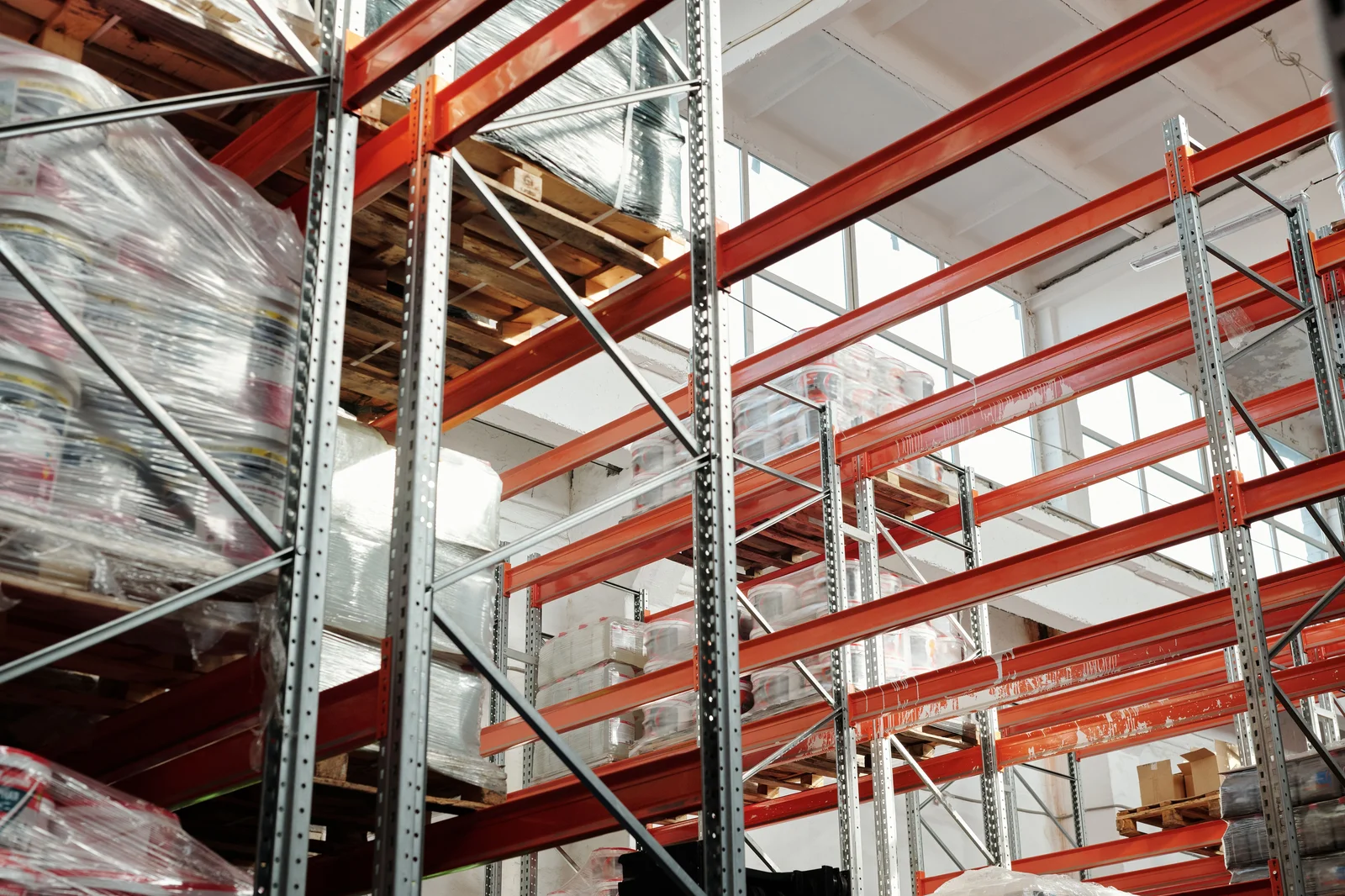
 Packaging should protect the goods against the actual transport environment, including stacking, vibration, humidity, repeated handling and long storage periods where applicable. Export cartons, pallets and crates should be selected for the product and transport mode rather than copied from domestic distribution.
17. Confirm Export Packaging Is Suitable for the Journey
For a deeper packaging review, use Export Packaging Guide: Cartons, Pallets, Containers and Damage Prevention.
18. Confirm Package Count, Dimensions and Weights
Record the number of cartons, crates, drums, pallets or other packages. Verify net weight, gross weight and dimensions after final packing rather than relying only on estimates from the quotation stage.
These figures influence freight cost, carrier bookings, handling and the packing list.
19. Check Pallet and Wood-Packaging Requirements
If wooden pallets, crates or dunnage are used, verify whether phytosanitary treatment and marking requirements apply to the destination. Do this before loading, not after the shipment reaches a border.
20. Check Dangerous Goods or Special Handling Status
Determine whether batteries, chemicals, aerosols, magnets, liquids, temperature-sensitive products or other goods need dangerous-goods declarations, special packaging, labels, documentation or carrier approval.
Stage 5: Prepare and Cross-Check Shipment Documents
The U.S. International Trade Administration lists the commercial invoice and packing list among common export documents and notes that customs authorities may use them when examining cargo and determining duties. The WTO Trade Facilitation Agreement also explicitly refers to information such as commercial invoices, packing lists, certificates of origin and bills of lading in customs cooperation procedures.
21. Prepare the Commercial Invoice
The commercial invoice should reflect the real transaction and contain the information required by the destination. Common fields include buyer and seller details, goods description, quantities, values, currency, origin information and delivery terms.
22. Prepare the Packing List
The packing list should show how the shipment is physically packed. It commonly includes package counts, contents, marks, dimensions, net weight and gross weight. It should support, not contradict, the commercial invoice.
23. Confirm Certificates and Supporting Documents
Depending on the product and destination, the shipment may require a certificate of origin, inspection certificate, conformity document, health or phytosanitary certificate, fumigation evidence, insurance certificate, license or other supporting document.
Use Export Documentation Checklist: Invoices, Packing Lists and Shipping Documents for a document-focused review.
24. Verify Transport-Document Instructions
Before the carrier issues the bill of lading, sea waybill, air waybill or other transport document, verify shipper, consignee, notify party, ports or airports, cargo description, package count, weight and any required references.
Stage 6: Perform the Final Consistency Check
25. Compare Every Critical Data Point Across All Documents
This final check is one of the simplest and most valuable controls in an international shipment.
Compare at least:
- Buyer and seller names
- Consignee and notify-party details
- Product description
- HS code where shown
- Quantity and unit of measure
- Country of origin
- Invoice number and date
- Currency and value
- Incoterm and named place
- Number and type of packages
- Net and gross weight
- Shipping marks
- Container or seal details when applicable
- Certificate references
- Transport-document instructions
If the commercial invoice says 480 cartons, the packing list says 500 cartons and the booking says 490 cartons, the problem should be solved before cargo moves.
A Simple Pre-Shipment Approval Workflow
For repeat international orders, turn this checklist into an internal approval process.
Commercial check: buyer, seller, product, quantity, price, currency and payment terms.
Compliance check: HS classification, origin, import and export requirements, product compliance and labels.
Logistics check: Incoterm, named place, freight booking, customs responsibilities, insurance and destination charges.
Cargo check: packaging, package count, dimensions, weights and special handling.
Document check: invoice, packing list, certificates and transport instructions all agree.
A shipment should move only when the responsible people can clearly identify and resolve any exceptions.
Importer Checklist Before Approving Dispatch
Importers should pay particular attention to classification, destination compliance, landed cost, import permits, Incoterm responsibilities, document requirements and the accuracy of consignee information. If you are comparing multiple suppliers before reaching this stage, How to Get Quotes from Suppliers Online: A Step-by-Step RFQ Guide explains how to structure an RFQ so quotations are easier to compare.
Exporter Checklist Before Releasing Cargo
Exporters should focus on buyer verification, payment status, export controls, product compliance, packaging, document accuracy and whether the shipment matches the quotation and purchase order. New exporters can use Start Exporting and Sell Your Products Abroad as a broader starting point.
Why the Checklist Should Be Completed Before Cargo Moves
The World Trade Organization's Trade Facilitation Agreement emphasizes access to import and export procedures, required documents, classification rules, origin rules, restrictions, duties and taxes. It also promotes pre-arrival processing so information can be submitted before goods arrive. In practical terms, that reinforces a simple lesson for traders: the best time to resolve a documentation or compliance problem is before the shipment reaches the border.
Official References
For country-specific requirements, always verify information with the relevant customs, trade, standards and regulatory authorities. Useful general references include the World Trade Organization Trade Facilitation Agreement, the World Customs Organization overview of the Harmonized System, and the U.S. International Trade Administration guide to common export documents.
Keep This Checklist With Every International Order
International shipments involve multiple parties, systems and documents. The goal is not to eliminate every possible risk with one list. The goal is to catch avoidable mistakes while they are still inexpensive to correct.
Before cargo moves, verify the transaction, classification, origin, compliance, Incoterm, freight responsibilities, packaging, insurance, documents and data consistency. Then keep the completed checklist with the shipment record so the next order becomes easier to manage.
If you are looking for new international suppliers, explore the B2B Sourcing Hub for Manufacturers, Suppliers and Buyers hub. Manufacturers and suppliers seeking international buyers can begin with Find International Buyers for Your Export Products or the Global B2B Marketplace for Manufacturers and Suppliers guide.