Should You Use DDP When Importing from China?
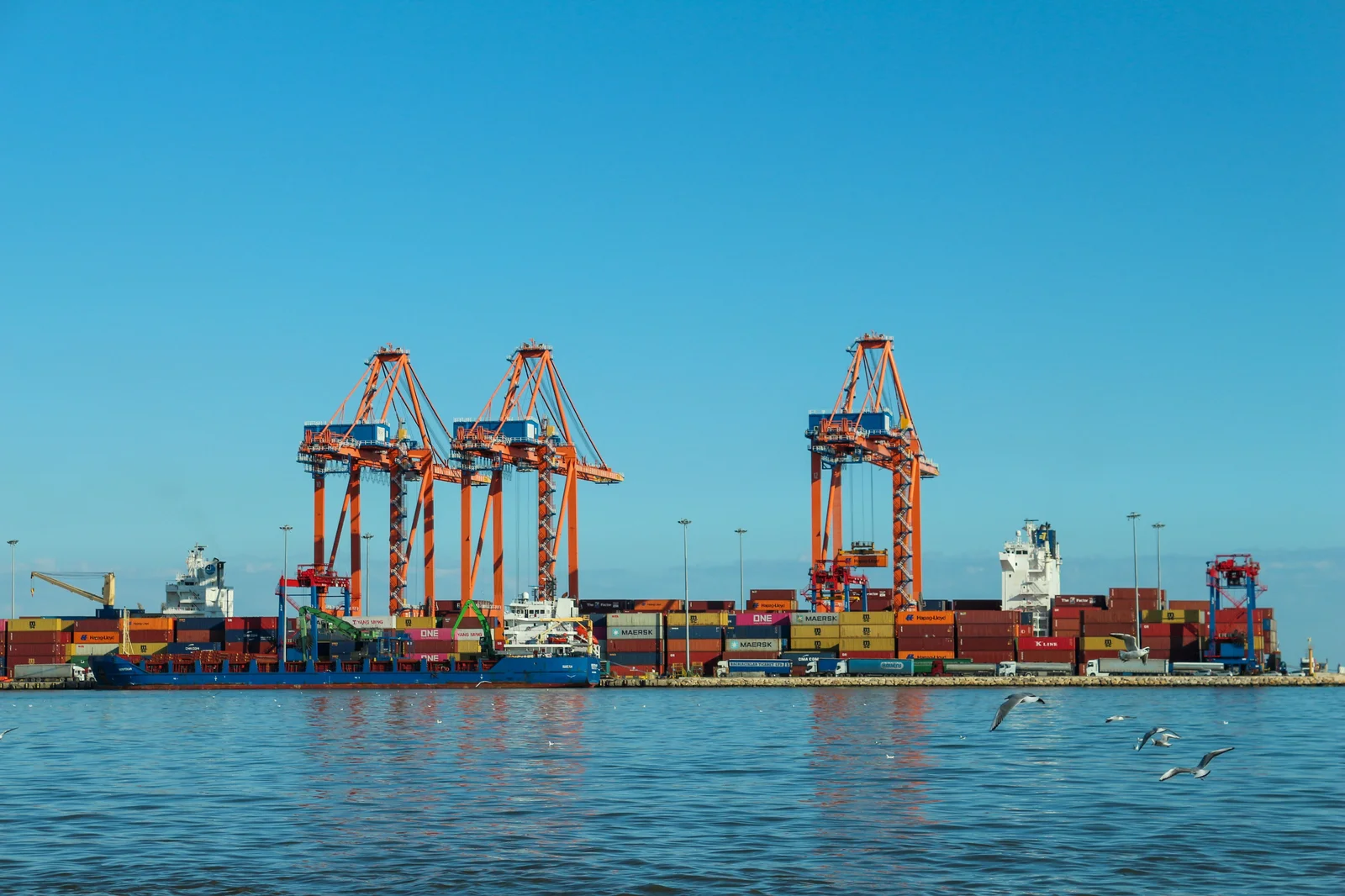
DDP can look like the easiest way to buy from China. The supplier gives you one delivered price, arranges international freight, handles import customs formalities, pays applicable duties and taxes, and delivers the goods to the named destination ready for unloading. For an importer who wants a predictable landed cost, that sounds ideal.
But DDP is not automatically the safest Incoterm for every shipment. The convenience only works when the seller can legally and transparently complete the import process in your country. If customs clearance, tax registration, product compliance or destination charges are handled poorly, a supposedly simple DDP shipment can create accounting problems, delays, unexpected charges or uncertainty about who actually imported the goods.
This guide explains when DDP shipping from China makes commercial sense, what buyers should verify before accepting a DDP quotation, and when another term such as DAP or FCA may provide better control. For a broader explanation of delivery terms, see Incoterms 2020 Explained for Importers: FCA, CPT, CIP, FOB, CIF, DAP and DDP.
What DDP Means for an Importer
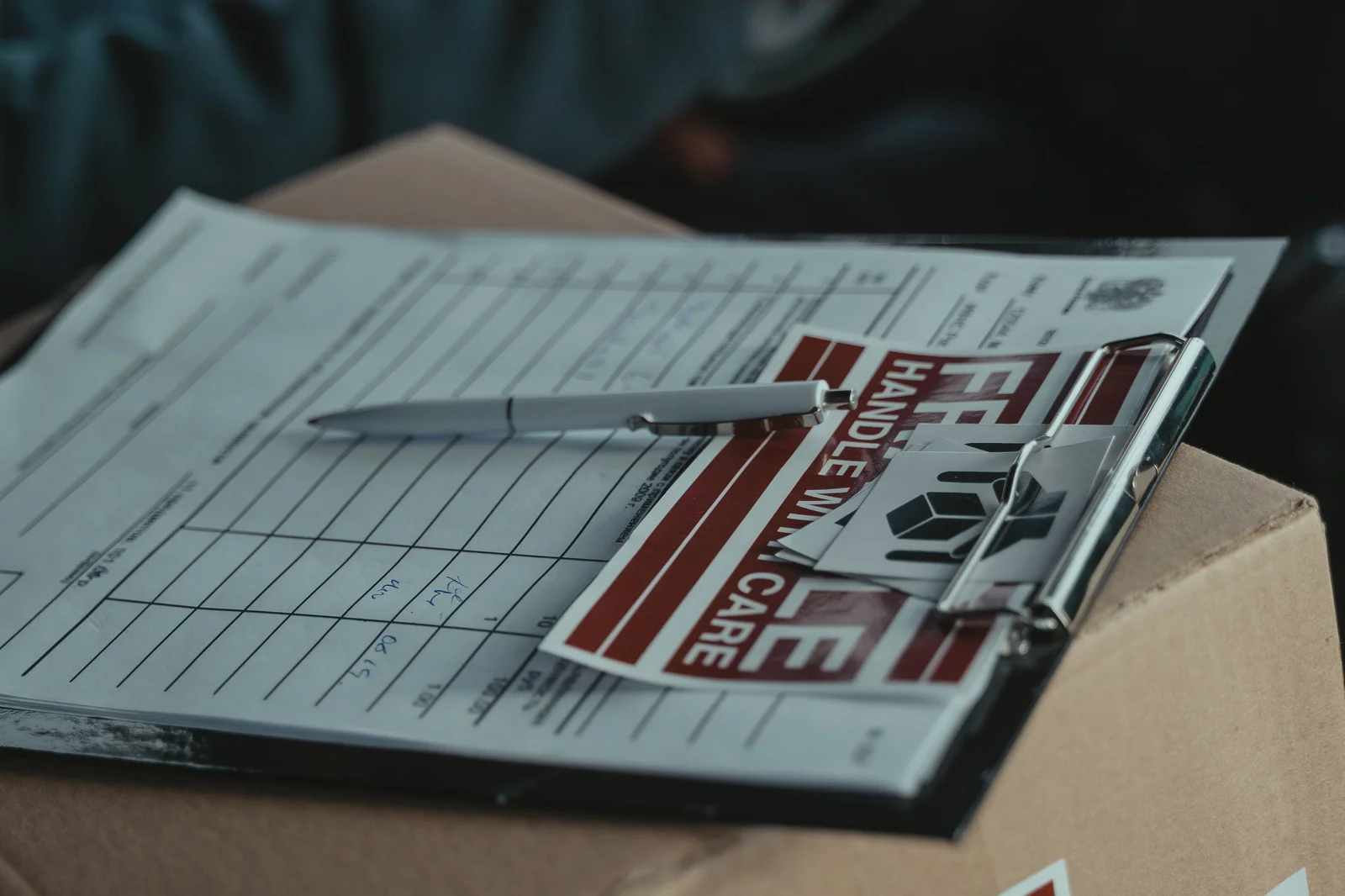
Under DDP, or Delivered Duty Paid, the seller has a very broad set of responsibilities. The seller arranges transport to the named destination, completes export formalities, clears the goods for import and pays the import duties and applicable taxes that fall within the seller's obligations. Delivery takes place when the goods are placed at the buyer's disposal on the arriving means of transport, cleared for import and ready for unloading at the named place.
The buyer therefore receives a shipment that should already have passed through the main import process. This differs from DAP, where the seller transports the goods to the destination but the buyer normally handles import clearance and import duties and taxes. The practical difference is important because customs control, tax documentation and importer-of-record responsibilities can affect much more than the freight price.
DDP can be used for road, rail, air, sea or multimodal transport. The named destination should be precise. A quotation that merely says "DDP Germany" or "DDP USA" is incomplete for practical planning. Buyers should request a specific warehouse, terminal, city or delivery address and confirm whether any final-mile restrictions or accessorial charges are excluded.
Why DDP from China Is Attractive to Buyers
For small and medium-sized importers, DDP can reduce the number of parties they need to coordinate. Instead of separately arranging a freight forwarder, customs broker, duty payment and local delivery, the buyer receives one commercial offer from the supplier. This can be useful for first orders, samples, smaller commercial shipments or products where the supplier already has a reliable logistics arrangement for the destination market.
DDP can also make supplier quotations easier to compare at first glance. If three Chinese suppliers quote the same product on the same DDP destination, the buyer can compare a delivered figure rather than combining EXW or FOB product prices with separate freight estimates. However, the offers are only comparable if the specifications, duties, taxes, delivery point and excluded charges are genuinely equivalent. Three Suppliers Quote the Same Product: Which Offer Is Actually the Best? explains how to normalize supplier quotations before selecting the lowest apparent price.
Another advantage is budget predictability. When the DDP quote is correctly structured, the buyer knows the expected cost to bring the goods to the agreed destination. That can be particularly valuable when a procurement team is evaluating a new product and does not yet have established freight contracts or customs processes.
The Biggest DDP Risk: Import Clearance Must Actually Work
The most important question is not whether the Chinese supplier is willing to write "DDP" on a quotation. The real question is whether the seller and its logistics partners can legally complete import clearance in the destination country and provide a clear documentary trail.
Import rules differ by jurisdiction. Depending on the country and product, a foreign seller may need registrations, a local representative, tax identification, an importer-of-record arrangement, a customs broker or other formalities before it can properly satisfy the import obligations associated with DDP. Buyers should not assume that a supplier's experience shipping parcels internationally means it can correctly manage a commercial import in every destination.
Ask who will be shown as importer on the customs declaration, which broker will clear the shipment, how duties and taxes will be paid, and which customs documents the buyer will receive after clearance. If the answers are vague, the DDP price may be hiding a process the buyer cannot properly verify.
This is especially important when the buyer needs import records for accounting, VAT or sales-tax treatment, product traceability, audit purposes or future regulatory questions. A shipment arriving successfully does not by itself prove that the import structure was appropriate for the buyer's business.
Watch for DDP Prices That Look Too Cheap
A DDP offer should include substantial responsibilities beyond the factory price. The supplier is taking responsibility for export handling, international transport, destination handling, import clearance, applicable duties and taxes, and delivery to the named place. If a DDP price is only slightly above an EXW or FOB quotation, buyers should understand exactly how the landed figure was calculated.
Request a cost explanation rather than relying on a single total. You do not necessarily need the supplier's private freight contract rates, but you should understand which major cost categories are included. Confirm the customs value basis, HS classification used for the estimate, duty rate, tax treatment, destination charges and final delivery scope.
Never encourage undervaluation, incorrect HS classification or inaccurate product descriptions to make a DDP price cheaper. Those practices can create customs penalties, seizure risk, reassessment of duties and documentation problems. The commercial invoice and customs declaration should accurately describe the transaction and goods.
DDP vs DAP and FCA When Buying from China
DDP is strongest on convenience. DAP gives the buyer more control over import clearance because the seller brings the goods to the named destination while the buyer normally completes the import process. FCA shifts transport responsibility earlier and can give experienced importers greater control over freight, carrier selection and origin-to-destination logistics.
For buyers with an established customs broker and freight forwarder, DAP or FCA can sometimes be easier to audit because the buyer controls the import declaration and receives the customs documentation directly through its own service providers. For buyers without those capabilities, a properly structured DDP offer can reduce administrative work.
The right choice therefore depends less on which Incoterm sounds easier and more on which party is best equipped to manage the relevant part of the transaction. Our DDP vs DAP: Which Is Better for International Buyers? guide compares the two destination terms in more detail.
When DDP from China Can Make Sense

DDP can be a practical choice when the supplier has a proven shipping process for your country, uses identifiable and reputable logistics partners, can explain how import clearance will be completed, and provides documentation that matches your accounting and compliance needs.
It can also work well when the buyer wants a genuinely delivered commercial price for a smaller order and the product is straightforward to import. If the goods are not heavily regulated, the customs classification is clear and the supplier has repeatedly shipped the same type of product to the destination market, the operational risk may be manageable.
Another reasonable use is quotation benchmarking. A buyer can request both FCA or FOB and DDP pricing from the same supplier to understand the supplier's delivered-cost option. The buyer can then compare that DDP figure with its own forwarder's freight and customs estimate rather than accepting the delivered offer automatically.
When You Should Be Cautious About DDP
Buyers should be more cautious when importing regulated products, high-value machinery, goods requiring certificates or market-specific registrations, shipments with uncertain HS classification, or products subject to anti-dumping duties, quotas, licensing or other special import measures. In these cases, customs and compliance decisions may be too important to delegate without detailed verification.
DDP also deserves scrutiny when the supplier refuses to identify the logistics provider or customs broker, cannot explain who acts as importer, will not provide post-clearance documents, or insists that the shipment must use an unusual route without a clear commercial reason.
For repeat importers, control can matter more than convenience. If your company already has negotiated freight rates, a trusted customs broker and established import procedures, allowing the supplier to control the entire logistics chain may reduce transparency and make exception handling more difficult.
How to Request a Proper DDP Quote from a Chinese Supplier
A strong DDP request should specify more than the product and destination country. Give the exact delivery point, product description, quantity, packaging assumptions and expected shipment date. Ask the supplier to state the Incoterm as "DDP [named place], Incoterms® 2020" so both sides are working from the same delivery point and rules.
Request confirmation that the quotation includes international freight, export clearance, destination handling, import customs clearance, applicable duties and taxes, and delivery to the named place. Ask separately about unloading, storage, demurrage, failed-delivery fees, remote-area surcharges or other exceptional costs that may not be included.
You should also request the normal company and product documentation needed to evaluate a new supplier before making a significant payment. Which Documents Should You Ask a New Supplier to Provide? provides a structured list of company, banking, compliance, quality and shipping documents to check.
Buyer Checklist Before Accepting DDP from China
- Is the exact DDP delivery place written in the quotation?
- Does the quotation reference Incoterms® 2020?
- Who will act as importer or importer of record in the destination country?
- Which customs broker or logistics provider will complete import clearance?
- Are import duties and applicable taxes clearly included?
- Which HS code and customs value assumptions were used?
- Will the buyer receive customs clearance and duty or tax documentation?
- Are destination handling and final-mile delivery included?
- Are unloading, storage, demurrage and exceptional delivery charges excluded or included?
- Does the product require special certificates, registrations, testing or import permits?
- Is the DDP price commercially realistic compared with FCA, FOB or DAP alternatives?
- Does the payment schedule leave enough control for the buyer if the shipment cannot be cleared as promised?
Sourcing Notes
DDP from China is not inherently good or bad. It is a high-responsibility delivery arrangement that can be very convenient when the seller has a legitimate, transparent import process and the buyer understands what is included. The problem begins when "DDP" is treated as a shortcut instead of a defined allocation of transport, customs, cost and risk responsibilities.
For a first transaction, compare the DDP offer with at least one alternative such as DAP or FCA, verify the import structure before payment, and make sure the commercial invoice, product description, customs value and clearance documents will be accurate. The cheapest delivered quotation is only useful when the shipment can enter the destination market correctly and the buyer receives the documentation needed to support the transaction.