DDP vs DAP: Which Is Better for International Buyers?

DDP and DAP can look very similar in a supplier quotation because both terms can bring the goods close to the buyer's premises or another named destination. The important difference appears at import customs. Under DAP, the seller arranges transport to the named place, while the buyer handles import clearance and pays the applicable import duties and taxes. Under DDP, the seller also takes responsibility for import clearance and the associated duties and taxes.
For an international buyer, that difference affects much more than convenience. It can change landed-cost visibility, customs control, tax treatment, shipment delays, supplier risk and even whether the agreed Incoterm can be used legally in the destination country.
Neither term is automatically better. DDP can simplify purchasing when the seller can genuinely manage destination-country import requirements. DAP can give an experienced importer more control and may avoid problems when local law or tax rules make seller-managed import clearance difficult.
What DAP Means for the Buyer
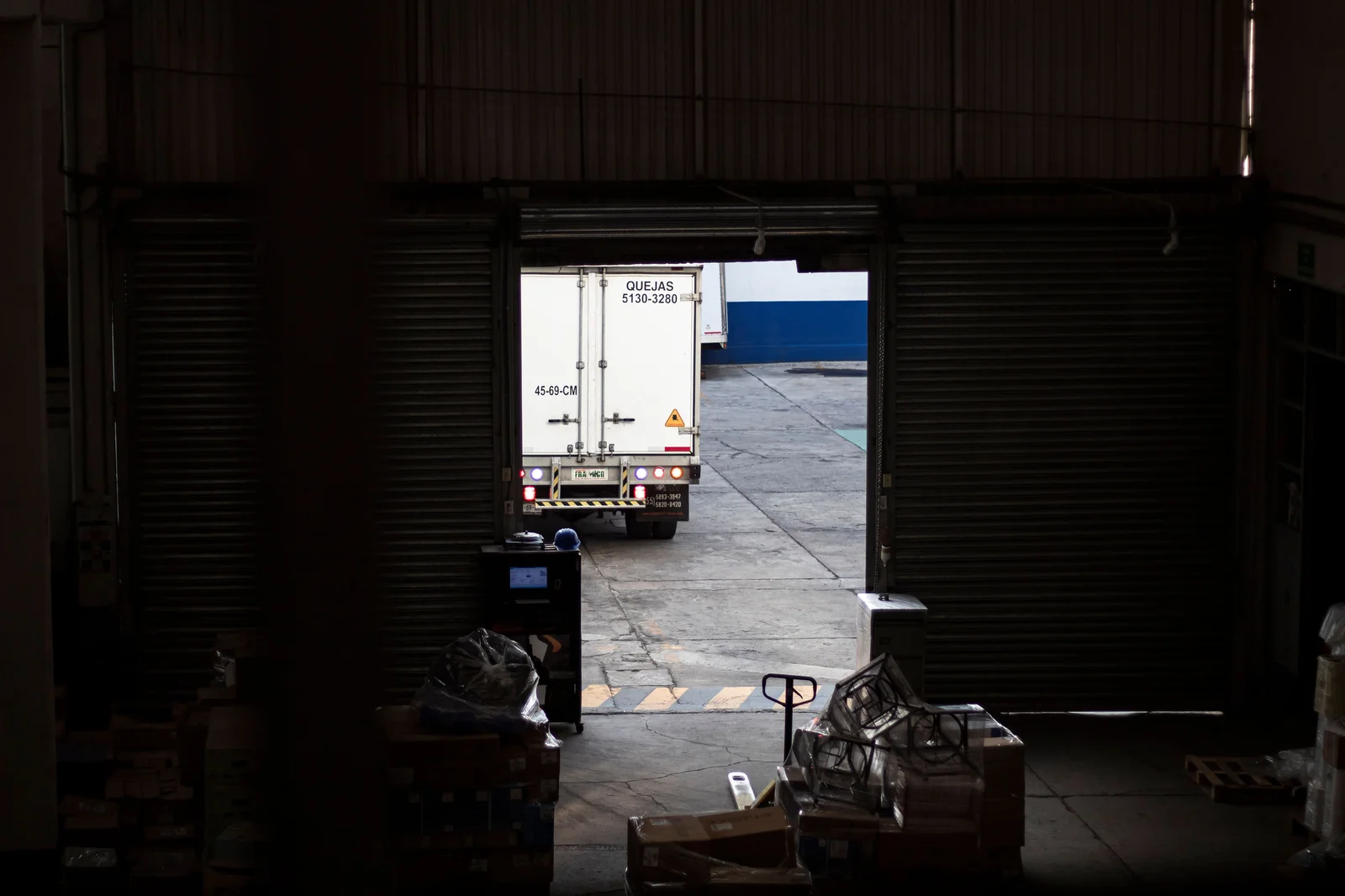
DAP means Delivered at Place. The seller is responsible for arranging and paying for transport to the named destination and carries the transport risk until the goods are placed at the buyer's disposal on the arriving means of transport, ready for unloading. The named place should be written precisely in the contract or quotation because it defines where delivery occurs.
The buyer is responsible for import customs clearance. That normally means providing the information required by customs, acting as or appointing the importer of record where applicable, paying import duty, import VAT or similar taxes, and dealing with local customs procedures.
The buyer is also normally responsible for unloading at the named destination. If unloading services are included in the seller's transport contract, the commercial parties should still understand that DAP itself does not make unloading the seller's delivery obligation.
For buyers that already have a customs broker, local import registration and established procedures, DAP can be straightforward. The seller controls the international transport to the agreed destination, while the buyer keeps control of the import entry and local tax treatment.
What DDP Means for the Buyer
DDP means Delivered Duty Paid. Like DAP, the seller arranges delivery to the named destination and carries risk until the goods are made available there, ready for unloading. The major difference is that the seller must also complete import customs clearance and bear the import duties and taxes required under the sale.
From the buyer's perspective, DDP can appear close to a door-delivered purchase. Instead of separately coordinating a customs broker and paying import charges when the shipment arrives, the buyer receives a price in which those responsibilities are intended to sit with the seller.
This can make budgeting easier when the seller has a reliable destination-country logistics setup and the DDP price genuinely includes the relevant charges. However, buyers should not assume that every supplier offering DDP has the legal, tax and operational ability to complete the import correctly.
The Main Difference Is Import Customs Clearance

For most buyers comparing DAP and DDP, import clearance is the deciding issue. Under DAP, the buyer controls the import declaration and pays the import charges. Under DDP, those obligations shift to the seller.
This distinction matters because customs clearance is not merely a freight activity. It can require an importer registration, tax number, product permits, conformity documents, local representation or other destination-specific requirements. A foreign supplier may not automatically be allowed to act as the importer in every country.
That is why a DDP quotation should be checked more carefully than simply asking whether freight and duty are included. The buyer should understand who will actually appear on the import declaration, which customs broker will be used, how import VAT or similar taxes will be handled, and whether the seller is permitted to perform those activities.
For a broader overview of how delivery terms divide freight, customs responsibilities and risk, see Incoterms 2020 Explained for Importers: FCA, CPT, CIP, FOB, CIF, DAP and DDP.
Risk Transfer Is Similar Under DAP and DDP
Buyers sometimes assume DDP means the seller carries risk longer than under DAP because the seller has more customs responsibility. That is not the main difference between these two terms.
Under both DAP and DDP, delivery and risk transfer occur at the named destination when the goods are placed at the buyer's disposal on the arriving means of transport, ready for unloading. The import-clearance obligation differs, but the basic delivery point is structurally similar.
This is important when reviewing cargo damage or loss. A buyer should not use the fact that DDP includes import customs responsibility to assume that the seller also carries risk through unloading or after the agreed delivery point.
DDP Can Make the Purchase Price Easier to Understand

One attraction of DDP is price simplicity. A buyer may receive one quotation covering the product, export formalities, international freight, destination transport, import customs clearance, duties and taxes up to the named place.
That can make supplier quotations easier to budget, particularly for a buyer that does not import frequently. It may also reduce the number of separate service providers the buyer needs to coordinate.
But a DDP price is only useful when its scope is clear. Buyers should confirm whether the supplier's quotation includes every destination charge that can reasonably arise. Terms such as customs brokerage, terminal charges, examination fees, storage, demurrage, special permits and remote-area delivery can materially affect the final cost.
A supplier may quote DDP competitively while making assumptions that later prove incorrect. If the customs classification, product value, duty rate or tax treatment is wrong, the shipment can create disputes even though the commercial term itself says DDP.
DAP Gives the Buyer More Customs Control
DAP is often attractive to experienced importers because the buyer keeps control of the import process. The buyer can use its own customs broker, confirm the tariff classification, manage import licences, use available duty relief programs and control the information declared to customs.
This control can be important for companies that import regularly. Customs records are part of the buyer's compliance history, and incorrect declarations can create consequences after the shipment has been delivered. A buyer may therefore prefer to control its own import entry instead of allowing a foreign supplier or an unfamiliar broker to manage it.
DAP can also make import taxes more transparent. Instead of accepting a seller's bundled DDP figure, the buyer sees the product and transport cost separately from duties and local taxes. That can be useful when comparing suppliers or analysing landed cost.
DDP Is Not Always Legally or Practically Possible

The strongest reason not to accept DDP automatically is that the seller may not be able to complete import clearance in the destination country. Some customs systems require a locally established importer, local tax registration or another form of representation that an overseas supplier does not have.
Import VAT or GST can create another problem. A seller may pay tax at import but have no practical mechanism to recover it, or the transaction may require registrations and invoicing treatment that the seller has not arranged. In other cases, the buyer may need to be the importer for regulatory, accounting or product-compliance reasons.
If the seller cannot legally perform the DDP obligations, writing DDP on the commercial invoice does not solve the problem. The shipment may arrive with no valid importer available, creating customs delays, storage costs or an urgent request for the buyer to take over clearance.
This is why DAP can be the cleaner choice when the buyer is already established as the importer and the seller has no destination-country import structure.
Be Careful With DDP Quotations That Exclude Taxes
A quotation described as "DDP excluding VAT" or "DDP excluding duty" deserves clarification. DDP is intended to place import-clearance duties, taxes and related responsibilities on the seller. If major import charges are excluded, the commercial arrangement may no longer match what the buyer expects from DDP.
Rather than relying on an improvised label, the parties should define the commercial structure clearly and choose the Incoterm that reflects the intended responsibilities. A buyer that will pay import duty and taxes itself may find DAP a clearer basis, depending on the exact transaction.
The named destination must also be precise. "DDP Germany" or "DAP warehouse" is less useful than a specific address, terminal or agreed delivery point. Small wording differences can affect local transport cost and operational responsibility.
Which Term Gives Better Landed-Cost Visibility?
DDP can provide a convenient all-in figure before the shipment moves, but the buyer depends heavily on the seller's assumptions. If the supplier has accurately classified the product, identified the correct duty rate and included destination charges, DDP can offer excellent budget visibility.
DAP gives the buyer more direct visibility into the import side. The buyer can obtain its own customs estimate and separate import charges from the supplier's product and transport price. For procurement teams that compare several international suppliers, this can make cost analysis more transparent.
When comparing quotations, buyers should avoid comparing a DDP price directly with a DAP price without normalizing the missing costs. Add expected duty, tax, customs-broker charges and any destination handling to the DAP quotation before deciding which supplier is actually cheaper.
Who Should Arrange the Customs Broker?

Under DAP, the buyer normally appoints the customs broker for import clearance. This can be a major advantage when the buyer already works with a broker that understands its products, classifications, permits and compliance history.
Under DDP, the seller must ensure import clearance is completed. The seller may use a freight forwarder or customs broker in the destination country, but the buyer should still know who that party is and what information may be requested.
A buyer should be cautious if the supplier cannot explain how the import will be cleared. Statements such as "our forwarder handles everything" are not a substitute for knowing the importer-of-record structure, customs broker and tax treatment.
This is especially important for regulated goods, products requiring conformity documents or shipments that may be inspected. If the seller's destination process is weak, the convenience promised by DDP can quickly turn into a clearance delay.
When DDP Is Usually More Attractive
DDP can be attractive when the seller has an established destination-country structure and the buyer wants a simple delivered purchase. It may suit smaller or less frequent importers that do not have their own customs process, provided the seller can perform every DDP obligation correctly.
It can also work well when a supplier regularly ships the same products to the same market, understands the tariff classification and import requirements, and uses a reliable local broker or entity. In that situation, the seller may be able to quote a predictable delivered cost and manage the shipment efficiently.
The buyer should still verify the scope of the price, the named place, importer arrangements and any charges that could fall outside the seller's quotation.
When DAP Is Usually More Attractive
DAP is often the stronger choice when the buyer is an experienced importer and wants direct control over customs clearance. It may also be preferable when the buyer has favourable broker rates, uses customs authorizations, needs control over import VAT recovery or operates under internal compliance procedures.
DAP can also reduce uncertainty when the foreign seller cannot act as importer in the destination country. Instead of creating an artificial DDP structure, the seller delivers to the agreed place and the established local buyer performs the import formalities.
Buyers choosing among multiple Incoterms can also use Which Incoterm Should an Importer Request? to compare the wider trade-offs between freight control, customs responsibility and supplier pricing.
Questions to Ask Before Accepting DDP
Before accepting a DDP quotation, confirm who will act as importer of record, who the destination customs broker will be, whether the seller has any required local registration, and exactly which duties and taxes are included.
You should also confirm the tariff classification used for the quotation, the named delivery place, whether unloading is included commercially, and what happens if customs reassesses the duty or requests additional documents.
If the supplier cannot answer those questions clearly, a DAP structure with buyer-controlled import clearance may be safer and easier to administer.
Questions to Ask Before Accepting DAP
With DAP, the buyer should confirm that its own import process is ready before shipment. Check that the company can act as importer, that any product licences or conformity documents are available, and that the customs broker has the commercial invoice, packing list, transport information and product details needed for clearance.
The buyer should also estimate import duty, taxes and local clearance charges before comparing the DAP quotation with other offers. A low DAP price can look attractive until the destination costs are added.
DDP vs DAP: Which Is Better?
DDP is better when the seller can genuinely manage destination import clearance and the buyer values a more inclusive delivered price. DAP is better when the buyer wants customs control, already has an import structure, or the seller cannot legally or efficiently act as the importing party.
For many experienced importers, DAP offers a clean division of responsibility: the supplier manages transport to the agreed destination, while the buyer manages the customs process it understands best. For less experienced buyers, a properly structured DDP offer can reduce operational work, but only if the seller's destination-country setup is reliable.
The decision should therefore be based on more than which quotation looks easiest. Buyers should compare customs capability, legal feasibility, tax treatment, landed cost, broker control and the exact named destination before choosing between DDP and DAP.