7 Incoterms Mistakes That Can Make an International Shipment More Expensive
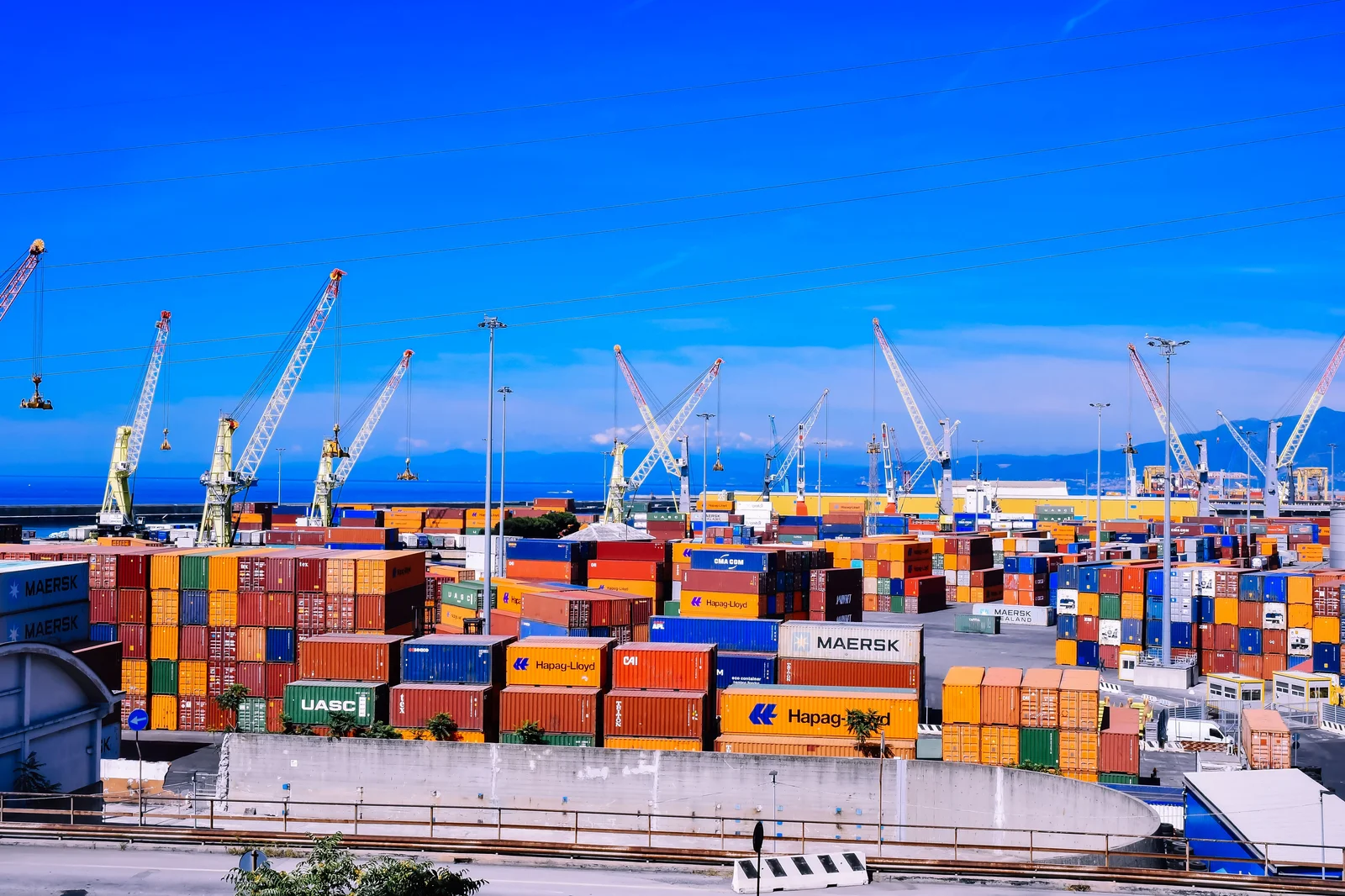
Incoterms can make an international quotation look simple: EXW, FCA, FOB, CIF, DAP or another three-letter term appears next to the price, and both sides assume the responsibilities are clear. The problem is that a short Incoterm can hide a long list of costs, handover points and risks.
For importers, the wrong interpretation can create unexpected origin charges, terminal fees, inland transport, insurance gaps, customs costs, demurrage, storage or duplicated freight. In some cases, the supplier and buyer may both believe the other party is responsible for the same step until the shipment is already moving.
Incoterms do not replace a complete sales contract, quotation or logistics plan. They define important responsibilities between seller and buyer, but they must be used with a named place and understood in the context of the actual transport route.
If you need a broader reference first, see our Incoterms 2020 Explained for Importers: FCA, CPT, CIP, FOB, CIF, DAP and DDP guide. The mistakes below focus specifically on situations that can make an otherwise competitive international purchase more expensive.
Mistake 1: Comparing Supplier Prices Without Normalizing the Incoterm
A common sourcing mistake is to compare two quotations only by unit price even though the delivery terms are different.
Supplier A may quote USD 10.00 EXW while Supplier B quotes USD 10.80 FCA. At first glance, Supplier A looks cheaper. But the EXW quotation may leave the buyer responsible for pickup from the factory, export-side handling, local transport and other origin costs that Supplier B has already included.
The same problem appears when buyers compare FOB, CIF, DAP or other terms without separating the included cost components.
Before selecting the lowest quotation, compare offers on the same commercial basis. Ask each supplier to state:
- The exact Incoterm and named place.
- Which inland transport costs are included.
- Which terminal or port charges are included.
- Who handles export customs clearance.
- Whether main freight is included.
- Whether insurance is included and, if so, what coverage applies.
- Which costs remain payable at destination.
A well-structured RFQ reduces this confusion before prices arrive. Our How to Get Quotes from Suppliers Online: A Step-by-Step RFQ Guide guide explains how to request supplier quotations in a format that is easier to compare.
Mistake 2: Using FOB for Container Shipments Without Understanding the Handover
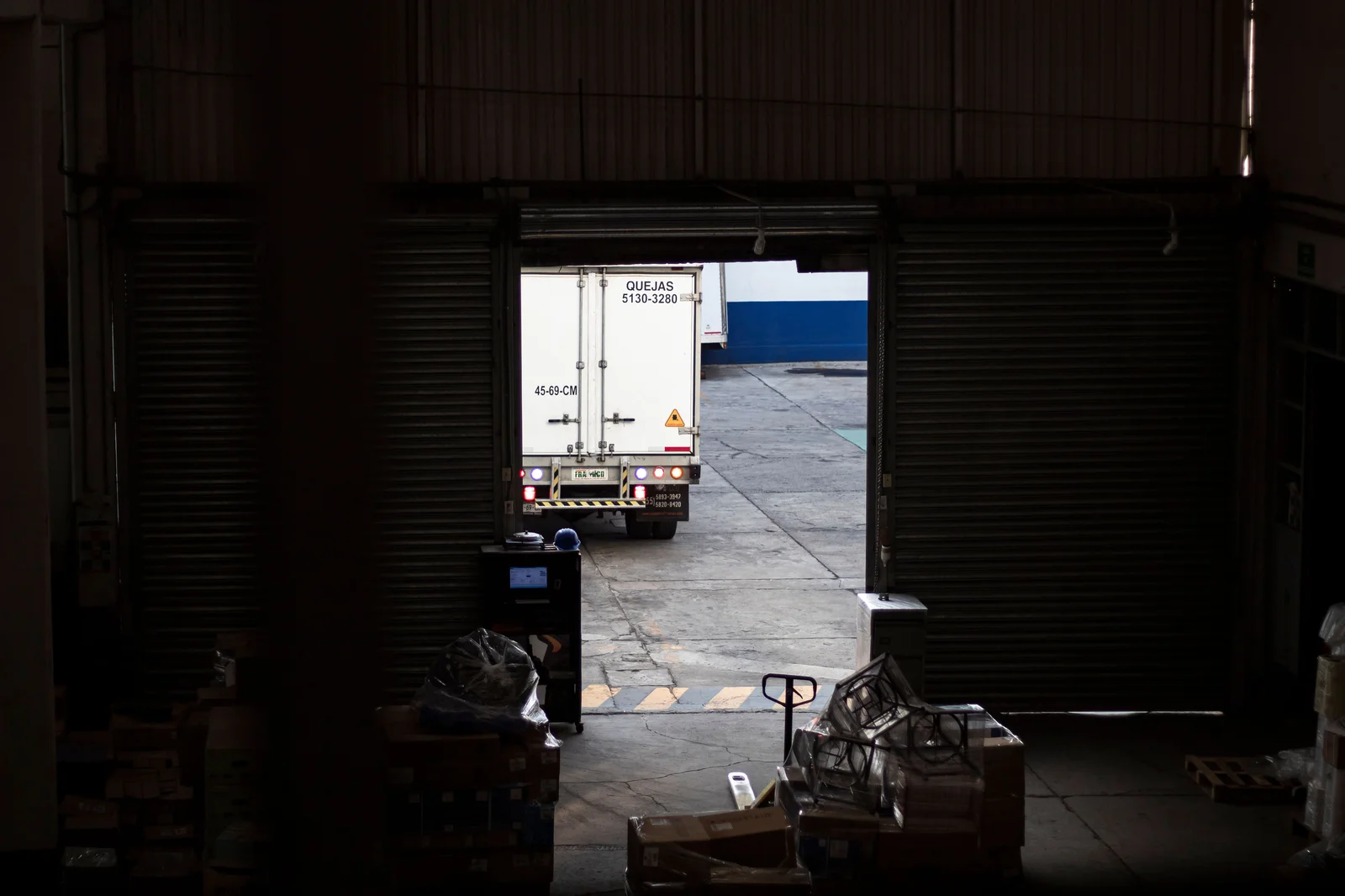
FOB is widely recognized and frequently requested, but that does not mean it is the best choice for every shipment.
For containerized cargo, the seller normally hands the packed container to a carrier or terminal before the container is loaded onto the vessel. This practical sequence is one reason FCA is often a better fit for container shipments than FOB.
If buyer and seller use FOB without understanding where operational control actually changes, disputes can arise over terminal handling, damage before loading, documentation, carrier instructions and responsibility for costs at origin.
The problem is not simply that one term is always correct and the other is always wrong. The real mistake is choosing a familiar term without matching it to the physical shipment process.
For a detailed comparison, see FOB vs FCA: Which Should You Use for Container Shipments?.
Mistake 3: Naming the Incoterm but Not the Exact Place
“FCA Turkey” or “DAP Germany” is usually too vague for a serious commercial agreement.
The named place matters because the seller’s cost and risk can change substantially depending on whether delivery occurs at a factory, inland terminal, port, warehouse, airport, buyer facility or another defined location.
Consider these examples:
- FCA seller’s factory
- FCA Istanbul container terminal
- DAP buyer warehouse in Munich
These are not economically equivalent. Inland transport, handling and risk can change depending on the named point.
A buyer who negotiates only the three-letter term may later discover that a supplier assumed delivery several hundred kilometers earlier than expected. The resulting trucking or handling cost can remove the saving that originally made the quotation attractive.
Always write the Incoterm together with a specific named place and the applicable rule version, for example: “FCA [named terminal], Incoterms 2020.”
Mistake 4: Assuming the Incoterm Defines Every Fee in the Shipment
An Incoterm allocates important responsibilities, but it does not automatically provide a complete list of every commercial charge that can appear on a freight invoice.
International shipments can involve:
- Pickup charges
- Export documentation
- Terminal handling
- Security fees
- Port charges
- Freight surcharges
- Customs brokerage
- Import duties and taxes
- Destination handling
- Delivery appointment fees
- Storage, detention or demurrage
Some of these may be included in a supplier or forwarder quote, while others may be billed separately. The exact treatment depends on the route, carrier, forwarder, port, customs regime and commercial agreement.
Buyers should therefore request a cost breakdown instead of relying only on the Incoterm label. This is particularly important when comparing a supplier-arranged freight offer with a freight forwarder’s quotation.
Mistake 5: Confusing Cost Responsibility With Risk Transfer

One of the most expensive misunderstandings in Incoterms is assuming that the party paying for freight automatically carries the transport risk until the goods arrive.
That is not always true.
Under some terms, the seller may pay for transportation beyond the point where risk has already transferred to the buyer. This distinction matters if the goods are damaged, lost or delayed during transit.
For example, a price may include main carriage, which can make the buyer feel that the seller remains responsible for the cargo throughout the voyage. But the risk transfer point may occur much earlier.
Before shipment, the buyer should identify two separate questions:
- Who pays for each stage of transport?
- At what exact point does risk transfer from seller to buyer?
These answers should be understood before insurance is arranged. Otherwise, both parties may discover after a loss that the cargo was uninsured, underinsured or insured by the wrong party.
Mistake 6: Choosing DDP or EXW Simply Because They Look Easy
At opposite ends of the responsibility spectrum, EXW and DDP can both look attractive because they appear simple.
EXW can look convenient to the seller because the buyer takes on most logistics responsibility from the seller’s premises. DDP can look convenient to the buyer because the seller appears to handle almost everything until delivery.
In practice, both can become complicated when customs, tax or local legal requirements are involved.
Why EXW can create problems
An overseas buyer may not be well positioned to perform export formalities in the seller’s country. Depending on local regulations and logistics procedures, the exporter may need to participate in documentation or customs processes even when the commercial quotation says EXW.
Why DDP can create problems
A foreign seller may not be able to act as importer of record, recover local taxes or satisfy destination-country registration requirements. If these details are not checked before shipment, customs clearance can become delayed or expensive.
The correct term should reflect what each party can legally and operationally perform, not simply which term sounds easiest.
Mistake 7: Negotiating the Product Price but Ignoring Logistics Before the Purchase Order
Many buyers spend significant time negotiating cents from the unit price while leaving freight structure, delivery point and customs responsibility until after the order is confirmed.
This can be a costly sequence.
Suppose a supplier reduces the unit price by 3%, but the final delivery structure creates unexpected origin charges, an expensive inland pickup or duplicated handling fees. The buyer may lose more in logistics than was saved during product negotiation.
Incoterms should therefore be discussed during supplier comparison, not after the purchase order is finalized.
Ask the supplier for the product price and logistics basis together. If several delivery options are practical, request alternatives such as FCA and a main-carriage-inclusive term so your procurement team can compare the total cost.
Exporters face the same issue from the opposite direction. If you are building international selling prices, How to Calculate Export Prices: Costs, Margins, Freight and Incoterms explains how freight, margin and Incoterms affect the final quotation.
Why the Cheapest Incoterm Is Not Always the Cheapest Shipment
There is no universally cheapest Incoterm. The economic result depends on which party can purchase each logistics service more efficiently and manage the associated risk.
A large importer with strong freight contracts may prefer to control the main carriage. A smaller buyer may get a better practical result by allowing an experienced supplier to arrange more of the transport. In another transaction, the seller may have strong local trucking rates but weak international freight rates.
The best structure often comes from assigning each logistics step to the party that can manage it most efficiently while keeping responsibilities clear.
A Simple Cost Check Before You Accept a Supplier Quote
Before approving an international order, procurement teams can use the following checklist:
- Confirm the exact Incoterm.
- Confirm the named place or terminal.
- Confirm the Incoterms version.
- Identify the risk-transfer point.
- List the transport stages paid by the seller.
- List the transport stages paid by the buyer.
- Confirm who handles export customs clearance.
- Confirm who handles import customs clearance.
- Confirm whether insurance is included or required separately.
- Ask the forwarder about expected destination charges.
- Compare supplier offers using the same delivery basis.
This simple review can expose differences that are invisible when procurement teams compare only unit prices.
Example: A Lower Product Price Can Still Produce a Higher Landed Cost
Imagine two suppliers quoting the same product.
| Cost Item | Supplier A | Supplier B |
|---|---|---|
| Product value | USD 20,000 | USD 20,800 |
| Quoted basis | EXW factory | FCA terminal |
| Factory pickup and origin transport | Buyer pays | Included |
| Export-side coordination | Buyer arranges | Seller arranges to named FCA point |
| Operational complexity | Higher for buyer | Lower for buyer |
Supplier A appears USD 800 cheaper before logistics are considered. But if pickup, origin handling, coordination and related charges exceed that difference, Supplier B may produce the lower effective sourcing cost.
The point is not that FCA is always cheaper than EXW. The point is that Incoterms change which costs sit inside and outside the product quotation.
Incoterms Should Make Responsibilities Clear, Not Replace Due Diligence
Even a perfectly selected Incoterm cannot protect a buyer from poor supplier verification, incorrect product specifications, weak packaging, payment fraud or inadequate quality control.
Use Incoterms as one part of a larger sourcing process. The purchase order should still define product specifications, quantity, price, payment terms, quality requirements, packaging, lead time, inspection conditions and required documents.
The logistics term should support that agreement by making the delivery structure clear.
Final Takeaway
The most expensive Incoterms mistakes usually come from treating the three-letter rule as a complete logistics plan. Buyers should look beyond the abbreviation and identify the exact delivery point, included costs, customs responsibilities and risk-transfer point.
When comparing suppliers, normalize quotations to the same commercial basis. When shipping containers, make sure the chosen term matches how the cargo is actually handed to the carrier. And before the purchase order is issued, confirm which costs remain outside the supplier’s price.
A small amount of clarification before shipment can prevent a much larger logistics bill later.
Continue on FirmaPanel
Compare suppliers, request quotations and build clearer international sourcing terms through FirmaPanel.