FOB vs FCA: Which Should You Use for Container Shipments?
FOB vs FCA can look similar, but they are not interchangeable for every shipment. This guide explains the practical differences for containerized cargo, including export clearance, delivery to the carrier, loading responsibility, risk transfer, and when to use each term.
FOB and FCA are both widely discussed Incoterms, but containerized shipping makes the choice important. The key issue is not simply whether the seller delivers the goods for export. It is the exact point where delivery occurs and risk transfers from seller to buyer. For a broader explanation of the main delivery terms and how they affect importers, see Incoterms 2020 Explained for Importers: FCA, CPT, CIP, FOB, CIF, DAP and DDP.
FOB and FCA in Simple Terms
FOB, Free On Board, is designed for sea and inland waterway transport. Under FOB, the seller completes delivery when the goods are placed on board the vessel nominated by the buyer at the named port of shipment. The seller handles export clearance, while the buyer normally arranges the main ocean freight.
FCA, Free Carrier, can be used with any mode of transport, including container shipments that combine truck, terminal and ocean transport. The seller delivers the goods to the carrier or another party nominated by the buyer at the agreed named place. The seller also handles export clearance.
The practical difference is the delivery point. With FOB, delivery and risk transfer occur when the goods are on board the vessel. With FCA, delivery and risk transfer can occur earlier, when the seller hands the shipment to the buyer's nominated carrier at the agreed place.
Why FCA Often Fits Container Shipments Better
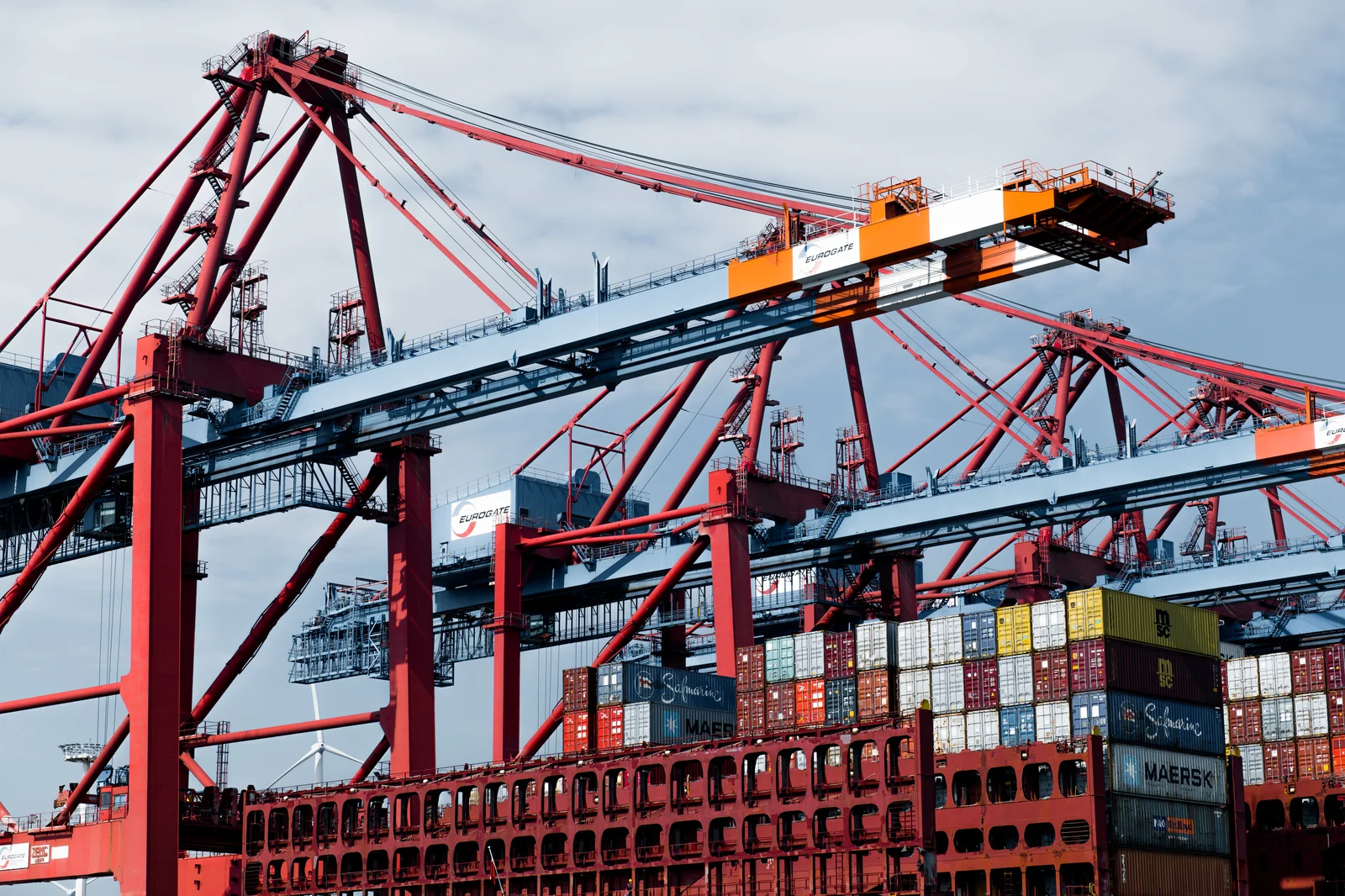
In a normal container shipment, the seller often does not deliver goods directly to the side of the vessel and supervise their loading on board. The container may be picked up from the seller, delivered to a container yard or terminal, handled by the carrier, stored temporarily and then loaded onto the vessel later.
This creates a gap between the seller's physical handover of the container and the FOB risk-transfer point. Once the container has been handed to the carrier or terminal, the seller may have little control over what happens before it is actually loaded on the vessel.
FCA can match this logistics chain more closely because the named delivery point can be the seller's premises, a freight terminal, a container yard or another agreed location. The contract can therefore align the commercial delivery point with the point where the seller actually hands control of the cargo to the buyer's transport chain.
A Practical Container Shipment Example
Imagine a supplier sells one full container of goods. The buyer books the ocean freight and nominates a carrier. The container is collected from the supplier's factory and delivered to the carrier's terminal three days before the vessel departs.
Under FCA at the seller's premises, the seller may complete delivery when the goods are loaded onto the collecting vehicle arranged by the buyer, depending on the exact named place and agreed FCA wording. Under FCA at a terminal, delivery occurs according to the FCA rules at that named terminal.
Under FOB, however, the seller's delivery obligation continues until the goods are actually on board the nominated vessel. That can leave the seller responsible for a stage of port handling that is operationally controlled by the carrier or terminal.
For containerized cargo, this is the main reason many trade professionals prefer FCA when the seller hands the container over before vessel loading.
When FOB Can Still Make Sense
FOB can still be appropriate when the shipment structure genuinely matches the term. It is commonly used for goods where the seller can deliver cargo to the vessel and where the on-board delivery point is commercially and operationally clear.
For example, FOB can be easier to apply to certain bulk, breakbulk or conventional cargo movements where goods are delivered directly for loading aboard the vessel. It may also be used when both parties have an established process and understand exactly how terminal handling, loading costs and documentation are allocated.
The important point is not to use FOB automatically simply because the shipment moves by sea. A container that travels by ocean does not necessarily mean FOB is the best term.
What About the Bill of Lading?
One reason traders sometimes prefer FOB is the need for an on-board bill of lading, especially when payment is handled through a letter of credit. Because FCA delivery can occur before the container is loaded on the vessel, sellers historically faced a practical documentation problem when they needed proof that the goods had been shipped on board.
Incoterms 2020 addresses this issue. Under FCA, the buyer and seller can agree that the buyer will instruct its carrier to issue an on-board bill of lading to the seller after the goods have been loaded. This can make FCA more workable for container transactions where an on-board transport document is required.
The purchase contract, transport booking and letter-of-credit conditions should still be checked carefully so the required documents match the chosen Incoterm and the actual shipping process.
Which Term Gives the Buyer More Control?
Both FOB and FCA can give the buyer control over the main transport because the buyer can nominate the carrier or vessel and arrange the principal freight. The difference is where the seller's responsibility ends.
With FCA, the buyer can take control of the transport chain from an earlier and clearly named handover point. This can be useful when the buyer has its own freight forwarder, negotiated carrier rates or centralized logistics arrangements.
With FOB, the buyer still controls the main ocean freight, but the seller remains responsible until the goods are on board. That may be convenient in some transactions, but it can also create unnecessary responsibility for the seller when the port and carrier control the container after terminal handover.
If you are comparing several delivery terms rather than only FOB and FCA, Which Incoterm Should an Importer Request? gives a buyer-focused framework for deciding what to ask suppliers to quote.
What Should Be Written in the Purchase Order?
Do not write only "FOB" or "FCA" in a purchase order. The named place or port is essential because it identifies where the delivery obligation is performed.
For example, an FCA term should identify the exact agreed delivery location, such as the seller's factory, a freight forwarder's warehouse or a specific container terminal. An FOB term should identify the named port of shipment.
The purchase order should also make operational responsibilities clear where necessary, including who books transport, who pays terminal charges, who provides shipping instructions and which transport documents the seller must receive. Clear wording reduces the risk of both parties assuming the other side will handle the same cost or task. Exporters preparing quotations can also compare the seller-side implications in Which Incoterm Should an Exporter Offer and How Should It Be Priced?.
FOB or FCA: Which Should You Choose?
If the seller physically controls the goods until they are placed on board the vessel and the shipment naturally fits a port-to-vessel delivery process, FOB may be appropriate.
If the seller hands a container to the buyer's nominated carrier, freight forwarder or terminal before vessel loading, FCA usually reflects the real handover point more accurately. It can also work across multimodal transport, which is useful when the shipment includes inland trucking before the ocean leg.
For a normal container shipment where the seller hands the container to a carrier or terminal before vessel loading, FCA will often match the actual logistics process better than FOB.
Whichever term is chosen, both parties should use the full Incoterm wording with the named place or port and make sure the commercial contract, freight booking and payment documents are consistent with it.
Continue on FirmaPanel
Ready to source products, request supplier quotations, or participate as a supplier? Use the options below to continue.