EXW vs FCA: Which Is Better When Buying from Overseas?
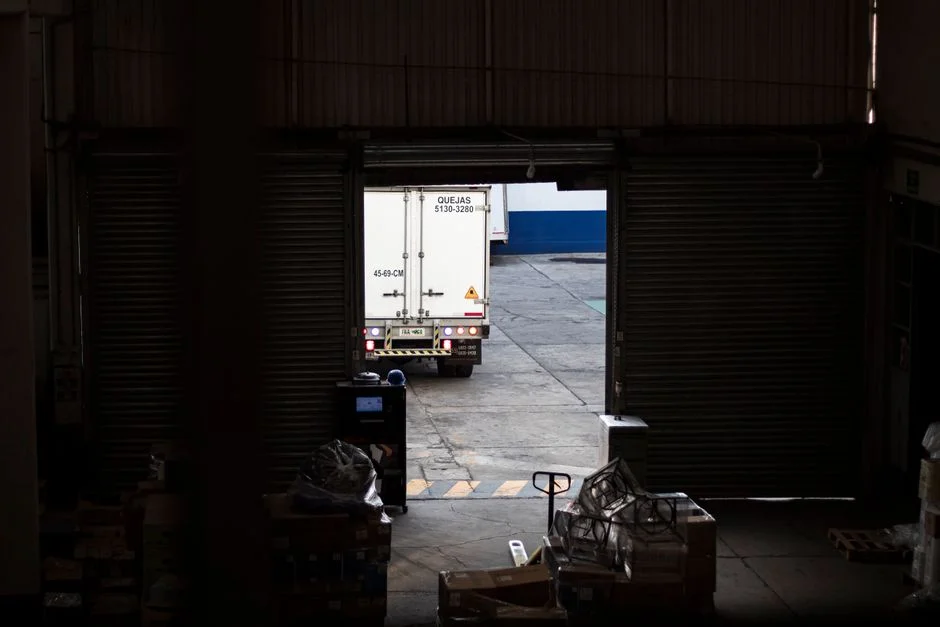
When an overseas supplier sends a quotation, the difference between EXW and FCA may look small. Both terms can leave the buyer responsible for the main international transport, and both can appear to give the buyer considerable control over freight.
Operationally, however, they can create very different responsibilities.
With EXW, the seller's obligation is relatively limited. The goods are made available to the buyer at the agreed location, commonly the seller's factory or warehouse. The buyer takes responsibility for much of what happens next.
With FCA, the seller has additional responsibilities, including delivering the goods to the agreed point and handling export clearance. Depending on the named place, the seller may also be responsible for loading the goods onto the buyer's collecting vehicle.
For many international purchases, particularly when the buyer does not have its own logistics operation inside the supplier's country, FCA can be more practical than EXW.
But that does not make FCA automatically better for every transaction.
The correct choice depends on who can manage local transportation, export formalities and origin operations most efficiently.
If you want a broader overview of international delivery terms first, see Incoterms 2020 Explained for Importers: FCA, CPT, CIP, FOB, CIF, DAP and DDP.
What Does EXW Mean for an Importer?
EXW, or Ex Works, places a relatively small logistics obligation on the seller.
A typical quotation might say:
EXW Supplier Factory, Shenzhen, Incoterms 2020
In simplified terms, the supplier prepares the goods and makes them available at the named location. From that point, much of the transportation process is organized by the buyer.
This can include:
- Collecting the goods from the supplier
- Arranging the vehicle for pickup
- Handling loading responsibilities depending on the arrangement
- Managing inland transportation
- Coordinating export procedures
- Paying origin handling charges
- Booking the main international freight
- Arranging insurance when required
- Handling import customs clearance
- Paying duties and taxes
- Delivering the goods to the final destination
This gives the buyer considerable control, but it also means the buyer needs the operational ability to manage logistics inside another country.
That distinction is important.
A procurement team may be very experienced in international purchasing while still depending heavily on freight forwarders and suppliers for local export operations.
What Does FCA Mean?
FCA means Free Carrier.
Under FCA, the seller delivers the goods to the carrier or another person nominated by the buyer at the agreed location.
The exact named place is critical.
For example:
FCA Seller Factory, Bursa, Incoterms 2020
and
FCA Istanbul Container Terminal, Incoterms 2020
are both FCA transactions, but the seller's transportation responsibilities are different.
If delivery takes place at the seller's premises, the seller loads the goods onto the collecting vehicle.
If delivery takes place somewhere else, such as an inland terminal or forwarder's warehouse, the seller typically arranges transportation to that agreed location.
A particularly important difference from EXW is that the seller handles export customs clearance under FCA.
For an overseas buyer, this can remove one of the most awkward parts of an EXW transaction.
The Biggest Difference: Export Clearance
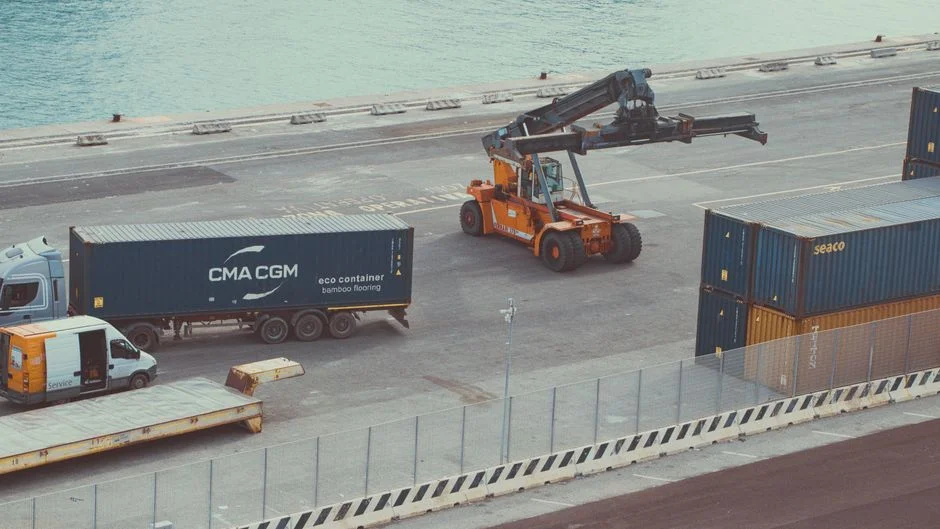
One of the most important practical differences between EXW and FCA is responsibility for export formalities.
Under FCA, the seller is responsible for clearing the goods for export.
Under EXW, the buyer generally takes responsibility for the export process.
This can create a problem when the buyer is located thousands of kilometers away.
Export procedures may require information, registrations or documentation connected to the local seller. Even when the buyer appoints a freight forwarder, the process can still require cooperation from the exporter.
A buyer should therefore ask a practical question before accepting EXW:
Can our freight forwarder actually perform the required export procedures in the supplier's country without creating unnecessary complexity?
If the answer is uncertain, FCA may provide a cleaner commercial structure.
EXW Does Not Necessarily Mean the Supplier Loads the Truck
This is another detail buyers frequently overlook.
Suppose a supplier quotes:
USD 25,000 EXW Supplier Factory
The buyer sends a truck to collect the order.
Many buyers naturally assume that the supplier will load the pallets or machinery onto the truck.
Operationally, the supplier may indeed agree to do so. But this should not be assumed simply because the quotation says EXW.
Under the standard EXW structure, the seller makes the goods available rather than taking responsibility for loading the buyer's collecting vehicle.
This distinction can become important when:
- Goods are heavy
- A forklift or crane is required
- Loading creates a risk of damage
- Special equipment is needed
- Loading takes significant labor
- An accident occurs during pickup
FCA at the seller's premises creates a clearer structure because loading onto the buyer's collecting vehicle is part of the seller's delivery responsibility.
Why FCA Is Often Easier for International Buyers
FCA creates a useful division of responsibilities.
The seller manages activities that are naturally connected to the supplier's own country, while the buyer retains control over the international transportation.
A common structure looks like this:
Seller
- Prepares the goods
- Packages the shipment
- Loads the collecting vehicle when FCA delivery is at the seller's premises
- Completes export clearance
- Delivers according to the named FCA point
Buyer
- Nominates the carrier or forwarder
- Controls the main international freight
- Arranges insurance when needed
- Handles import customs clearance
- Pays import duties and taxes
- Organizes destination delivery
This arrangement is often easier to manage than asking an overseas buyer to take responsibility from the factory door onward.
When EXW Can Still Make Sense
EXW is not inherently a bad term.
It can work well when the buyer has strong logistics infrastructure in the supplier's country.
For example, EXW may be practical if you:
- Have a local sourcing office
- Operate your own warehouse in the supplier's country
- Work with an experienced local freight forwarder
- Regularly consolidate goods from multiple suppliers
- Understand local export procedures
- Have negotiated favorable local trucking rates
- Want maximum control over origin logistics
Imagine an importer buying from eight manufacturers in one region.
The buyer's local logistics partner collects all eight orders, consolidates them into one container and manages export procedures.
In that situation, taking greater control of the origin process may be commercially useful.
The buyer is not simply choosing EXW because the quotation appears cheaper. It has an actual logistics system capable of managing the responsibilities.
The EXW Price Can Look Cheaper Than It Really Is
A common procurement mistake is comparing an EXW quotation directly with an FCA quotation.
Consider two suppliers.
| Cost | Supplier A | Supplier B |
|---|---|---|
| Product price | USD 20,000 | USD 20,600 |
| Incoterm | EXW factory | FCA terminal |
| Factory pickup | Buyer | Seller |
| Loading responsibility | Buyer must clarify | Seller according to FCA delivery structure |
| Export clearance | Buyer | Seller |
| Origin coordination | Mainly buyer | More seller involvement |
Supplier A initially appears USD 600 cheaper.
But now add:
- Pickup from the factory
- Local trucking
- Loading
- Export documentation
- Forwarder coordination
- Customs processing
- Origin handling
If these activities cost more than USD 600, Supplier B may actually be the lower-cost option.
This is why supplier quotations should be normalized before procurement teams compare them.
Our How to Get Quotes from Suppliers Online: A Step-by-Step RFQ Guide guide explains how to structure RFQs so suppliers provide more comparable commercial offers.
Do Not Write Only "FCA China" or "EXW Turkey"
The named place matters almost as much as the Incoterm itself.
Terms such as:
EXW China
or
FCA Turkey
are unnecessarily vague.
Instead, use a specific location.
For example:
EXW Supplier Factory, Foshan, China, Incoterms 2020
or:
FCA ABC Logistics Terminal, Istanbul, Türkiye, Incoterms 2020
The difference can represent hundreds of kilometers of inland transportation.
Suppose a manufacturer is located 400 kilometers from the export port.
An FCA quotation at the factory and an FCA quotation at the port terminal can have significantly different costs.
Without a named place, the buyer may believe inland transportation is included while the supplier assumes otherwise.
That misunderstanding often appears only after the purchase order has already been placed.
EXW vs FCA for Container Shipments
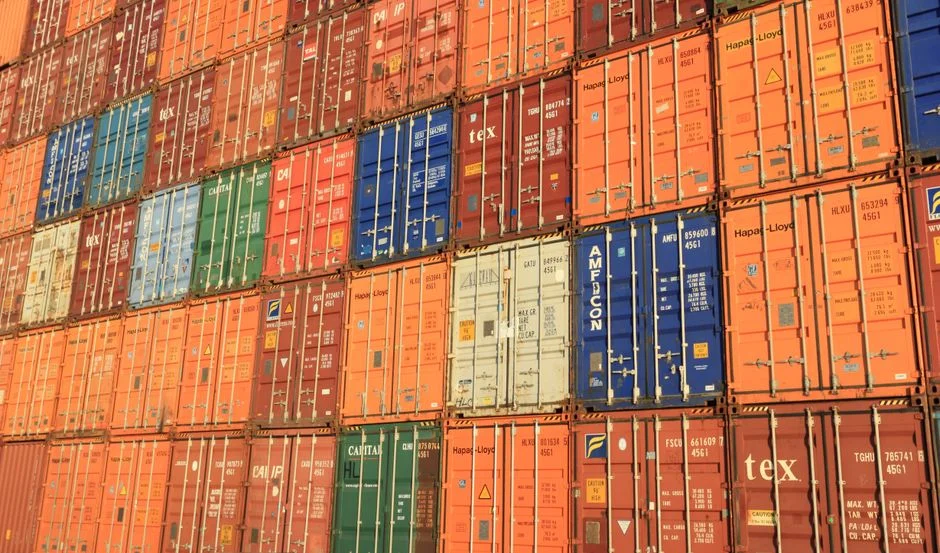
Container shipments create another reason to look carefully at the handover point.
The buyer frequently appoints the freight forwarder or shipping line, while the seller prepares the containerized goods and handles local export procedures.
FCA fits this structure naturally.
The seller can deliver the shipment to the buyer's nominated carrier at the agreed place, while the buyer controls the main carriage.
This is also why FCA is frequently relevant when comparing alternatives to FOB for containerized cargo.
If your shipment will move by container, see FOB vs FCA: Which Should You Use for Container Shipments? for the practical differences between those two terms.
Who Should Book the Freight Under FCA?
FCA does not mean the seller controls the international freight.
The buyer can still choose:
- The freight forwarder
- The shipping line
- The route
- The main carriage
- Cargo insurance
- Destination logistics
This makes FCA attractive to importers that want freight control without assuming every responsibility inside the supplier's country.
The buyer can negotiate directly with its forwarder while the supplier handles the export-side tasks assigned to it.
For companies with international freight contracts, this can provide a useful balance between control and operational simplicity.
What Origin Charges Should Buyers Ask About?
Even after agreeing on FCA, do not assume every origin fee is automatically clear.
Ask your supplier and freight forwarder to identify expected charges such as:
- Factory-to-terminal trucking
- Container pickup
- Terminal handling
- Documentation
- Customs brokerage
- Export declaration costs
- Security fees
- Warehouse handling
- Container stuffing
- Weighing or VGM-related services
- Special loading equipment
The exact charges depend on the product, shipment type, country, carrier and named delivery point.
The goal is not to create an enormous contract for every order.
The goal is to prevent a vague three-letter Incoterm from replacing an actual logistics discussion.
Our guide to 7 Incoterms Mistakes That Can Make an International Shipment More Expensive covers several other situations where unclear delivery terms can increase the final shipment cost.
EXW Can Also Create Documentation Problems
International trade produces documents for customs, tax, banking and accounting purposes.
A supplier may need evidence that goods have actually left the country.
Under an EXW structure, the seller has less control over the export movement because the buyer is organizing the process.
If documentation does not flow back correctly, the seller can face administrative difficulties.
This is another reason some manufacturers prefer FCA even when buyers request EXW.
FCA allows the seller to participate directly in the export process while still transferring the main transportation responsibility to the buyer.
What About Risk?
Cost responsibility and risk transfer should always be considered separately.
The party paying for transportation is not automatically the party carrying the risk throughout that transportation.
With both EXW and FCA, buyers need to know the exact point at which delivery occurs and risk transfers.
Do not rely on a general understanding such as, "The supplier handles the first part, so it must still be their risk."
Instead, identify the named delivery point and make sure your insurance arrangements match the actual risk transfer.
This becomes particularly important for:
- High-value machinery
- Fragile goods
- Electronics
- Customized products
- Large container shipments
- Cargo requiring special handling
EXW vs FCA: Practical Comparison
| Question | EXW | FCA |
|---|---|---|
| Who makes the goods available? | Seller | Seller |
| Who handles export clearance? | Buyer | Seller |
| Who controls main international freight? | Usually buyer | Usually buyer |
| Seller loading at its premises required by the term? | No | Yes, when FCA delivery is at seller's premises |
| Can buyer choose the freight forwarder? | Yes | Yes |
| Useful for buyers with local logistics infrastructure? | Yes | Yes |
| Easier for many overseas buyers? | Often less convenient | Often more practical |
| Named place important? | Yes | Yes |
When Should an Importer Choose EXW?
EXW may be worth considering when:
- You have reliable local logistics support
- Your forwarder can manage export procedures
- You consolidate goods from several factories
- You want to control pickup and origin transport
- You understand all origin costs
- The commercial saving is meaningful after logistics costs are added
The important phrase is after logistics costs are added.
Choosing EXW simply because the product quotation is lower is not enough.
When Should an Importer Choose FCA?
FCA is often worth considering when:
- You are buying internationally
- You want the supplier to handle export clearance
- You still want control over international freight
- You want clearer responsibility for loading at the seller's premises
- Your company does not have a local entity in the supplier's country
- Your forwarder prefers collecting export-cleared cargo
- You want supplier quotations that are easier to compare
For many ordinary importer-manufacturer transactions, FCA provides a practical middle ground.
The seller manages the part of the shipment closest to its own operations, while the buyer manages the international transport and destination side.
A Simple Question to Ask Your Freight Forwarder
Before accepting either EXW or FCA, send the quotation to your freight forwarder and ask:
"What additional origin costs and responsibilities will we have under this Incoterm and named place?"
This one question can expose:
- Pickup costs
- Export-clearance problems
- Loading requirements
- Terminal charges
- Documentation costs
- Inland transportation
- Operational limitations
Then calculate the effective sourcing cost rather than comparing only the supplier's product price.
Example: Buying Machinery from an Overseas Factory
Imagine a buyer purchasing machinery for USD 80,000.
The supplier offers:
Option 1: USD 80,000 EXW factory
Option 2: USD 81,200 FCA named inland terminal
The buyer may initially choose EXW to save USD 1,200.
But suppose the EXW option requires:
- USD 450 factory pickup
- USD 300 special loading equipment
- USD 250 export brokerage
- USD 400 inland transport and coordination
The additional origin costs total USD 1,400.
The apparently cheaper EXW quotation is now USD 200 more expensive before considering the buyer's additional administrative work.
This does not prove that FCA is always cheaper.
It demonstrates why Incoterm comparison must include the costs created by the responsibilities that sit outside the supplier's quotation.
Do Not Choose the Incoterm After Negotiating the Order
The delivery term should be part of the supplier comparison process.
A better RFQ might request:
- Product price
- EXW price if available
- FCA price at a clearly named location
- Production lead time
- Packaging details
- Shipment dimensions and weight
- Payment terms
You can then send the logistics information to your freight forwarder and compare the total procurement cost.
This is much more useful than negotiating the product first and asking how it will be shipped after the purchase order has already been issued.
Final Takeaway: EXW or FCA?
For overseas purchases, FCA is often the more practical starting point because the seller handles export clearance while the buyer can still control the main international freight.
EXW can be efficient when the buyer has strong local logistics capabilities and deliberately wants control from the supplier's premises onward.
The decision should therefore not be:
"Which Incoterm gives me the lowest supplier price?"
It should be:
"Which Incoterm gives us the lowest total cost with responsibilities our team can actually manage?"
Before confirming the order, specify the exact named place, identify who handles loading and export clearance, ask your forwarder for expected origin costs and compare the quotations on the same basis.
A slightly higher FCA price can sometimes produce a cheaper and much easier shipment. In other cases, an experienced importer can use EXW efficiently because it already has the infrastructure to control the origin process.
Choose based on the complete logistics structure, not the three-letter abbreviation alone.
Continue on FirmaPanel
Compare suppliers and request quotations with clearly defined delivery terms before placing your next international order.