Should You Pay a Supplier 30% Deposit Before Production?

A supplier asks for 30% before production and 70% before shipment. Is that normal, or is it a warning sign?
A 30% deposit is common in many manufacturing transactions because suppliers often need to buy raw materials, reserve production capacity, prepare tooling, or commit labor before they can complete an order. But common does not mean automatically safe. The real question is whether the deposit is reasonable for this supplier, this product, this order value, and this stage of the relationship.
Before sending money, buyers should evaluate the supplier, the payment schedule, the evidence required before the balance is released, and what leverage remains if production is late or the goods do not match the specification.
Why Suppliers Ask for a 30% Deposit
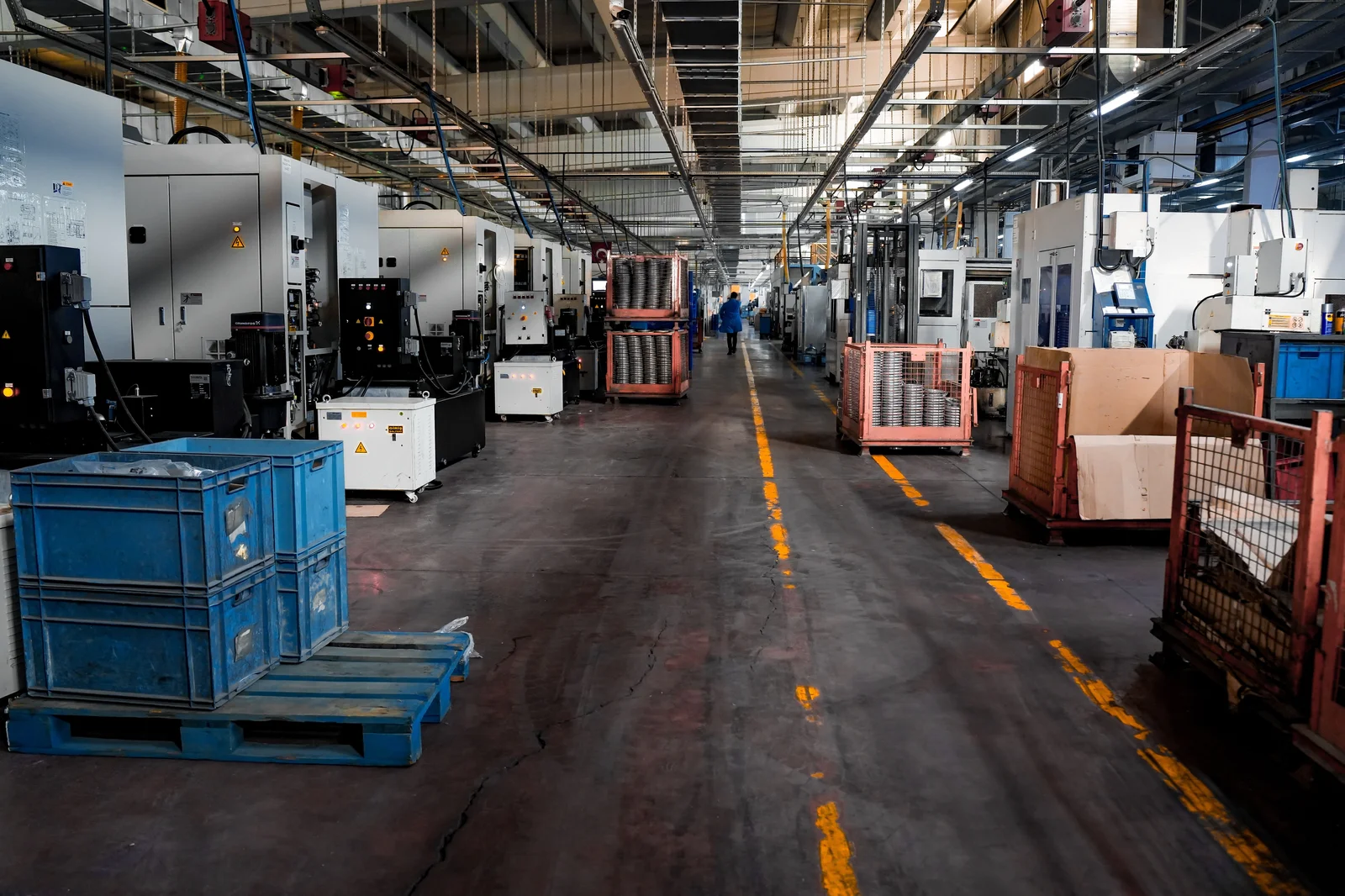
Manufacturing ties up cash before the supplier receives full payment. Materials may need to be purchased, components ordered, packaging printed, molds prepared, machines scheduled, and workers allocated. A deposit helps the supplier avoid financing the entire order for the buyer.
That does not mean 30% is a universal rule. A made-to-order product with custom packaging may justify a meaningful deposit, while a standard item already held in stock may require much less advance payment. A supplier asking for 50% or 100% in advance is not automatically fraudulent either, but the buyer should understand why that level of prepayment is necessary.
The more money paid before the supplier has produced anything, the more commercial risk shifts to the buyer.
Is 30% Deposit Safe for a First Order?
For a new supplier, a 30% deposit can be acceptable, but only after basic due diligence. The percentage itself is less important than the controls around it.
Before paying, confirm the supplier's legal company name, business address, bank beneficiary, production capability, quotation details, product specification, lead time, Incoterm, and agreed payment milestones. If the bank account belongs to an unrelated individual or a different company without a clear explanation, stop and verify the arrangement.
For a structured supplier-check process, see How to Verify an International Buyer Before Accepting an Export Order. The same principle applies in reverse: payment should follow verification, not replace it.
Buyers comparing several suppliers should also make sure the quotations are genuinely comparable. A lower price can hide a higher deposit, weaker quality control, longer lead time, or less favorable delivery terms. How to Get Quotes from Suppliers Online: A Step-by-Step RFQ Guide explains how to compare these points together.
What Should Be Agreed Before You Send the Deposit?

The purchase order or sales contract should make the commercial conditions clear before money is transferred. At minimum, both sides should agree the exact product, specification, quantity, unit price, total value, deposit amount, balance amount, production lead time, delivery term, packaging requirements, and the event that triggers final payment.
If the product is customized, attach approved drawings, samples, color references, technical specifications, packaging artwork, or other objective requirements. Avoid relying on informal chat messages for critical specifications.
The order should also state what happens if the supplier cannot meet the agreed requirements. In practice, recovering an international deposit can be difficult, so the strongest protection is usually to prevent ambiguity before production begins.
Do Not Pay the 70% Balance Just Because Production Is "Finished"
A common structure is 30% deposit and 70% before shipment. The important question is what evidence the buyer receives before releasing that 70%.
The buyer should define a meaningful milestone. Depending on the product and order size, this might include finished-production photos, packing details, test results, inspection reports, serial numbers, measurements, or an independent pre-shipment inspection.
If the supplier receives the entire balance before the buyer verifies the goods, the buyer may lose most of its remaining leverage. That is why a clear inspection or verification step before final payment can be more important than negotiating the deposit from 30% down to 20%.
When Should You Negotiate a Lower Deposit?
A lower deposit may be reasonable when the supplier is selling standard stock, the product requires little customization, the supplier has already produced the same item for you, or the order value is large enough that 30% creates excessive exposure.
Buyers can also negotiate staged payments. Instead of 30% plus 70%, the parties might use a smaller initial deposit, another payment after a verified production milestone, and the remaining balance after inspection or shipment documents.
The goal is not to push every supplier into the smallest possible deposit. The goal is to keep the payment structure proportional to the supplier's actual commitment and the buyer's level of risk.
When a 30% Deposit Should Make You More Cautious
A 30% request deserves more scrutiny when the supplier is completely new, the order value is unusually large, the beneficiary account does not match the supplier, the quotation is vague, the supplier refuses reasonable verification, or the salesperson pressures you to transfer funds urgently.
Be especially careful if bank details change shortly before payment. Confirm any change using a trusted channel that is separate from the email or message requesting the new account details.
Also be cautious when the supplier refuses to define what must happen before the remaining 70% is due. "Balance before shipment" should not mean "pay whenever we tell you production is ready."
Could LC or Another Payment Method Be Safer?

For larger or higher-risk orders, buyers may consider a letter of credit or another payment structure rather than relying only on advance T/T transfers. The right choice depends on order value, supplier relationship, banking cost, documentary requirements, and the ability to verify the goods.
Our comparison of LC vs T/T: Which Payment Method Is Safer for Importers? explains how LC and T/T shift risk differently. For a broader overview of advance payment, documentary collections, open account, and other structures, see Export Payment Methods Explained: Advance Payment, Letters of Credit, Collections and Open Account.
Even when using an LC, buyers still need clear specifications and quality controls. Banks examine documents, not the actual workmanship inside the shipment.
A Practical Decision Rule
A 30% supplier deposit can be reasonable when the supplier has been verified, the order terms are clear, the bank account is confirmed, and the buyer keeps meaningful control over the remaining 70%.
If any of those elements are missing, do not focus only on whether 30% is "normal." Fix the underlying risk first.
For a new supplier, the safest structure is usually one where the buyer pays only enough in advance to support legitimate production needs, verifies that the agreed product has actually been produced, and releases the remaining balance against a clearly defined milestone.
Continue on FirmaPanel
Ready to compare suppliers, request quotations, or participate as a supplier? Use the options below to continue.