Serving Tray Manufacturers in India: Wholesale Wood, Metal & Marble Trays
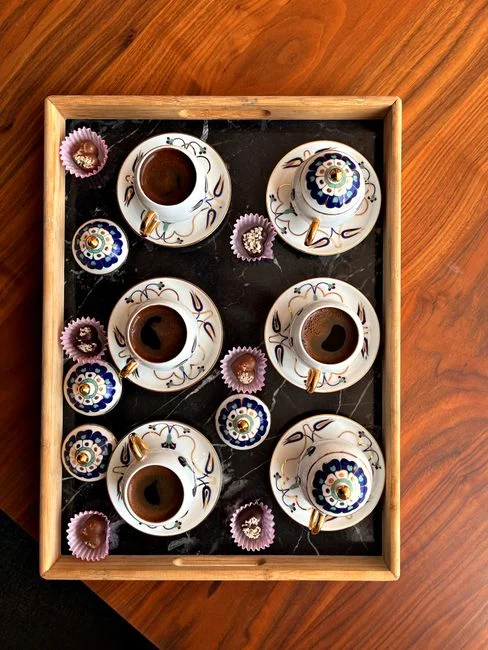
India offers wholesale buyers a broad serving-tray range, from mango wood and acacia to stainless steel, aluminium, marble, cork, enamel and decorative mixed-material designs. FirmaPanel currently lists dozens of Indian suppliers in this category, giving retailers, distributors, hospitality buyers and homeware importers enough variety to build very different price points and collections.
The main buying advantage is not simply finding a tray at a low unit price. It is finding a supplier whose material, finishing, packaging and minimum-order structure fit the way you intend to sell the product.
Serving tray suppliers in India
The supplier base is unusually diverse. Some companies focus on natural materials and handcrafted homeware, while others offer polished metal, decorative finishes, marble, plated products or broader tabletop collections. That allows buyers to compare suppliers not only by price, but by the kind of assortment they can support over time.
 ADVANCE CORK INTERNATIONAL
 Aglow Exports Inc.
 Art House Expo
 Ashish Homes
Goel Handicrafts
J. P. International
Ashish Homes
Goel Handicrafts
J. P. International
 M.R. Industries
 Royal Artisans Inc
Examples from FirmaPanel's Indian serving tray inventory
Before contacting suppliers, it helps to look at several real product directions side by side. The products below show how widely this category can vary: eco-friendly cork, decorative metal, solid wood, mango wood, marble, enamel and mixed-material platters all compete for different buyers and retail positions.
Use these examples to narrow your requirement first. A buyer asking for “serving trays” may receive hundreds of unrelated offers, while a buyer asking for “30–40 cm mango wood trays with handles for mid-market homeware retail” gives suppliers a much clearer commercial target.
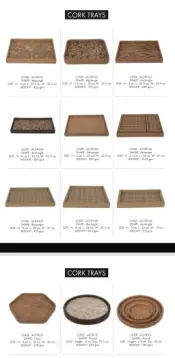 Eco-Friendly Cork Serving Trays
 Cali Serving Trays
 Stainless Steel Serving Trays with Gold Metal Handles
 Wooden Serving Trays and Platters
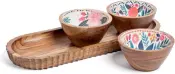 Mango Wood Chip and Dip Salsa Serving Platter
 Handmade Black Marble Tray
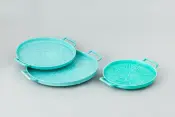 Enamel Finish Serving Trays Set of 3
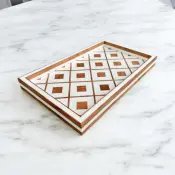 Wood Inlay Serving Tray
Choose the material around the customer, not the trend

Wooden trays can work well for natural, rustic and Scandinavian-style collections. Mango wood and acacia are especially useful for buyers who want visible grain and a warmer retail story. Ask about moisture content, finish, food-contact suitability where relevant, handle construction and whether natural variation is expected from piece to piece.
Metal trays suit a different position. Stainless steel and aluminium can look cleaner and more contemporary, while gold, nickel or antique finishes move the product toward decorative and gifting channels. For plated or coated items, buyers should ask how the surface should be cleaned and whether the finish is designed for frequent serving use or mainly decorative display.
Marble and stone trays create a heavier, premium feel and can work for hospitality, gifting, bathroom accessories and upscale home décor. Their challenge is freight: weight and breakage protection can quickly become more important than the factory price.
A tray can be a serving product, a décor product, or both
This distinction matters because the specification changes with the use. A tray intended to carry drinks needs comfortable handles, a practical rim and enough stiffness under load. A decorative tray for candles, perfume or tabletop styling may prioritize finish and appearance instead.
Retailers often benefit from choosing one primary use per SKU. A beautiful mirrored tray can photograph well for ecommerce, but if it is not intended for food service or wet use, that should be clear in the product description. Matching the product promise to the construction reduces returns and customer complaints.
Build the assortment in families

Serving trays are easier to merchandise when several pieces share the same material or design language. Instead of buying ten unrelated designs, consider a family with two or three sizes, a matching platter, coaster set or related tabletop accessory.
This gives buyers three benefits: cleaner store presentation, easier upselling and simpler reordering. It can also improve purchasing efficiency if the supplier can combine several related SKUs within one order.
Ask whether the MOQ applies per design, per size, per finish or across the whole collection. That one detail can change whether a range is commercially practical for a first order.
Dimensions matter twice: on the shelf and in the carton
A large tray may look impressive in a showroom but become expensive to import if it cannot nest efficiently. Request the product dimensions and the packed dimensions. For sets, ask how the trays nest and whether handles or raised rims increase carton volume.
For heavier marble or metal products, also request gross carton weight and units per master carton. For wood and decorative finishes, ask how surfaces are separated to prevent scratching during transport.
These details help buyers compare landed cost rather than only unit cost, which is often the more useful number in a bulky homeware category.
Private label can be simple
Customisation does not always require a completely new tray. Many buyers can differentiate an existing product through a changed finish, engraved or printed logo, branded sleeve, barcode label, gift box or a coordinated color selection.
Ask suppliers which changes can be made without new tooling. This usually produces a more realistic first private-label project and keeps development cost under control. For larger programs, you can then explore custom sizes, handle shapes, inlays or exclusive patterns.
What makes a useful first inquiry?
A short sourcing brief is enough if it contains the commercial essentials: material, approximate dimensions, quantity per design, target market, preferred finish, packaging requirement, destination country and whether the product is for retail, hospitality or gifting.
If the tray will contact food directly, say so. If it is decorative only, say that too. This prevents suppliers from quoting products built for a different use and makes the first round of offers easier to compare.
Buyers building a broader homeware assortment may also find Wholesale Home Décor Suppliers: Source Wall Art, Vases, Mirrors and Home Accessories and Wholesale Tableware Suppliers: Source Cutlery, Plates, Bowls and Drinkware useful for complementary categories.
Request quotes from Indian serving tray suppliers
Once you have narrowed the material, size range and intended use, send the same brief through Post RFQ. Comparing suppliers against one clear requirement makes it easier to judge assortment fit, MOQ, packaging and landed cost.
Start an RFQ