Rug & Carpet Manufacturers in India: Jute, Cotton & Wool Rug Suppliers
India gives rug buyers plenty of room to build very different collections. FirmaPanel currently lists 55 approved rug and carpet products from 25 Indian suppliers, ranging from handwoven jute and cotton rugs to wool flatweaves, bath rugs, coir mats and recycled-PET designs.
That variety is useful, but it also means that a vague request for “rugs from India” will usually bring back too many unrelated offers. A better starting point is to decide what your customer is buying for: a natural-fibre living room, an easy-care family home, a bathroom range, a hospitality project or an entry-level floor-covering line.
Indian rug suppliers to explore
There is no single type of Indian rug supplier. Some are strongest in jute and natural fibres, some in cotton and braided constructions, while others offer wool, bath rugs or more commercial floor coverings. Looking at several suppliers first helps you see which material direction is actually deep enough for a complete range.
 Chhabra Home Product Pvt. Ltd.
 Classic Coir Factory
 Coco Fibre Tex
 D. C. Interiors
 Fibre World
Life Style India
Qayyum Exports
SHYAM OVERSEAS
Fibre World
Life Style India
Qayyum Exports
SHYAM OVERSEAS
What the current FirmaPanel inventory looks like
The products below give a useful cross-section of what buyers can source: luxury and decorative rugs, coir and jute, washable floor rugs, cotton tufted designs, wool flatweaves and recycled-PET constructions.
Before you ask for prices, shortlist the materials and construction styles that fit your shop or project. It is much easier to compare five suitable suppliers on one clear brief than to compare twenty quotations built around completely different fibres, weights and sizes.
 Luxury Rugs Collection
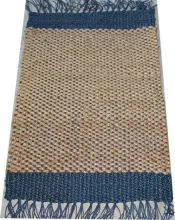 Classic Coir Jute Rugs
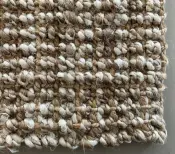 Handwoven Natural Jute Carpet
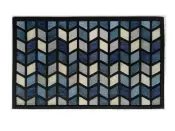 D. C. Interiors Washable Floormats and Rugs
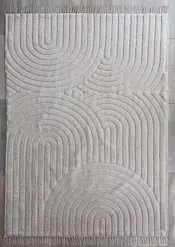 Cotton Tufted Rugs
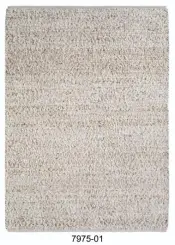 Aspen Variegated Chunky Wool Loop Rug
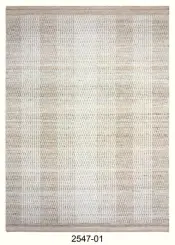 Recycled PET Geometric Flatweave Rug
 Cotton Chenille and Chindi Rugs
Choose the fibre around how the rug will be used
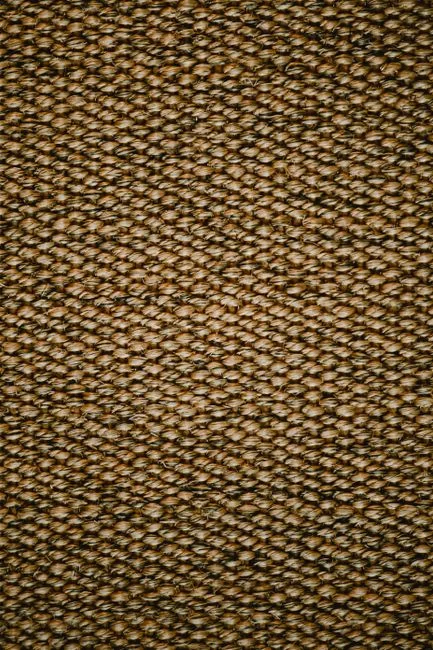
Jute has a strong natural look and works well for buyers building relaxed, textured or sustainability-led home collections. It can also be price-competitive for larger sizes, but buyers should ask about shedding, moisture sensitivity, backing and recommended cleaning.
Cotton is useful for lighter, softer and often more washable ranges. It can suit bedrooms, children's rooms, casual living spaces and smaller accent rugs. Wool moves the product toward a warmer, more premium position, but fibre quality, pile construction and care requirements become more important.
Recycled PET can be interesting where buyers want a softer synthetic product with a recycled-material story. The key is not to buy the claim alone—ask what percentage is recycled content, how the yarn performs and what cleaning instructions should be given to the final customer.
A rug's construction changes the way it behaves
Flatweave, braided, tufted and shaggy rugs may share the same fibre but feel completely different in use. Flatweaves tend to be easier to fold, ship and place under furniture. Tufted rugs can offer more softness and visual depth. Braided styles work well with natural materials and casual interiors, while thicker shaggy products create a stronger tactile effect but require more carton space.
Ask for total weight, pile height where applicable, backing material and edge finishing. These details affect durability, appearance and freight, and they are often more useful than a simple material name.
Size strategy matters more than carrying every possible size
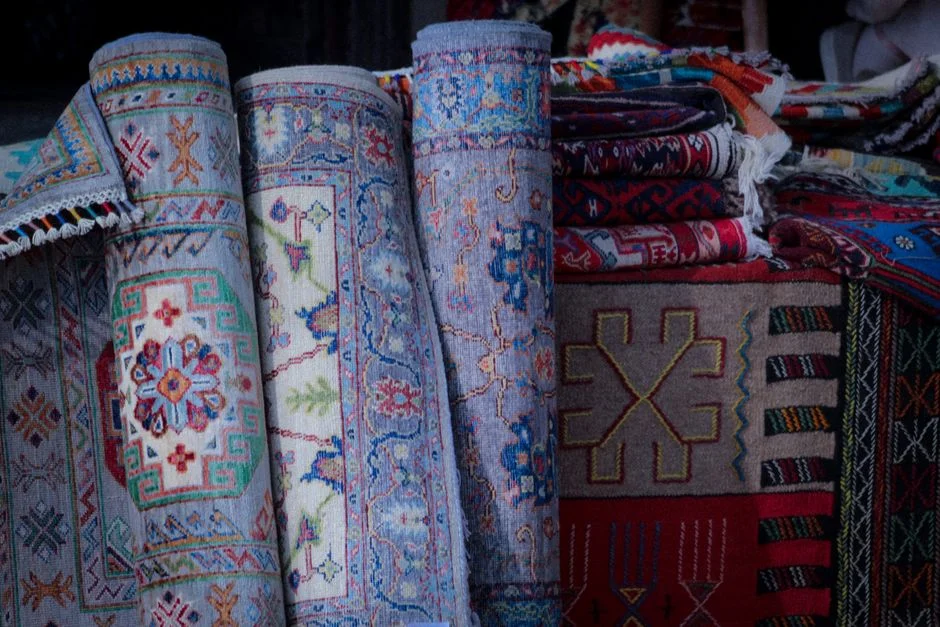
One attractive design in six poorly chosen sizes can tie up more stock than three good designs in the sizes your customers actually buy. For retail, start with the room sizes that already move in your market and add runners or accent sizes only where there is clear demand.
Ask suppliers whether the same design can be ordered in several standard dimensions and whether the MOQ is per size, per colour or across the design family. A flexible MOQ across sizes can make the first order far easier to balance.
If you sell online, exact dimensions matter even more. Make sure size tolerances are clear, especially with handmade and natural-fibre products where some variation may be normal.
Freight can change which rug is the better buy
Rugs are a classic example of why factory price and landed cost are not the same thing. A lightweight flatweave that folds efficiently may be cheaper to move than a bulky high-pile rug even if its unit price is higher.
Request the packed size, gross weight and packing method for each size. Ask whether rugs are folded, rolled, compressed or individually packed. For products with delicate pile or strong creasing risk, cheaper packing is not always better if the rug arrives difficult to present or sell.
Colour consistency is important when customers buy a collection
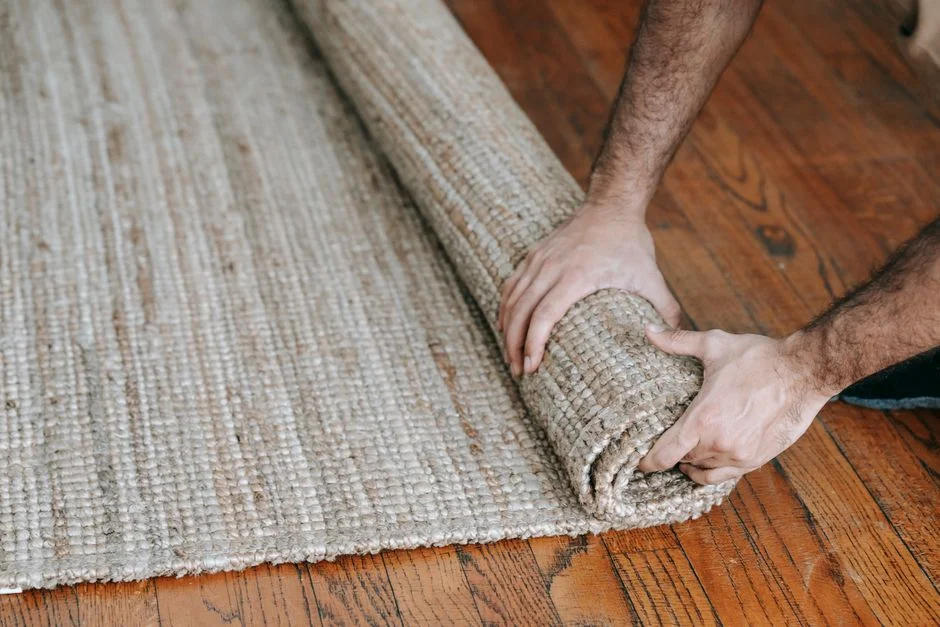
Natural fibres and hand-finished products can show variation, and that can be part of their appeal. The problem starts when the variation is greater than the customer expects.
Agree acceptable colour and dimensional tolerances before production. For repeat orders, ask whether the supplier keeps colour references, yarn specifications or approved samples. A rug that sells well today is much easier to reorder when the next batch still looks like the product your customers already know.
Think beyond a single rug category
Rugs usually sit inside a wider home collection. If you are building a coordinated assortment rather than buying floor coverings alone, Wholesale Home Décor Suppliers: Source Wall Art, Vases, Mirrors and Home Accessories is a useful next step for categories such as vases, mirrors, wall décor and other home accessories.
This is also where material direction becomes useful. A natural-fibre rug program, for example, can help define the look of the rest of the collection rather than forcing buyers to choose unrelated products one by one.
What should you send in the first inquiry?
Give suppliers the fibre or construction you want, required sizes, quantity per size, target market, colour direction, packaging expectations and destination country. Add any must-have points such as washable construction, recycled content, anti-slip backing or private-label packaging.
If you are still deciding between two materials, say so. A good supplier may be able to quote comparable alternatives rather than forcing you into one construction too early.
Request quotes from Indian rug and carpet suppliers
Once the material, sizes and price position are clear, send the same requirement through Post RFQ. Keeping one buying brief across suppliers makes it easier to compare MOQ, construction, packing, lead time and landed-cost potential.
Start an RFQ