Flexographic Printing Machine Manufacturers in India: Flexo Press Suppliers
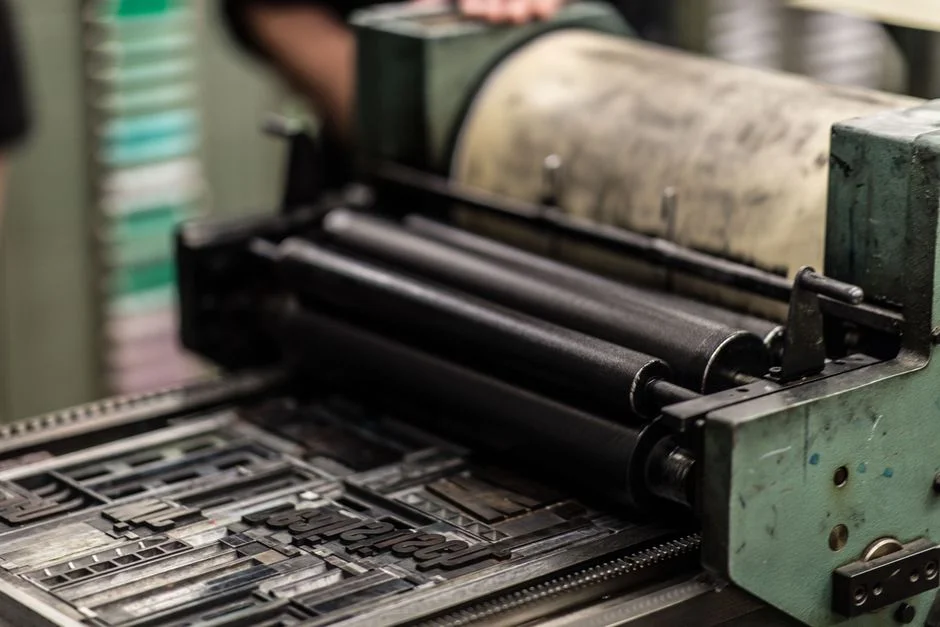
For a packaging or label converter, the value of a flexographic press is not simply how fast it can run. The real benefit comes from choosing a machine that fits the jobs you already sell: the substrate, web width, number of colors, repeat lengths, finishing steps and typical order size.
FirmaPanel currently lists 30 products in the Flexographic Printers category from 13 Indian suppliers, including narrow-web and mid-web flexo presses, label printers, plate-making equipment, slitting and rewinding systems, web-control components and converting equipment. That gives buyers a useful starting point for comparing complete production workflows rather than looking at one machine specification in isolation.
Indian flexographic printing suppliers on FirmaPanel
These suppliers cover several parts of a flexo production line, from printing presses and label systems to finishing and web handling.
 Apsom Infotex Ltd.
 INNOVATIVE FLEXOTECH PVT. LTD.
 LINEOMATIC INDIA PRIVATE LIMITED
 MULTITEC AIDS PVT. LTD.
 U.V. GRAPHIC TECHNOLOGIES PVT. LTD.
 VINSAK INDIA PVT. LTD.
Flexo equipment currently available
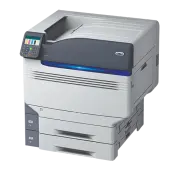 Sheet Fed Label Printer
 Photopolymer Plate Making and Flexo Printing Machinery
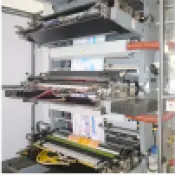 Flexo Printing Machine
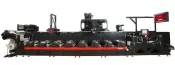 S2 Full Servo Narrow Web Flexographic Press
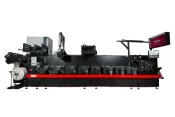 S1 Compact Narrow Web Flexographic Press
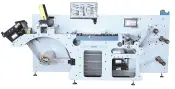 Slitting Rewinding Machine for Flexographic Printing
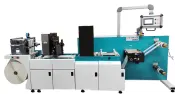 Label Finishing Slitting Rewinding and Inspection Systems
Start with the substrate, not the machine brochure
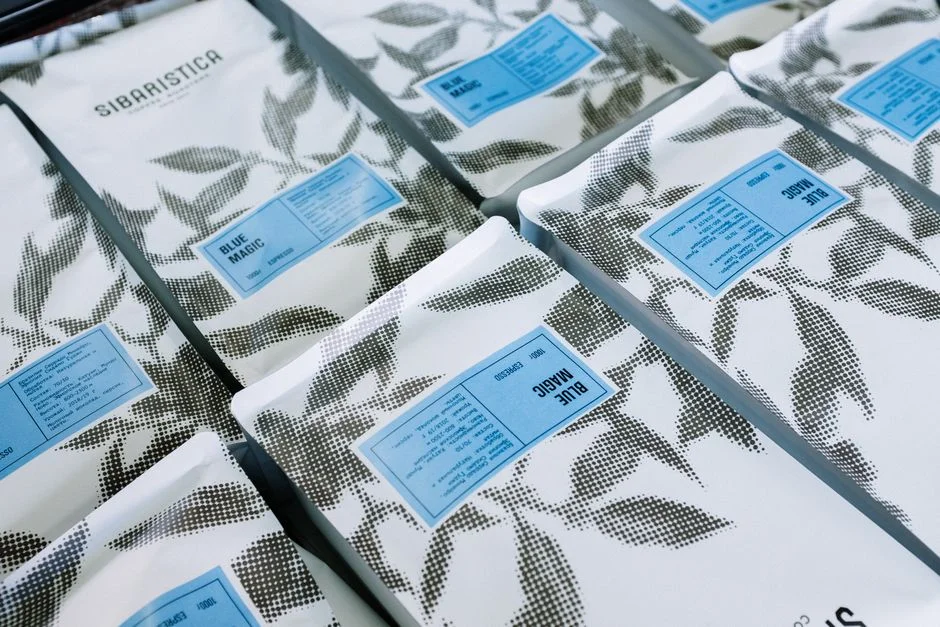
A flexo press that is ideal for self-adhesive labels may be a poor match for paper bags or flexible film. Before comparing manufacturers, define what will actually pass through the press.
- Labels: usually favor narrow-web production, accurate registration and efficient inline die cutting or finishing.
- Paper and paper bags: may require different tension control, ink and drying choices from film applications.
- Flexible packaging films: place more emphasis on web handling, tension stability, drying capacity and substrate thickness range.
- Board or heavier materials: require confirmation that the feeding and press configuration can handle the intended stock reliably.
The commercial benefit is simple: when the substrate is defined first, suppliers can recommend a realistic press instead of quoting a larger or more complex machine than the job requires.
Narrow-web or mid-web: buy for the work you want to keep
Narrow-web presses can be attractive for labels and shorter repeat jobs because changeovers, material handling and inline finishing can be efficient. Mid-web equipment may make more sense when the buyer needs larger formats, packaging applications or higher throughput across broader rolls.
Do not choose web width only from the largest job you have ever received. Look at the work that represents most of your monthly production. An oversized press can increase material waste, plate costs and setup time if the majority of jobs are substantially narrower.
Inline converting can remove an entire production step
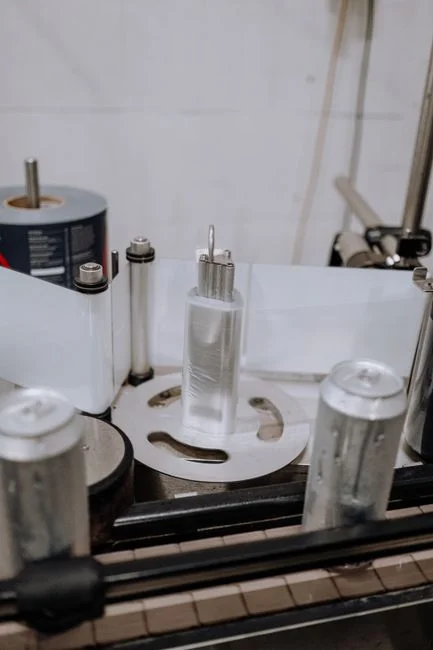
For label and packaging buyers, one of the most valuable questions is what can happen in the same pass. Depending on the application, inline die cutting, slitting, rewinding, inspection or other finishing functions can reduce handling and work-in-progress between separate machines.
That does not mean every inline option is automatically worth buying. Compare the extra machine cost with the labor, floor space and second-pass time it could eliminate. If most jobs already require the same finishing process, integration can have a clear operational benefit. If finishing requirements vary widely, separate equipment may provide more flexibility.
FirmaPanel's Indian inventory includes both printing presses and related slitting, rewinding and label-converting systems, which makes it possible to evaluate the line as a workflow rather than only as a press.
More speed is useful only when the whole line can sustain it
Published maximum speed is easy to compare, but production speed is affected by ink drying, substrate behavior, registration, changeovers and downstream finishing. A machine rated for a high top speed may deliver little benefit if your normal jobs must run much slower to maintain quality.
Ask suppliers for expected production speed on your actual substrate and print configuration. If possible, request output samples or a video from a comparable job. Buyers should also ask how long a normal job change takes, because faster setup can be more valuable than a higher top speed when order runs are short.
Servo control matters most when it solves a real production problem
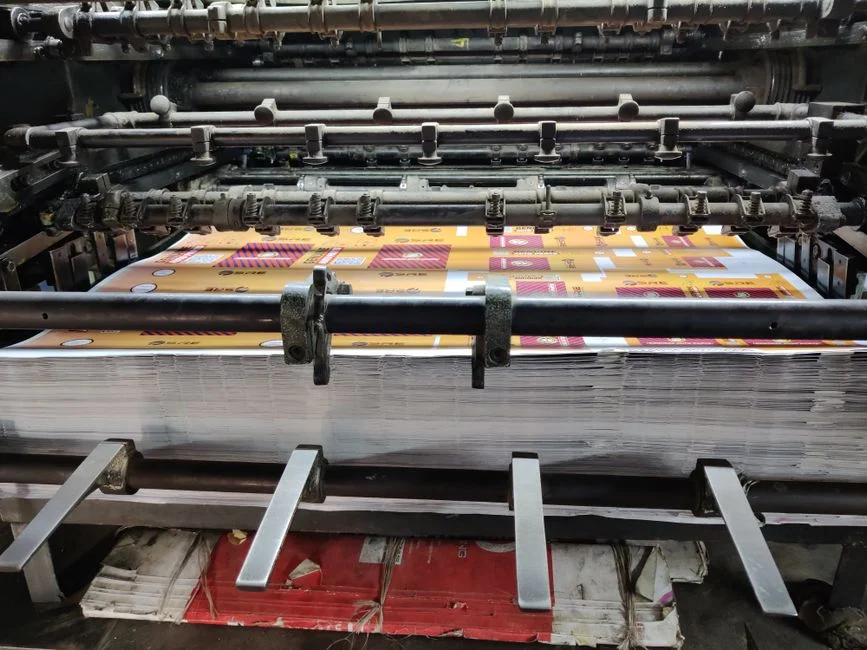
Servo-driven presses can improve control, registration and changeover efficiency, but the buyer should connect automation features to measurable production needs. For example, a converter handling many short label jobs may value repeatable setup and reduced waste more than a plant running long, stable jobs on the same material.
When comparing offers, ask what is servo controlled, how registration is maintained, how web tension is managed and which settings can be stored for repeat jobs. The benefit is not the word “servo” itself; it is less setup waste, more consistent print and faster return to a proven job specification.
Give suppliers seven numbers before asking for a price
A useful first inquiry can be surprisingly short. Provide:
- Required print width
- Number of colors
- Minimum and maximum substrate thickness
- Typical roll width and diameter
- Target production speed
- Average and maximum job length
- Expected monthly production volume
Then add the substrate type, drying preference, inline finishing requirements, destination country and electrical standard. This gives manufacturers enough information to recommend an appropriate configuration instead of sending a generic machine catalogue.
Use the broader India printing machinery page for adjacent equipment
If your project also includes digital, offset, screen printing, laminating, die cutting or binding equipment, see India Printing Machinery Suppliers. The broader page is useful for multi-process projects, while this page is intentionally focused on flexographic production.
Request flexographic press quotations
Once the substrate, web width, colors and production target are defined, use Post RFQ to send the same requirement to relevant suppliers. Comparing offers against one production brief makes differences in configuration, automation and finishing much easier to understand.
Start an RFQ