Food Container Manufacturers in Turkey: Plastic, Glass & Lunch Box Suppliers
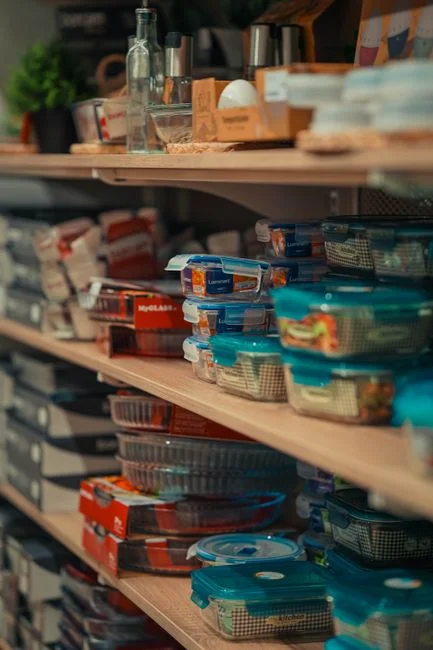
Turkey is a practical sourcing market for buyers who need everyday food-storage products rather than one narrow container type. FirmaPanel currently lists 31 approved food-container products from 16 Turkish suppliers, including airtight plastic boxes, borosilicate glass containers, lunch boxes, dry-food canisters and polycarbonate containers for professional kitchens.
That range gives importers and retailers room to build a complete storage category around one market instead of buying every subcategory from a different country. The useful comparison is not simply “plastic versus glass.” It is which supplier can give you the sizes, closure system, packaging and repeat availability that fit your customer.
Turkish food container suppliers worth comparing
Some suppliers are stronger in everyday household storage, while others lean toward lunch boxes, clear pantry organization, glass containers or hospitality use. Looking at them side by side makes it easier to decide whether you want a broad retail range or a more focused product family.
 Bager Plastik Sanayi Ve Ticaret Limited Sirketi
 Ay Silikon Ve Plastik San. Tic. Ltd. Sti.
 Dünya Plastik San. ve Tic. Ltd. Sti.
 Emhouse Plastik San. Ve Tic. Ltd. Sti.
 Omak Ev Gerecleri ve Isitma Sistemleri San. Tic. Ltd. Sti.
 Surplast Plastik Sanayi Ve Dis Ticaret Limited Sirketi
 Titiz Plastik Dis Tic. ve San. Ltd. Sti.
 Ucel Glass Cam Insaat Ambalaj Plastik Nakliye San. ve Tic. Ltd. Sti.
What buyers can find in the current inventory
The examples below show the variety already available on FirmaPanel: airtight sets, storage boxes, dry-food containers, silicone-lid products, borosilicate glass and lunch boxes. That matters because food storage sells better as a range than as a single isolated item.
Before asking for a quotation, decide whether you are building a pantry-storage line, meal-prep/lunch category, general household range or professional food-service assortment. Suppliers can then quote the right sizes and materials instead of sending a catalogue full of products you will never list.
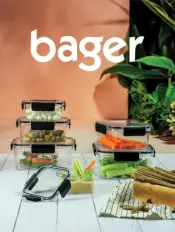 Bager Plastic Food Storage Containers
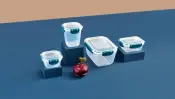 Lock&Fresh Master Seal Storage Container
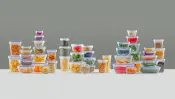 Lock&Fresh Airtight Food Storage Containers
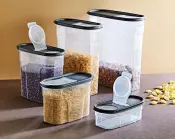 Emhouse Cereal Box
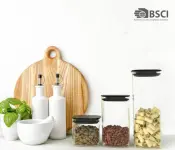 DecoBella Airtight Square Food Container 3pcs
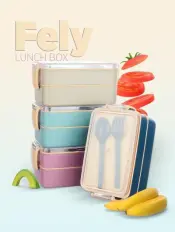 Fely Lunch Box 400 and 500ml
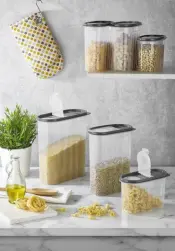 Dry Food Storage Containers
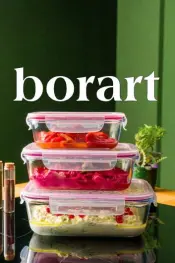 Borosilicate Food Container
A good lid is often more important than a clever shape
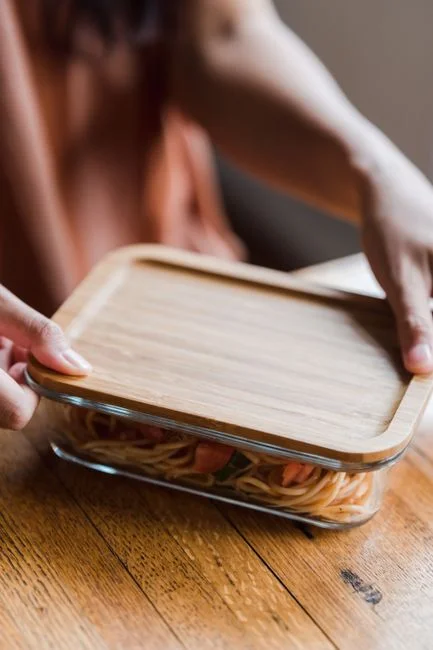
Customers notice closure problems quickly. A container can look excellent on the shelf and still generate returns if the lid is difficult to close, loses tension after repeated use or leaks when carried in a bag.
For airtight products, ask how the seal is created: silicone gasket, snap locks, press fit or another system. If you are buying lunch boxes, ask specifically whether the product is intended to be leak-resistant for liquids or only secure for dry food. Those are very different promises.
Samples are especially valuable here. Open and close the same lid repeatedly, stack the containers when full, and check whether the seal still sits evenly after washing. A five-minute test can tell you more than a long product description.
Plastic, glass and polycarbonate serve different customers
Plastic containers remain attractive for everyday retail because they are light, economical to ship and easy to sell in multi-size sets. Clear bodies also work well for pantry organization, where visibility is part of the product benefit.
Glass moves the range toward a heavier, more premium position and can appeal to customers who want oven-to-table or meal-prep presentation, depending on the product specification. Borosilicate glass can be especially interesting, but buyers should confirm temperature limits, lid material and whether the complete product—not only the glass body—is suitable for the intended use.
Polycarbonate containers are a different business case again. They are common in professional kitchens because visibility, durability and repeat handling matter more than decorative retail presentation.
Do not ignore stackability
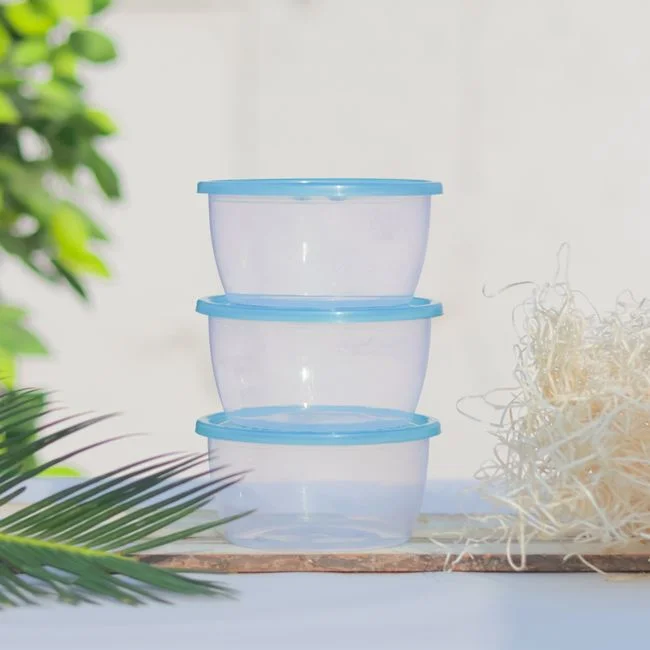
Storage products consume space twice: first in the buyer's warehouse and later in the customer's kitchen. A range that nests efficiently or stacks cleanly can be easier to import, display and use.
Ask for packed dimensions as well as product dimensions. Two containers with similar capacity can have very different freight costs if one design wastes carton space. For nested sets, check whether lids are packed separately and how much volume the full set occupies.
Retailers should also think about shelf width. A family of square or rectangular containers may use store space more efficiently than several round products with the same capacity.
Build the assortment around everyday jobs
A useful range normally has a reason for each size. Small boxes handle snacks and leftovers; medium sizes cover meal prep; taller canisters suit pasta and cereal; divided boxes serve lunch; larger containers handle bulk pantry storage.
This approach is more useful than choosing sizes simply because they are available. Ask the supplier which capacities sell together and whether mixed-size starter orders are possible. If the same lid design or visual style runs across several capacities, the range becomes easier to merchandise and reorder.
Food-contact documentation should be part of the buying conversation
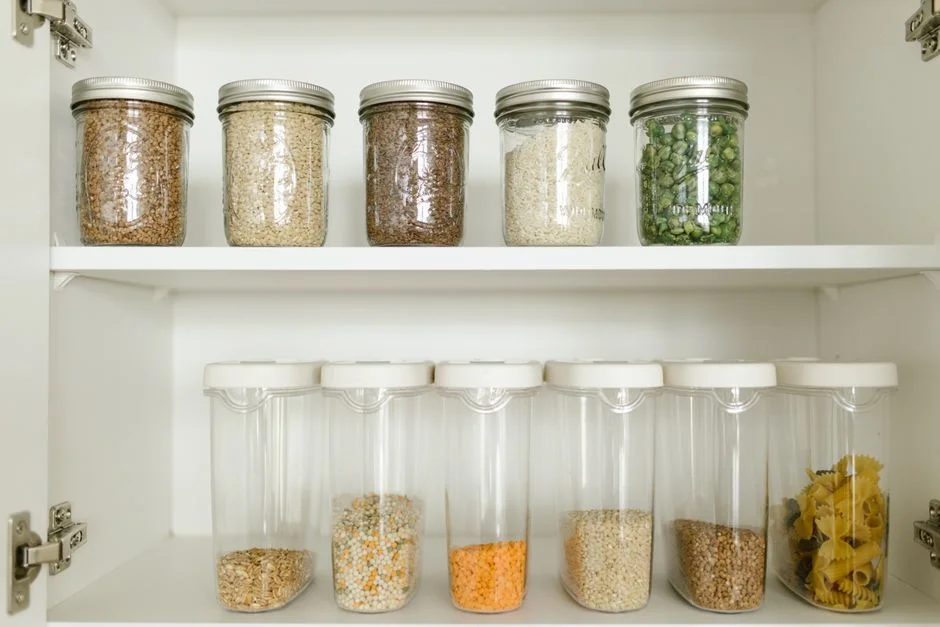
If the product will be marketed for direct food contact, ask the supplier what documentation is available for the destination market and what material is used in each food-contact component. The container body, lid, gasket and printed decoration may not all be made from the same material.
Microwave, dishwasher, freezer and temperature claims should also be confirmed product by product. Do not assume an entire supplier catalogue has identical performance simply because the items look similar.
Clear, accurate claims protect the buyer as much as the end customer. They also make retail packaging and ecommerce descriptions easier to prepare.
Private label is often easier at the packaging level
For a first order, full custom tooling may not be necessary. Existing container shapes can often be differentiated with sleeve cards, labels, barcode stickers, color combinations, printed inserts or branded outer packaging.
Ask what can be changed without a new mould and what MOQ applies to each customization. That gives buyers a realistic way to test a branded range before investing in exclusive shapes.
If you are building a broader kitchen and tabletop assortment, Wholesale Tableware Suppliers: Source Cutlery, Plates, Bowls and Drinkware can help you explore complementary product groups.
Request quotes from food container suppliers in Turkey
Start with the material, capacity range, intended use, order quantity and destination. Add any must-have points such as airtight sealing, dishwasher use, private-label packaging or mixed-size sets. Then send the same brief through Post RFQ so supplier offers are easier to compare.
Start an RFQ