Sea Freight FCL vs LCL: Which One Should You Choose?
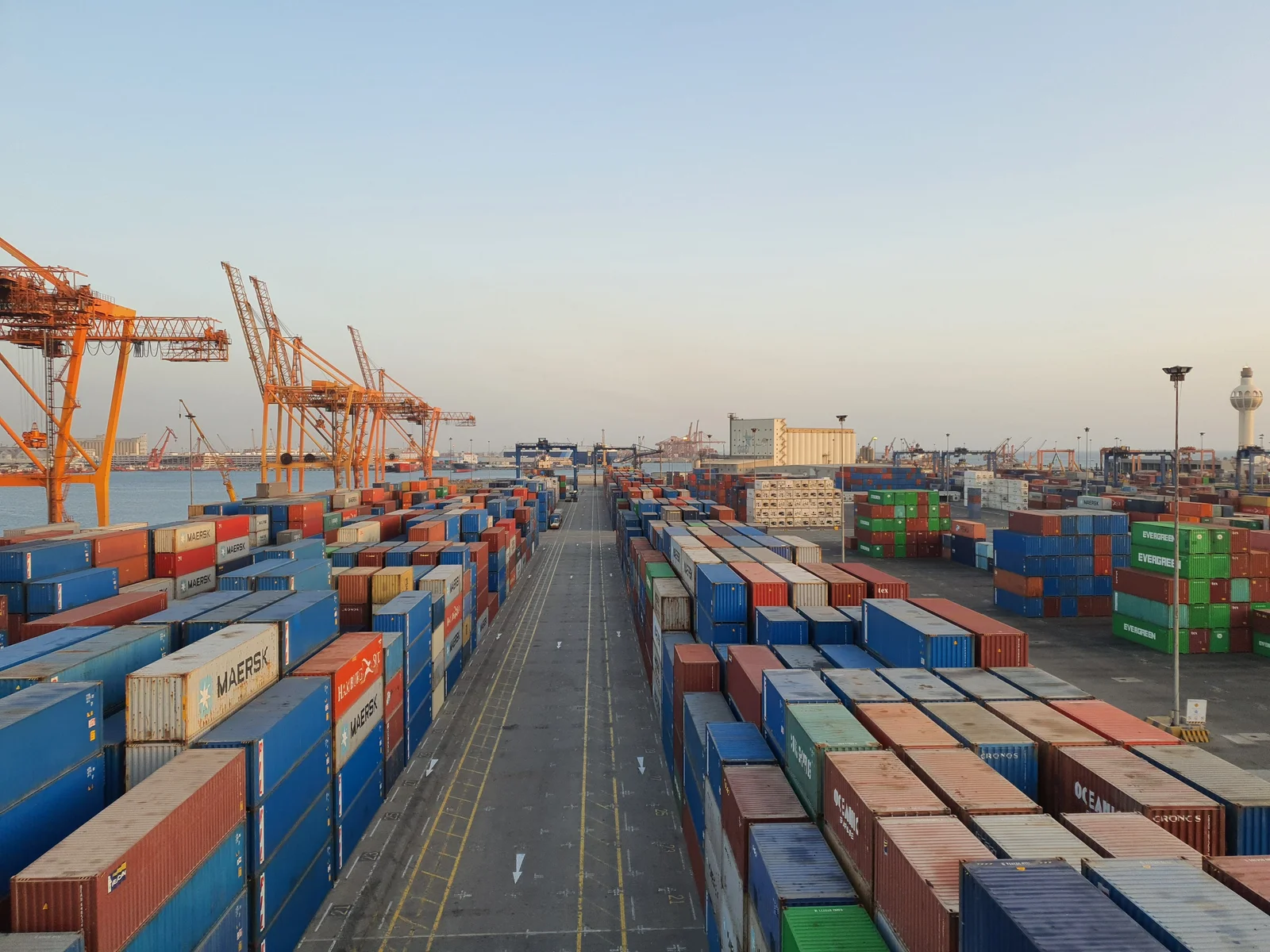
When importing goods by sea, one of the first practical decisions is whether to book a full container load, usually called FCL, or ship as less than container load, usually called LCL. The simple explanation is that FCL gives one shipper exclusive use of a container, while LCL combines cargo from multiple shippers in the same container.
That explanation is correct, but it is not enough to make a good buying decision. Importers also need to compare total origin and destination charges, cargo handling, transit time, container utilization, packaging, damage exposure and the amount of inventory they are willing to move at one time.
The cheapest-looking option on the freight quotation is not always the cheapest option after local charges and operational risks are included. LCL can be efficient for smaller shipments because you pay only for the space you use. FCL can become more economical before the container is physically full because the cost per cubic meter often falls as utilization improves and because the shipment usually requires fewer consolidation steps.
This guide explains how buyers should compare FCL and LCL for commercial imports and when each option tends to make more sense.
What Is FCL Shipping?
FCL means full container load. Despite the name, the container does not have to be completely full. It means that one shipper books exclusive use of the container.
The goods are loaded into a 20-foot, 40-foot or other suitable container depending on the shipment. The importer or exporter pays for the container as a unit rather than sharing the space with unrelated cargo.
FCL is commonly chosen for larger shipments, regular replenishment orders, fragile goods, higher-value cargo or products where reducing handling is important.
One major advantage is control. The cargo does not need to be consolidated with several unrelated shipments before departure and separated again at destination. That normally means fewer handling points between origin and final delivery.
What Is LCL Shipping?
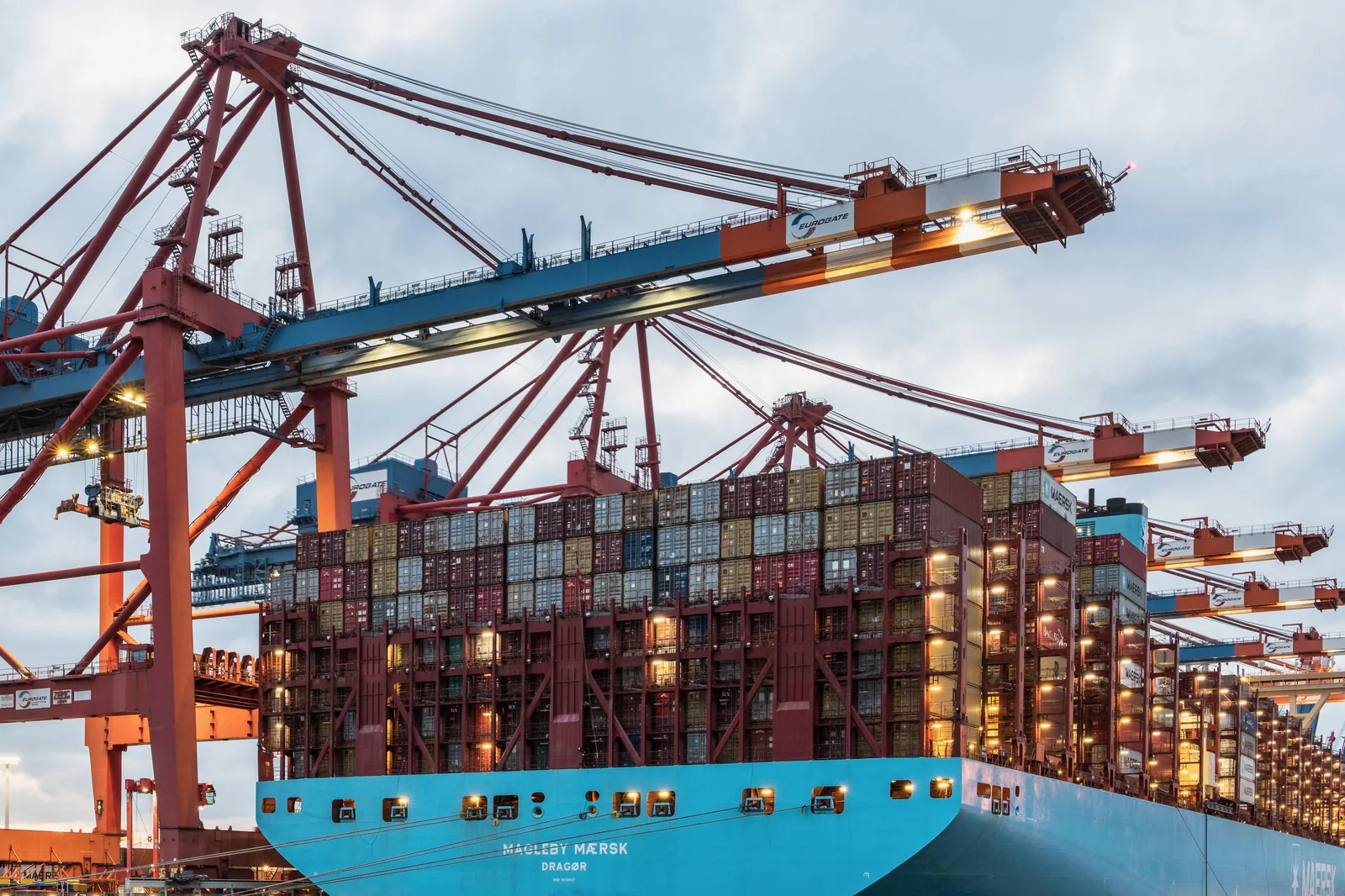
LCL means less than container load. Instead of paying for an entire container, the shipper buys only part of the available space.
A freight forwarder or consolidator combines several LCL shipments into one container. At destination, the container is moved to a warehouse or container freight station where the individual shipments are separated for customs clearance and delivery.
LCL can be attractive for smaller orders because the buyer does not need enough cargo to justify booking the entire container. This makes it useful for first orders, demand testing, smaller replenishment shipments and products with low or irregular purchasing volume.
However, LCL pricing is not simply a smaller version of FCL pricing. Local handling and consolidation charges can make up a meaningful part of the final cost, especially when the shipment is small but still requires several fixed services.
The Most Important Difference Is Not Just Shipment Size
Many buyers use a very simple rule: small shipment equals LCL and large shipment equals FCL. That is useful as a starting point, but it can lead to poor decisions.
The real question is whether the total cost and operational characteristics of one option are better for the specific shipment. Volume matters, but so do cargo density, packaging, route, destination charges, urgency and risk.
For example, a shipment may occupy only part of a container but still be better suited to FCL if the cargo is fragile, difficult to handle or expensive to replace. Another shipment may be fairly large but still work well as LCL if the buyer wants to limit inventory exposure and delivery time is flexible.
That is why buyers should request both FCL and LCL quotations when the shipment is approaching the point where either method could be commercially reasonable.
How LCL Pricing Works
LCL charges are normally based on the volume or chargeable weight of the cargo. Freight providers often use weight or measurement pricing, meaning the shipment is charged according to whichever basis is higher under the applicable tariff.
For most general cargo, volume in cubic meters becomes the main factor. But the freight rate is only part of the invoice. LCL shipments can also include origin warehouse handling, consolidation, documentation, terminal handling, destination deconsolidation and delivery-related charges.
This is where importers can make a costly mistake. A low ocean freight rate per cubic meter may look attractive until destination charges are added. The buyer should therefore ask for the complete charge structure, not just the main ocean freight line.
If you are comparing supplier quotations that use different shipping terms, normalize the commercial basis first. FirmaPanel's Three Suppliers Quote the Same Product: Which Offer Is Actually the Best? explains why apparently cheap supplier offers can become more expensive when freight scope, Incoterms and local charges are different.
How FCL Pricing Works
FCL is generally quoted per container rather than per cubic meter of cargo. The buyer pays for the container whether it is completely full or not.
This creates a different cost curve. At low utilization, FCL may look expensive because part of the container space is unused. As utilization rises, the freight cost is spread across more units and the cost per unit or per cubic meter usually improves.
This is why the FCL decision should not be delayed until a container is literally full. There is often a point where paying for the whole container becomes more competitive than continuing to pay LCL freight and handling charges on a growing shipment.
The crossover point is not universal. It depends on the route, season, equipment availability, port, cargo density, local charges and freight market. Buyers should ask a forwarder for both quotes rather than relying on a fixed global threshold.
Why Destination Charges Matter So Much With LCL
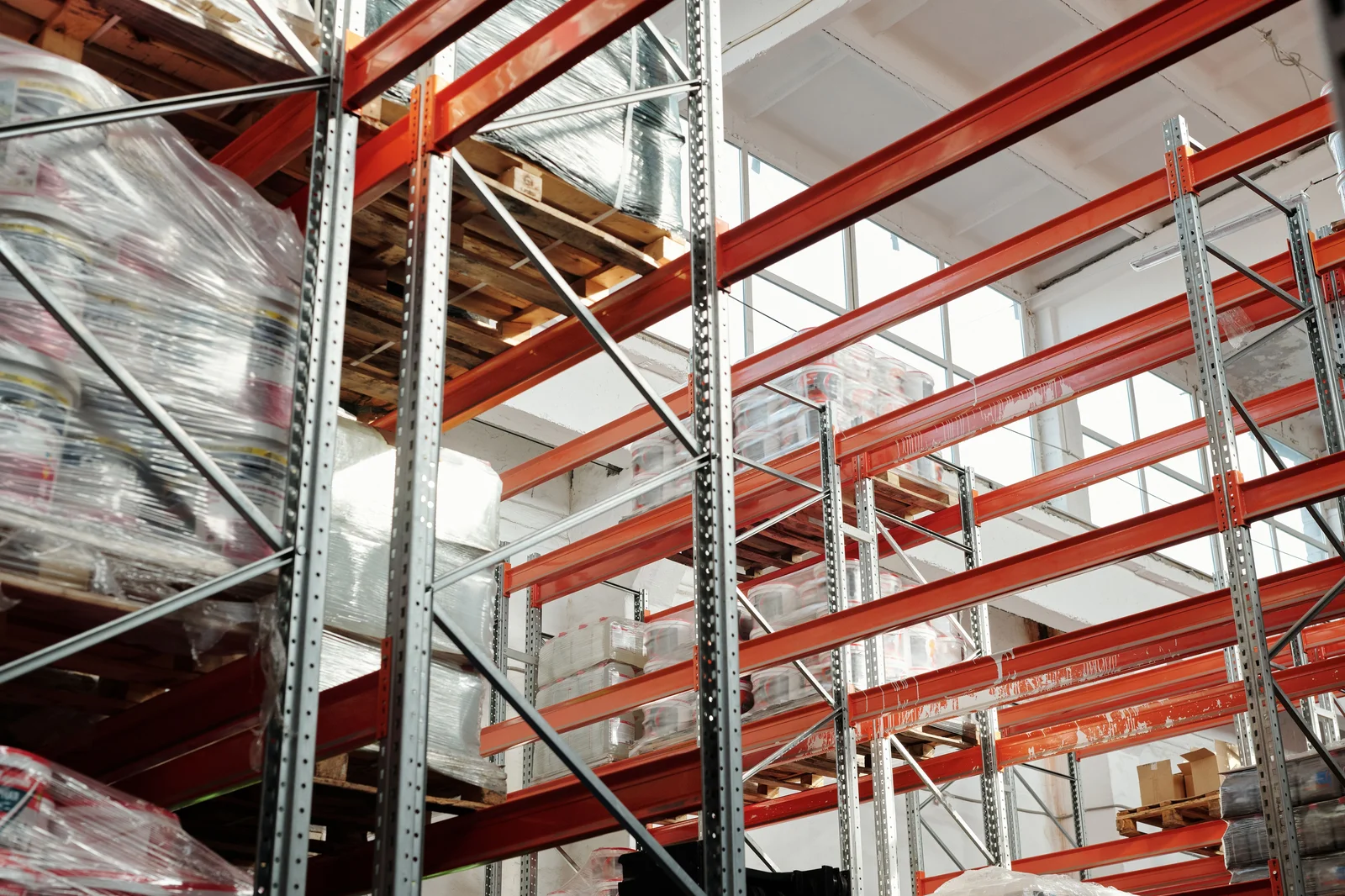
Destination charges can materially change the FCL versus LCL decision. In LCL, your shipment must normally be received, handled, separated and released as part of a consolidated container process. Those services create local warehouse and handling costs.
The importer may see charges for deconsolidation, terminal services, documentation, handling, customs-related processing and local delivery. Some are charged by volume, some by weight and some as fixed fees.
For very small shipments, these fixed charges can make the final cost per unit surprisingly high. A buyer who compares only the international ocean rate may underestimate the total landed cost.
Before choosing LCL, ask for the expected destination charges in writing. If the forwarder cannot provide a reasonable breakdown, the quotation is difficult to compare.
FCL Usually Involves Fewer Cargo Touchpoints
One of the practical advantages of FCL is reduced handling. The cargo can be loaded into the container at origin and, depending on the transport arrangement and customs process, remain together until the container reaches the destination facility.
LCL cargo normally passes through additional consolidation and deconsolidation stages. It may be handled at an origin warehouse, loaded with other shipments, unloaded at destination and then separated for collection or delivery.
More handling does not mean that LCL is unsafe. Millions of LCL shipments move successfully every year. But more handling points create more opportunities for cartons to be moved, stacked, repositioned or exposed to neighboring cargo.
This matters especially for fragile goods, products with delicate retail packaging, irregularly shaped cargo or goods that do not stack well.
Fragile or High-Value Cargo Can Change the Decision
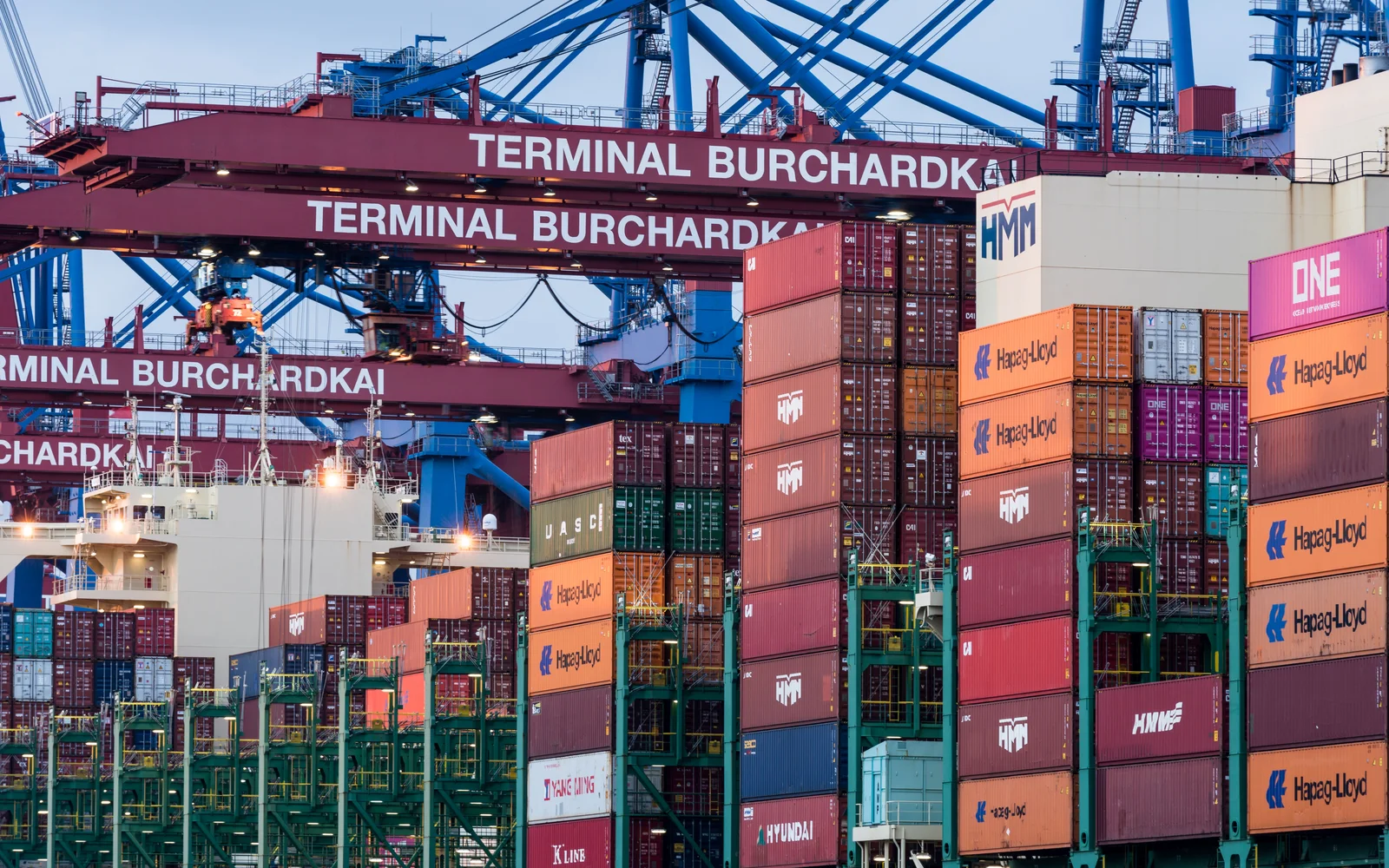
If a product is fragile or expensive to replace, freight cost should not be the only comparison. The buyer should consider the financial impact of damage and the quality of the packaging.
FCL can reduce exposure to repeated handling because the goods are not normally consolidated and separated with multiple unrelated shipments. It can also make load planning easier because the shipper controls how the container is packed.
LCL can still be appropriate for fragile goods if packaging is strong and the consolidator handles the cargo professionally. However, buyers should be realistic about whether cartons, crates or pallets can tolerate warehouse movement and sharing container space with other cargo.
For sensitive products, ask how the freight provider plans to load, stack and protect the shipment rather than assuming that all sea freight is handled in the same way.
Transit Time Can Be Longer With LCL
The vessel transit itself may be similar, but LCL can require additional time before departure and after arrival because the cargo must enter the consolidation process.
At origin, the freight provider needs enough time to receive shipments from different shippers, prepare documentation and build the consolidated container. At destination, the container must be moved to the appropriate facility and separated before individual shipments are released.
These extra steps can add variability even when the ocean sailing is unchanged. FCL often has a simpler operational path because the entire container belongs to one shipment.
If delivery timing is commercially important, compare realistic door-to-door lead times rather than only port-to-port transit days.
LCL Can Reduce Inventory Risk
FCL is often cheaper per unit at higher volumes, but ordering more product just to fill a container can create a different problem: excessive inventory.
If demand is uncertain, increasing the order quantity to improve freight economics can tie up cash, increase storage costs and create slow-moving stock. A lower freight cost per unit does not automatically mean a lower total purchasing cost.
This is especially important for new products, seasonal items, fashion goods, rapidly changing products and first orders from a new supplier.
When deciding how much to buy from a new supplier, freight utilization should be only one input. See How Much Should You Really Order From a New Supplier? for a broader framework covering MOQ, quality risk, cash exposure, demand and landed-cost economics.
When LCL Usually Makes More Sense
LCL is often the stronger option when the shipment is genuinely small and the buyer values flexibility more than the lowest possible freight cost per unit.
It is commonly worth considering when:
- the order occupies only a small portion of a container;
- the buyer is testing a new supplier or product;
- demand is uncertain and the buyer does not want excess inventory;
- orders are irregular or relatively infrequent;
- the cargo is well packed and suitable for additional handling;
- delivery timing is flexible enough to allow consolidation;
- cash flow is more important than maximizing container utilization.
LCL can also support more frequent, smaller replenishment cycles. Instead of waiting until enough cargo is available for FCL, a buyer can ship smaller quantities as needed.
When FCL Usually Makes More Sense
FCL becomes increasingly attractive as shipment volume grows, but volume is not the only reason to choose it.
It is commonly worth considering when:
- the shipment occupies a meaningful share of a container;
- the buyer can use most of the container efficiently;
- the cargo is fragile, high value or sensitive to repeated handling;
- the business needs more predictable transit and handling;
- the shipment contains many cartons or pallets that would generate high LCL handling charges;
- the buyer has enough demand to absorb the inventory;
- the company ships regularly and can plan container volumes in advance.
A buyer should also consider FCL when the difference between the FCL quote and the complete LCL quote becomes relatively small. Paying slightly more for exclusive container use may be commercially sensible if it reduces handling, delays or damage exposure.
Do Not Force an Order to Fill the Container
A common purchasing mistake is adding unnecessary products simply because there is empty space left in a container. This can create poor inventory decisions.
Unused container space feels inefficient, but purchasing goods without demand can be more expensive than paying for partially unused space. The buyer must compare the cost of empty capacity with the cost of financing, storing and eventually discounting unwanted inventory.
Container utilization should improve an already sensible order. It should not determine the order by itself.
If additional stock is genuinely useful, filling more of the container may reduce freight cost per unit. If the additional stock is speculative, leaving some capacity unused may be the better business decision.
Packaging Quality Matters More in LCL
LCL cargo should be prepared for multiple handling stages. Export cartons, pallets and crates need to tolerate warehouse movement, stacking and normal transport pressure.
Weak cartons that might survive a direct warehouse-to-container move can perform poorly when handled several times. Buyers should confirm carton strength, palletization, corner protection, moisture protection and whether the goods can be stacked safely.
If the cargo is non-stackable, oversized or unusually shaped, the forwarder should be told before quoting. Those characteristics can affect both pricing and whether LCL is operationally suitable.
Good packaging is important for FCL too, but LCL generally gives the shipper less control over the surrounding cargo environment.
FCL vs LCL and Incoterms Are Different Decisions
FCL and LCL describe how cargo uses container space. Incoterms define responsibilities between buyer and seller for transport, risk and certain costs. These are related decisions, but they are not the same thing.
You can have an FCA shipment moving as LCL or FCL. You can also have a CIF, CIP, DAP or other arrangement where the underlying sea freight is LCL or FCL.
Buyers should therefore avoid asking only, “Is this FCL or LCL?” They should also ask who controls the freight booking, where risk transfers, which origin and destination costs are included, and who is responsible for customs and inland delivery.
For a broader explanation, see Incoterms 2020 Explained for Importers: FCA, CPT, CIP, FOB, CIF, DAP and DDP. If the shipment is containerized and you are comparing FOB with FCA, FOB vs FCA: Which Should You Use for Container Shipments? explains why the named delivery point matters.
Should You Ask the Supplier to Arrange the Freight?
Some suppliers can quote sea freight together with the goods, while other buyers prefer to use their own forwarder. Either approach can work, but the scope needs to be clear.
If the supplier arranges an LCL shipment, ask exactly which charges are prepaid and which will be collected at destination. A low supplier freight quote can be misleading if the buyer later faces large local charges.
If you use your own forwarder, you usually have better visibility into the logistics quotation and can compare FCL and LCL directly. This can be especially useful when you import regularly or consolidate goods from several suppliers.
The choice should be based on total landed cost and control, not simply on which party can produce the lowest-looking freight line.
Can You Consolidate Products From Multiple Suppliers?
Yes. Buyers purchasing from several nearby suppliers can sometimes consolidate cargo before export. This can reduce the number of separate shipments and improve freight economics.
For smaller shipments, a forwarder may combine the goods into one LCL export. For larger combined volumes, the buyer may be able to build an FCL shipment using products from several suppliers.
This requires coordination. The suppliers need compatible production schedules, the consolidation warehouse must receive the goods on time and documentation must be prepared correctly.
When it works well, buyer-controlled consolidation can make sea freight more efficient without forcing each individual supplier order to reach container size.
FCL vs LCL: A Practical Buyer Comparison
- Small shipment: LCL is often more economical because you pay only for the space used.
- Growing shipment volume: Request both quotes because FCL may become competitive before the container is full.
- Fragile cargo: FCL may reduce handling exposure.
- High-value cargo: Consider security, control and damage risk in addition to freight cost.
- Urgent sea shipment: FCL often has fewer consolidation steps, but compare actual schedules.
- Uncertain demand: LCL can reduce the need to hold excess inventory.
- High destination fees: Review the complete LCL charge breakdown before booking.
- Regular large orders: FCL usually becomes easier to plan and more efficient at scale.
Questions to Ask Your Freight Forwarder
Before deciding between FCL and LCL, ask for enough detail to compare the options on the same basis:
- What is the complete door-to-door or port-to-door cost for each option?
- Which origin charges are included?
- Which destination charges are included?
- How is LCL volume or chargeable weight calculated?
- What is the estimated consolidation time before departure?
- What is the estimated deconsolidation time after arrival?
- How many handling stages will the LCL cargo pass through?
- Is the cargo suitable for stacking and consolidation?
- What container size would be used for FCL?
- At what shipment size does the FCL quote become commercially competitive?
- Are there seasonal surcharges or equipment availability issues?
- What insurance options are available for the shipment?
Buyer Checklist
- Measure the shipment accurately in cubic meters and weight.
- Request both FCL and LCL quotes when the decision is not obvious.
- Compare total origin and destination charges, not only ocean freight.
- Check realistic door-to-door lead time.
- Consider handling and damage exposure.
- Do not increase the purchase quantity only to fill container space.
- Confirm packaging is strong enough for the selected shipping method.
- Keep Incoterm responsibilities separate from the FCL or LCL decision.
- Compare freight cost together with inventory and working-capital impact.
Sourcing Notes
LCL is often the right choice when shipment volume is small, demand is uncertain or the buyer wants to move goods without committing to an entire container. It gives importers flexibility and makes sea freight accessible even when order quantities are modest.
FCL becomes more attractive as volume grows, but the decision is not only about filling every cubic meter. Exclusive container use can also reduce handling, simplify the transport process and improve freight cost per unit.
The best approach is to compare the complete commercial picture. Measure the cargo accurately, request equivalent FCL and LCL quotations, include destination charges, consider realistic transit time and then weigh those freight costs against inventory risk and product sensitivity.
If you are still deciding whether sea freight itself is the right transport mode, compare it with air freight in Air Freight vs Sea Freight: When Does Each Make Sense?. For most importers, the strongest decision is not based on a universal volume rule. It is based on which option produces the best combination of total landed cost, operational control and acceptable risk for that specific order.