Should You Ask for Samples Before Placing a Bulk Order?
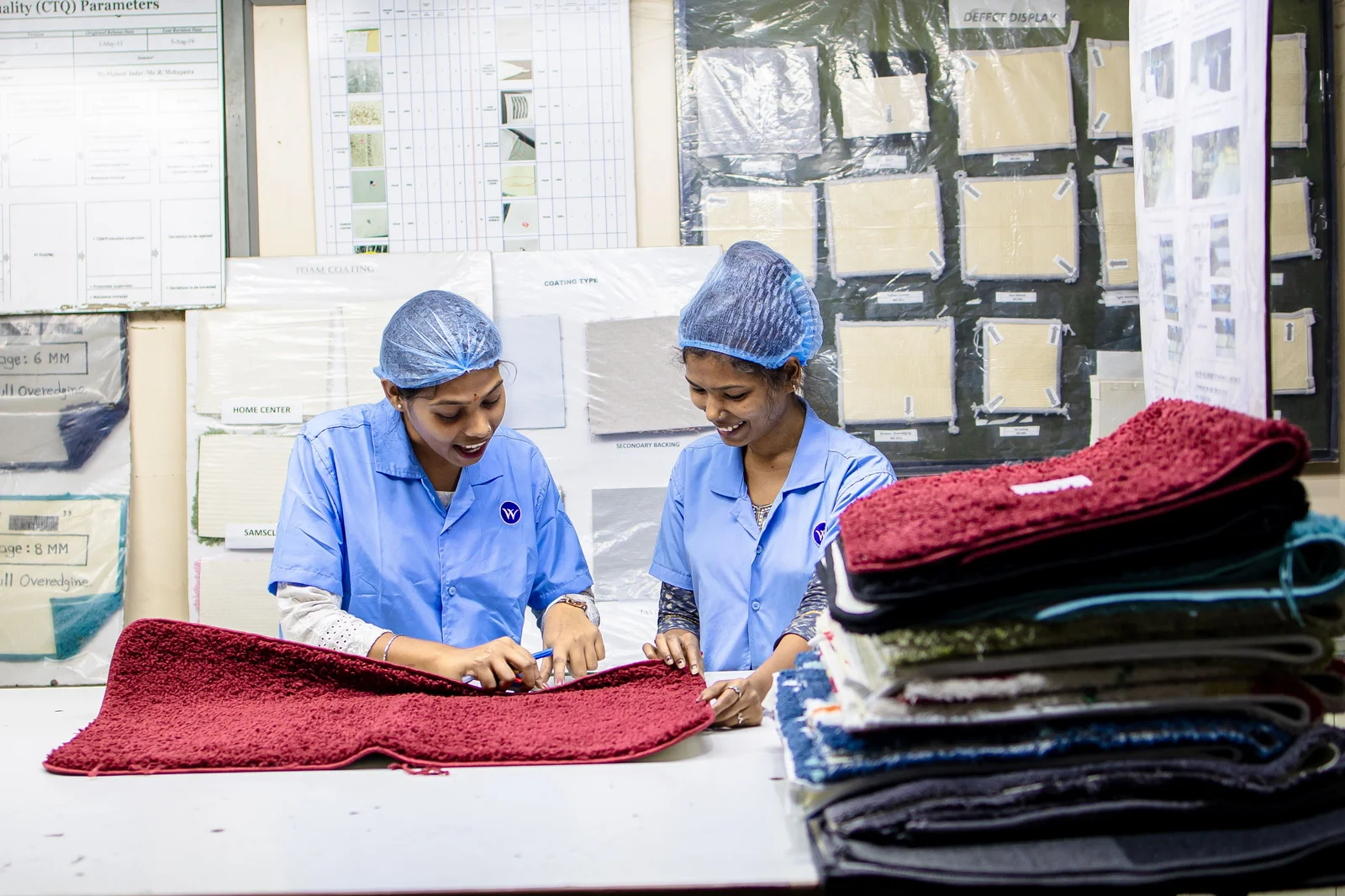
In most sourcing situations, asking for samples before placing a bulk order is a smart step. A sample helps buyers check whether the product generally matches their requirement before they commit to larger production, freight, customs costs and inventory exposure. It can reveal obvious problems early and can prevent expensive misunderstandings about size, finish, material, packaging or basic functionality.
At the same time, buyers often give samples too much importance. A good sample does not guarantee a good bulk order. It only shows that the supplier was able to prepare one or a few units that appear acceptable under sample conditions. Bulk production introduces different risks, including process variation, packaging problems, labeling errors, production delays and inconsistency across the lot.
The practical answer is simple. In many cases, yes, you should ask for samples before bulk ordering. But you should also understand what a sample can validate, what it cannot prove, and when sampling is not enough by itself.
Why Samples Matter in International Sourcing
A sample is one of the fastest ways to reduce uncertainty when buying from a new supplier. It gives the buyer something physical to inspect rather than relying only on product photos, catalog descriptions or quotations.
For standard products, a sample can confirm whether the item looks commercially acceptable and whether its quality level is close to what the supplier promised. For custom or private-label products, the sample becomes even more important because it helps confirm specifications before the supplier begins bulk production.
Without sampling, buyers may discover problems only after a production run is completed and shipped. By that stage, correcting the mistake may require rework, discounting, returns, replacement production or even a complete write-off.
What a Sample Can Actually Help You Verify

Samples are useful because they can help verify several core product points before the full order moves ahead. Buyers can inspect material, surface finish, dimensions, color, weight, construction, basic performance and visible workmanship.
They can also compare the product against their own drawings, reference items, packaging expectations or target-market requirements. If the product will be sold to customers, internal teams can review whether it feels marketable at the intended price point.
For some categories, a sample also helps check fit or compatibility. If a component must work with another product, a sample may reveal interface issues that are difficult to identify from technical sheets alone.
When packaging matters, buyers may request packaging samples or pre-shipment packing details in addition to the product sample. This is especially important for fragile goods, retail products and export shipments expected to travel long distances.
What a Sample Cannot Prove
The biggest mistake in sourcing is assuming that one successful sample means the supplier is fully qualified. It does not. A sample does not prove that the factory can hold the same quality level across hundreds or thousands of units.
It also does not prove that the supplier can maintain stable raw materials, meet the agreed schedule, package goods consistently, apply labels correctly, prepare export documents accurately or respond well if defects are found during inspection.
Some suppliers prepare their best possible sample with exceptional care, only for bulk production to be handled under very different conditions. The sample may come from a different machine setting, a different operator or even a different material lot than the main order.
In other words, the sample is useful evidence, but it is not final proof of process control or commercial reliability.
When Asking for Samples Is Especially Important
There are sourcing situations where buyers should strongly prefer sampling before approving a bulk order.
One common case is a new supplier relationship. If your company has never purchased from the supplier before, a sample helps reduce the information gap before larger money is committed.
Another important case is any custom, OEM, ODM or private-label product. Whenever a supplier must follow your drawings, branding, dimensions, labeling or packaging instructions, the risk of misunderstanding is higher. A sample gives both sides something concrete to confirm before production begins.
Sampling is also highly advisable when product quality affects safety, compliance, customer complaints or after-sales cost. If the item could generate returns, damage reputation or create regulatory issues, early verification is worth the extra time.
Products with visible finish requirements are another good example. Color tone, texture, printing quality, stitching, coating or appearance may look acceptable in photos but disappointing in person. A sample makes the decision more reliable.
When a Sample May Be Less Critical
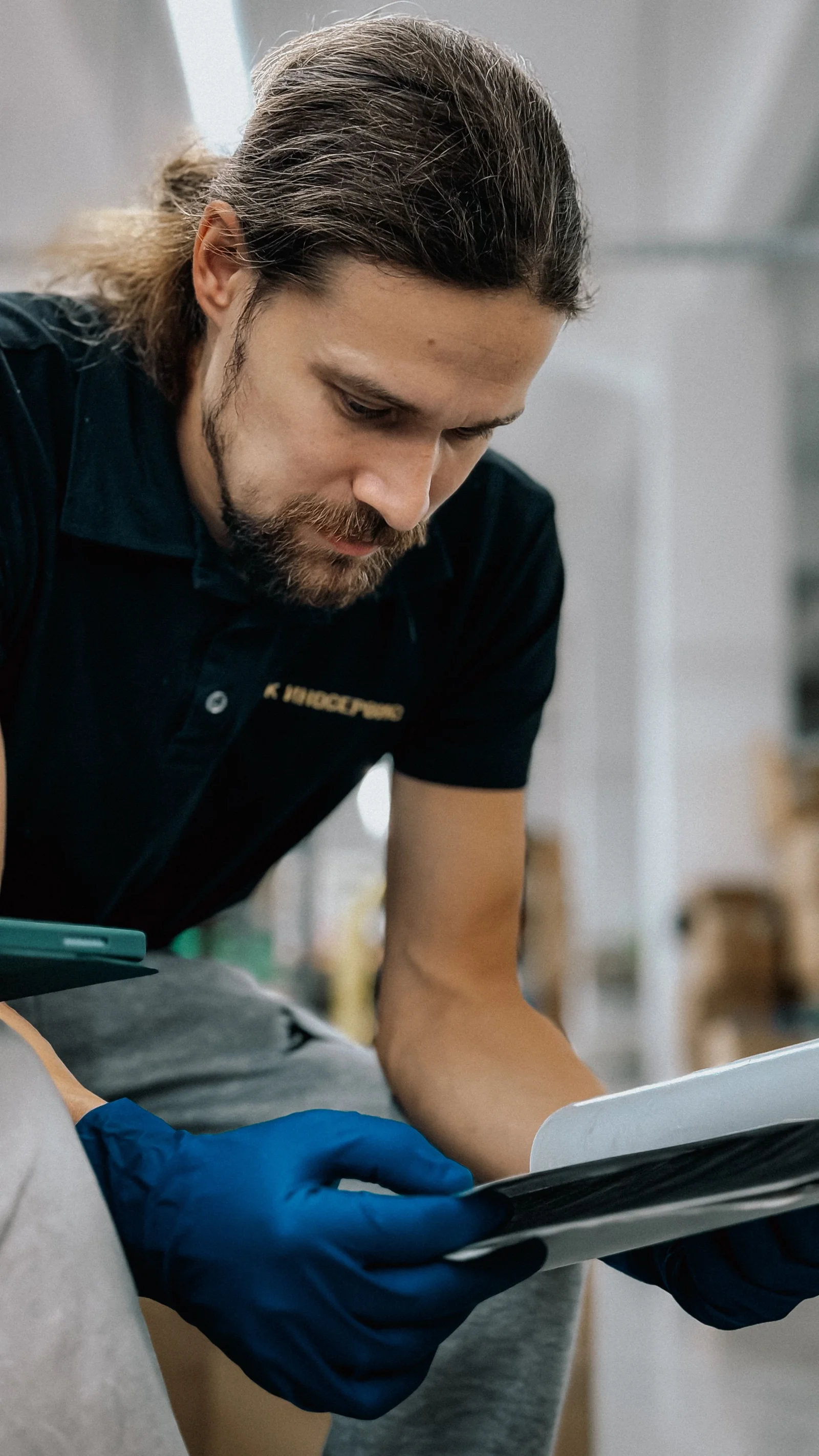
There are cases where a separate sample may be less essential, though buyers should still think carefully before skipping it. This is more common when the product is highly standardized, low risk and already familiar to the buyer.
For example, if you are buying a commodity-like product with stable specifications, low unit value and easy inspection, the commercial case for formal sampling may be weaker. The same may apply when you are reordering an unchanged item from a supplier with a proven history.
Even in those cases, however, buyers should still confirm specifications, production conditions and inspection arrangements. Skipping a physical sample should be a conscious decision based on low risk, not a habit driven by speed alone.
Different Types of Samples Buyers Should Understand
Not all samples serve the same purpose. Buyers should be clear about what kind of sample they are requesting.
Reference samples show the general product type and supplier capability. They are useful early in sourcing but may not reflect final customization.
Customized samples are made to the buyer's own specification, branding or packaging requirement. These are more useful before confirming a custom bulk order.
Pre-production samples are especially important because they are intended to represent what bulk production should follow. They should be approved carefully and documented clearly.
Production samples or early-run samples may sometimes be drawn from actual production conditions, which can give better confidence than a separately prepared showroom sample.
Understanding these differences helps prevent a mismatch between what the buyer approved and what the supplier later manufactures.
How to Evaluate a Sample Properly
Many buyers request a sample but evaluate it too casually. A proper review should be structured. If the product has technical or commercial importance, create a simple checklist tied to the actual purchase requirement.
Check dimensions, material, finish, weight, assembly, markings, packaging, accessories, labeling and any visible quality issues. Test the product in the way it will actually be used. If necessary, involve engineering, operations, quality or sales teams rather than leaving the decision only to procurement.
Document the review clearly. If the sample is approved, keep a dated record of what was accepted. If changes are needed, communicate them precisely and avoid vague comments like “make it better” or “same as discussed.”
The clearer the sample approval stage is, the easier it becomes to hold the supplier accountable during production and inspection.
Should You Pay for Samples?
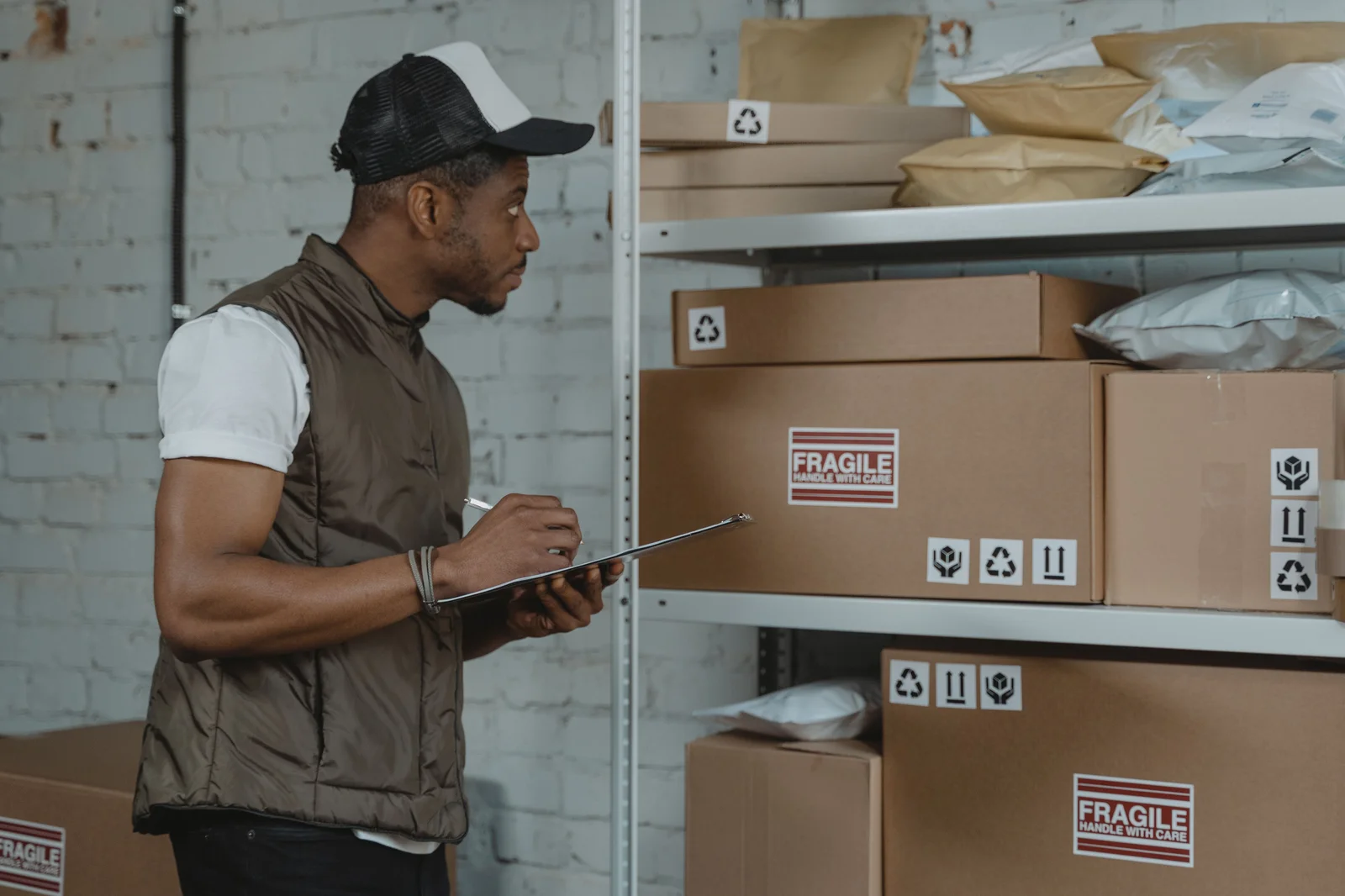
In many cases, yes. Buyers often hope suppliers will provide free samples, but free sampling is not always realistic. The supplier may incur material, labor, tooling, finishing or courier costs, especially for custom items or heavier goods.
Paying for a sample is not necessarily a bad sign. In fact, paying for a serious sample can sometimes improve the process because it makes the request commercially meaningful and encourages more disciplined preparation.
What matters more is transparency. Buyers should know whether they are paying only courier charges, the product cost itself, mold or setup charges, or some combination of these. They should also ask whether sample costs can later be credited against the bulk order.
The real question is not whether the sample is free. The real question is whether the sample gives enough decision value to justify its cost and time.
How Samples Fit Into Supplier Qualification
Sampling should be treated as one part of supplier qualification, not the entire qualification process. A strong sourcing decision normally combines several checks.
These may include quotation review, specification matching, commercial terms, lead time analysis, communication quality, factory background, inspection planning, payment terms and document readiness. The size of the eventual first commercial order should then reflect how much confidence you have built. For that decision, see How Much Should You Really Order From a New Supplier?.
If the purchase is strategically important, buyers may also want production photos, video calls, process explanations or third-party inspection arrangements. For some products, compliance documents or laboratory testing are more important than appearance alone.
A supplier who sends a good sample but communicates poorly, avoids clear answers, resists inspection or provides inconsistent documentation may still be a weak choice for bulk purchasing.
Can a Sample Replace Pre-Shipment Inspection?
No. A sample and a pre-shipment inspection serve different purposes. A sample helps the buyer decide whether the supplier and product appear suitable before full commitment. A pre-shipment inspection checks whether the actual bulk goods meet expectations before shipment or final payment.
Even if a sample was approved, inspection may still reveal variation in dimensions, workmanship, carton labeling, quantity or packaging. This is why buyers should not use sample approval as a reason to skip normal quality controls when the order value or risk is meaningful.
For many bulk orders, the safest path is simple: approve the right sample first, then verify the final goods separately.
Common Mistakes Buyers Make With Samples

One common mistake is requesting a sample without first defining the actual requirement. If the buyer gives unclear instructions, the sample may be acceptable only because the standard was vague from the beginning.
Another mistake is approving a sample informally through chat messages without preserving exact details. Later, when bulk goods differ, the buyer has little evidence of what was truly approved.
Some buyers also focus only on the unit itself and ignore packaging, labeling or accessory details, even though those are common sources of commercial problems. Others assume the sample quality will automatically carry into mass production without planning inspection or production controls.
A final mistake is over-testing low-value decisions and under-testing high-risk ones. Sampling should be proportional to the business risk. Critical items deserve a disciplined review. Very simple items may need a lighter approach.
Questions to Ask Before Deciding Whether a Sample Is Needed
- Is this a new supplier or a proven supplier?
- Is the product standard or customized?
- Would a defect be costly to repair, return or replace?
- Does appearance strongly affect customer acceptance?
- Are there compliance, safety or certification concerns?
- Can the product be fully evaluated from drawings and data alone?
- Will packaging performance matter in transport or retail sale?
- How expensive would a bulk-order mistake be compared with sample cost?
- Will a pre-production sample clarify expectations for inspection?
- Do we need a physical approval record before mass production starts?
Buyer Checklist
- Define the exact product requirement before requesting the sample.
- Specify whether you need a reference sample, customized sample or pre-production sample.
- Inspect the sample against a written checklist.
- Confirm packaging, labels and accessories if they matter commercially.
- Document approval comments clearly.
- Do not assume sample success guarantees bulk consistency.
- Use inspection or other controls for the actual production lot.
Sourcing Notes
In most cases, asking for samples before placing a bulk order is a sensible and relatively low-cost way to reduce sourcing risk. Samples help buyers confirm whether the supplier generally understands the product requirement and whether the item appears commercially acceptable before larger funds are committed.
But a sample should not be treated as proof that the supplier is fully qualified. It is one step in a broader decision that also includes production capability, communication, inspection planning, documentation and commercial reliability.
The best approach is practical. Use samples where they add real decision value, especially with new suppliers, customized products and higher-risk purchases. Approve them carefully, document them clearly and remember that bulk production still needs its own control process.