Air Freight vs Sea Freight: When Does Each Make Sense?
 Choosing between air freight and sea freight is not simply a question of paying more for speed or waiting longer to save money. For importers, distributors and procurement teams, the better option depends on shipment size, product value, required delivery date, inventory position, demand uncertainty and the financial cost of having goods tied up in transit. A shipment that looks expensive by air can sometimes protect sales or prevent a production stoppage, while a shipment that looks cheap by sea can become costly if long transit times force you to hold too much stock.
The practical question is therefore not “Which freight mode is cheaper?” but “Which freight mode creates the lowest total business cost for this shipment?” That distinction matters because transport cost is only one part of the decision.
The Core Difference: Speed, Capacity and Cost
Air freight is built around speed. International airport-to-airport movement can be measured in days rather than weeks, which makes it useful when inventory is urgent, products are time-sensitive or the value of avoiding delay is high. It also tends to involve more predictable schedules on major trade lanes, although airport congestion, security controls, capacity limits and connecting flights can still cause delays.
Sea freight is built around scale. Containers allow large quantities to move at a much lower transportation cost per kilogram or cubic meter than air freight. For bulky, heavy or lower-value goods, this difference can be decisive. The trade-off is a longer supply chain with more time spent at origin terminals, on the vessel, during transshipment and at destination ports.
For many buyers, the choice becomes clear when they compare not only the freight quotation but also the value and urgency of the cargo.
When Air Freight Makes Sense
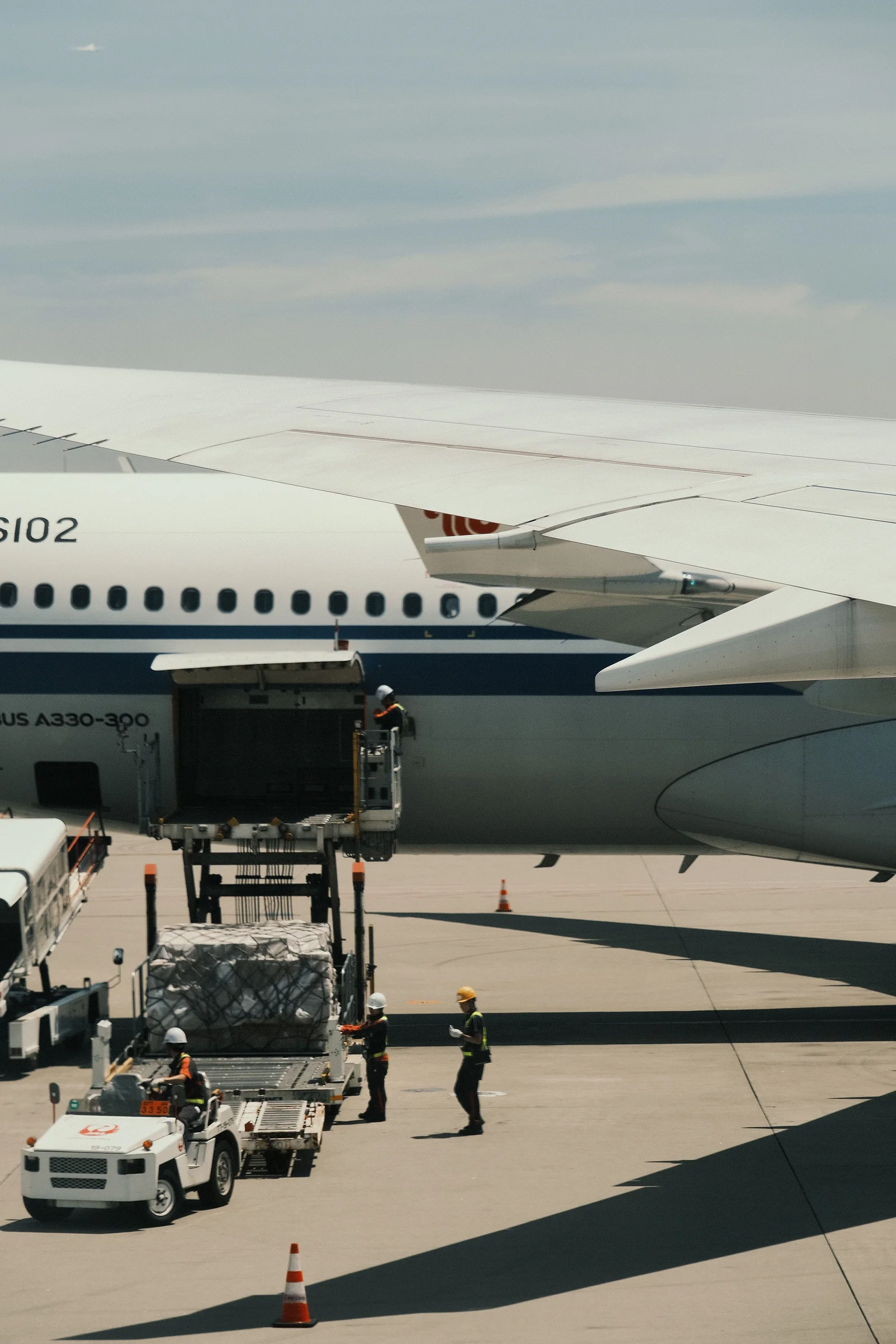 Air freight is usually most attractive when the commercial impact of delay is larger than the additional freight cost. That can happen when a buyer is replenishing a fast-selling product, launching a new line, replacing defective inventory or supplying components that are needed to keep a production process running.
It can also make sense for high-value goods where freight represents only a small percentage of the product value. A shipment of compact, valuable components may absorb air freight more easily than a shipment of low-value, bulky goods. The important comparison is freight cost as a percentage of the shipment's gross margin or commercial value, not freight cost alone.
Air freight is commonly worth considering when:
- the goods are urgently needed to avoid lost sales or production delays;
- the shipment is relatively small, compact or lightweight;
- the products have a high value relative to their weight or volume;
- the buyer is testing demand with an initial order and does not want to commit to a full container;
- the products are seasonal, promotional or tied to a fixed launch date;
- the cost of holding extra inventory is significant;
- the buyer needs replacement goods quickly after a quality or delivery problem.
Air freight can also be used selectively instead of for the entire order. A buyer may ship a small emergency quantity by air and send the balance by sea, reducing the cost of the expedited portion while still protecting continuity of supply.
When Sea Freight Makes Sense
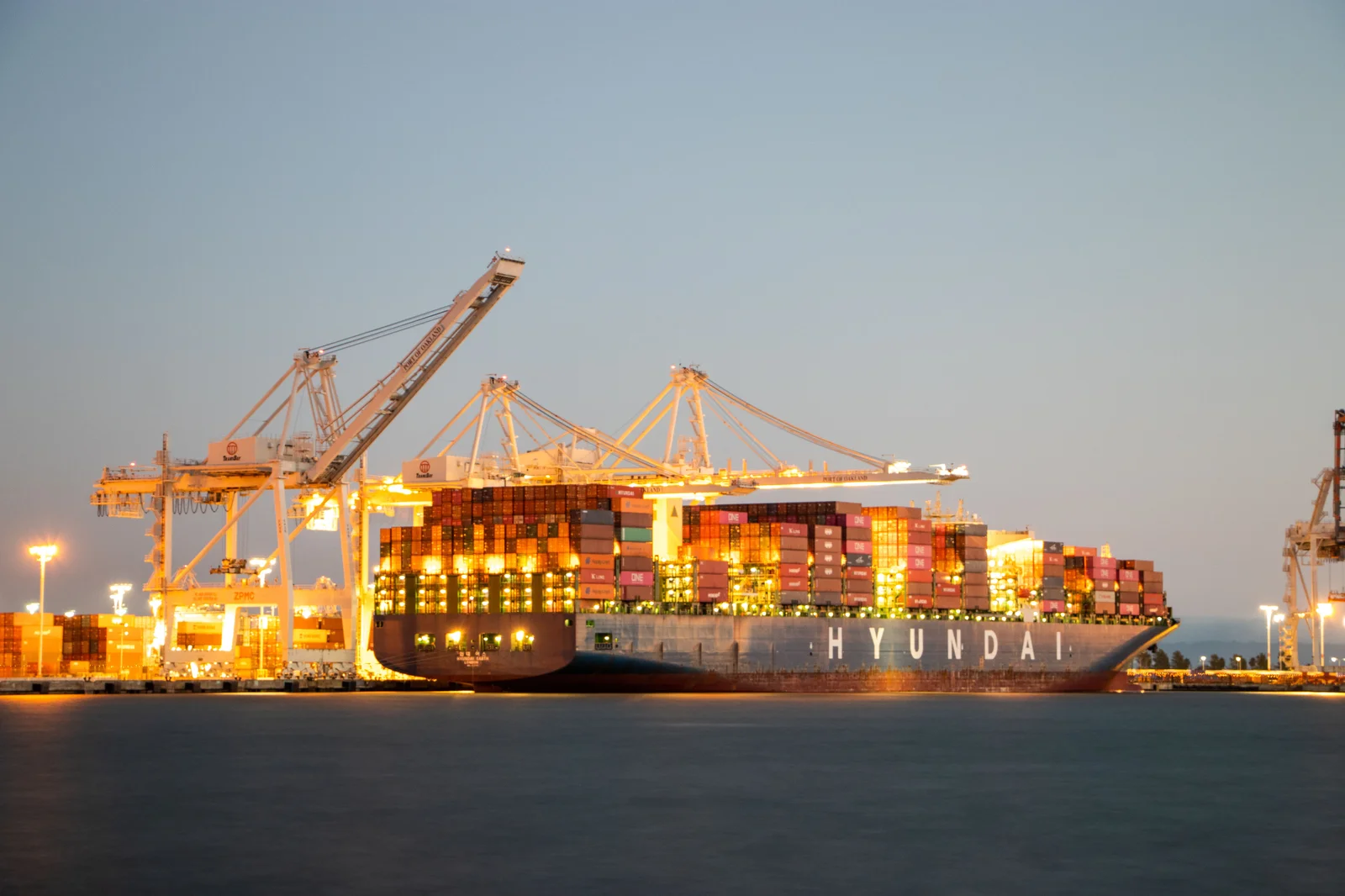 Sea freight is normally the stronger option when shipment size is large, products are heavy or bulky, and delivery dates can accommodate longer lead times. It is particularly suitable for regular replenishment programs where the buyer can forecast demand and plan inventory in advance.
The economics improve as shipment volume grows. Once a buyer can efficiently use a full container, the freight cost per unit can become much lower than moving the same quantity by air. Even less-than-container-load shipments can be economical when the cargo is not urgent, although buyers should pay close attention to consolidation, terminal and destination handling charges.
Sea freight is commonly appropriate when:
- the shipment contains large or heavy quantities;
- unit margins cannot absorb premium air freight;
- the buyer has enough inventory to cover the longer transit period;
- demand is reasonably predictable;
- the products are not highly time-sensitive;
- the order is large enough to make container utilization efficient;
- the supplier and buyer operate on a stable recurring schedule.
For routine procurement, sea freight often becomes the default once the supply chain is mature enough to support accurate ordering and inventory planning.
Do Not Compare Freight Rates Without Comparing Total Landed Cost
A common mistake is to compare only the air freight quotation against the ocean freight quotation. The real decision should include all costs required to bring the goods into usable inventory.
With sea freight, buyers may face origin charges, documentation fees, port handling, consolidation charges, destination terminal fees, customs clearance, inland delivery and possible demurrage or storage if the shipment is not collected on time. Air freight has its own terminal, security, handling and delivery charges. The structure is different, so a simple comparison of the headline freight rate can be misleading.
Before choosing either mode, buyers should compare door-to-door or otherwise equivalent scopes. A quotation for airport-to-airport air freight should not be compared directly with a door-delivered sea freight quotation. The same named origin and destination points should be used wherever possible.
It also helps to review the wider shipping process before cargo moves. FirmaPanel's International Trade Shipment Checklist: 25 Things Importers and Exporters Should Verify can be used as a reference for checking commercial terms, documents, classification, packaging, insurance and other shipment details that can affect the final landed cost.
Inventory Cost Can Change the Answer
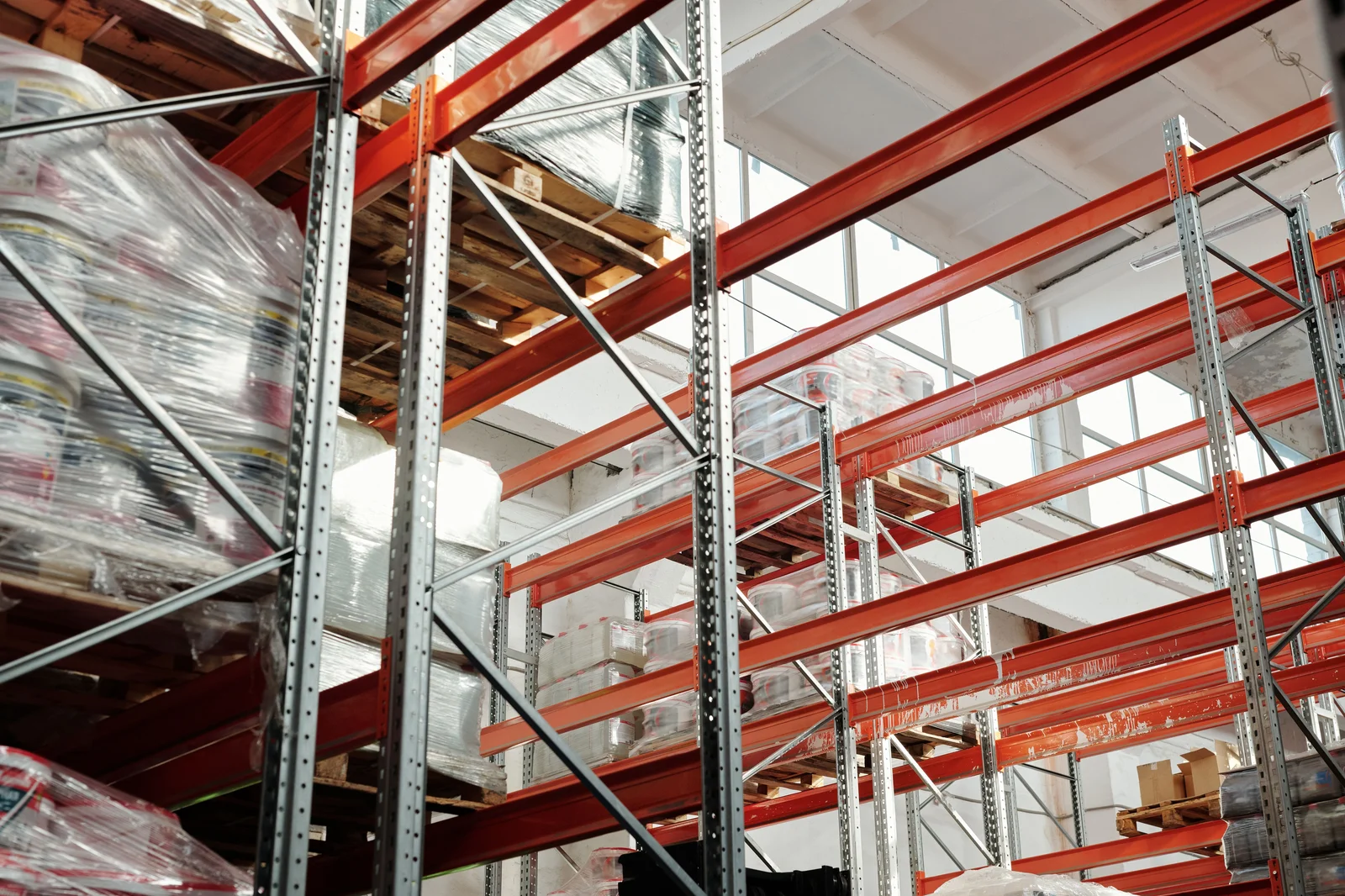 Longer transit times require buyers to finance goods for a longer period before they can sell or use them. They may also need more safety stock because replenishment takes longer. For products with high financing costs, rapid obsolescence or unpredictable demand, this inventory burden can narrow the apparent cost advantage of sea freight.
Imagine two freight options where sea freight saves a meaningful amount on transportation but adds several weeks of transit. If the buyer must purchase extra stock to cover those weeks, the real cash tied up in the supply chain may be much higher. For a slow-moving product this may be manageable. For a rapidly changing product range, the risk of being left with excess inventory can be more important than the freight saving.
This is why buyers should evaluate freight together with inventory turnover, forecast accuracy and working-capital requirements.
Shipment Size and Product Density Matter
Freight is not priced only by actual weight. Air carriers often use chargeable weight based on the greater of actual and volumetric weight, which can make lightweight but bulky products unexpectedly expensive. A product such as cushions, empty plastic containers or other low-density goods may have modest actual weight but consume substantial aircraft space.
Sea freight is generally better suited to bulky cargo, but container utilization still matters. Poorly packed goods can waste container space and raise freight cost per unit. Product dimensions, carton design, pallet configuration and whether goods can be safely stacked should therefore be considered before comparing modes.
Procurement teams can often improve freight economics without changing transport mode simply by improving packaging density or coordinating orders so that shipments use available space more efficiently.
Reliability Is More Than Transit Time
Air freight usually offers shorter transit time, but a reliable supply chain depends on more than the number of days in transit. Buyers should look at schedule frequency, available capacity, cut-off times, transshipment points, seasonal congestion and the quality of local handling at both ends.
Sea freight may have a longer planned lead time but can still work very reliably when orders are placed early and the route has regular sailings. Problems arise when a buyer plans inventory around an optimistic vessel schedule with no allowance for rollover, port congestion or customs delays.
The best freight mode is therefore the one whose realistic lead-time range fits the business requirement, not the one with the shortest advertised transit time.
Air Freight and Sea Freight Can Be Used Together
Importers do not have to make a permanent choice between air and sea. Many supply chains use both. Sea freight can handle regular base demand, while air freight is reserved for urgent replenishment, unexpected sales spikes, samples, spare parts or small high-priority quantities.
This mixed strategy can be particularly useful when working with a new supplier. A buyer may send an initial smaller quantity by air to start selling or testing the market while the larger sea shipment is already in production or transit. Once demand becomes more predictable, a greater share can move by sea.
The same approach can reduce risk when a supplier finishes only part of an order on time. Instead of delaying the entire shipment or sending everything by air, the buyer can prioritize the units that are commercially urgent.
A Practical Decision Framework
Before booking freight, buyers can work through a short set of commercial questions:
- What is the latest acceptable delivery date?
- How much revenue, production output or customer service is at risk if the goods arrive late?
- What is the shipment's actual weight and volumetric size?
- What percentage of product value would each freight option represent?
- How much inventory is already available?
- How predictable is future demand?
- How much capital will be tied up during transit?
- Are the air and sea quotations based on equivalent origin and destination points?
- Could part of the shipment move by air and the balance by sea?
If delivery speed protects more value than the air freight premium costs, air freight can be commercially rational. If the buyer has enough lead time and shipment volume to benefit from container economics, sea freight is usually the more efficient choice.
Which One Should You Choose?
Air freight makes the most sense when time is expensive. Sea freight makes the most sense when space and weight are expensive. The right decision depends on which constraint matters more for a specific order.
For urgent, compact and high-value shipments, the higher transport rate of air freight can be justified by faster replenishment and lower inventory exposure. For larger, heavier and predictable orders, sea freight normally provides a much lower cost per unit and better scalability.
The strongest procurement strategy is not to treat either mode as automatically better. Compare the full landed cost, realistic lead time, inventory impact and commercial consequences of delay. In many international supply chains, the most efficient answer is to plan regular volume by sea and keep air freight available as a controlled tool for urgency rather than as an emergency decision made after stock has already run out.