Cutlery Manufacturers in Japan: Japanese Kitchen Knife Suppliers
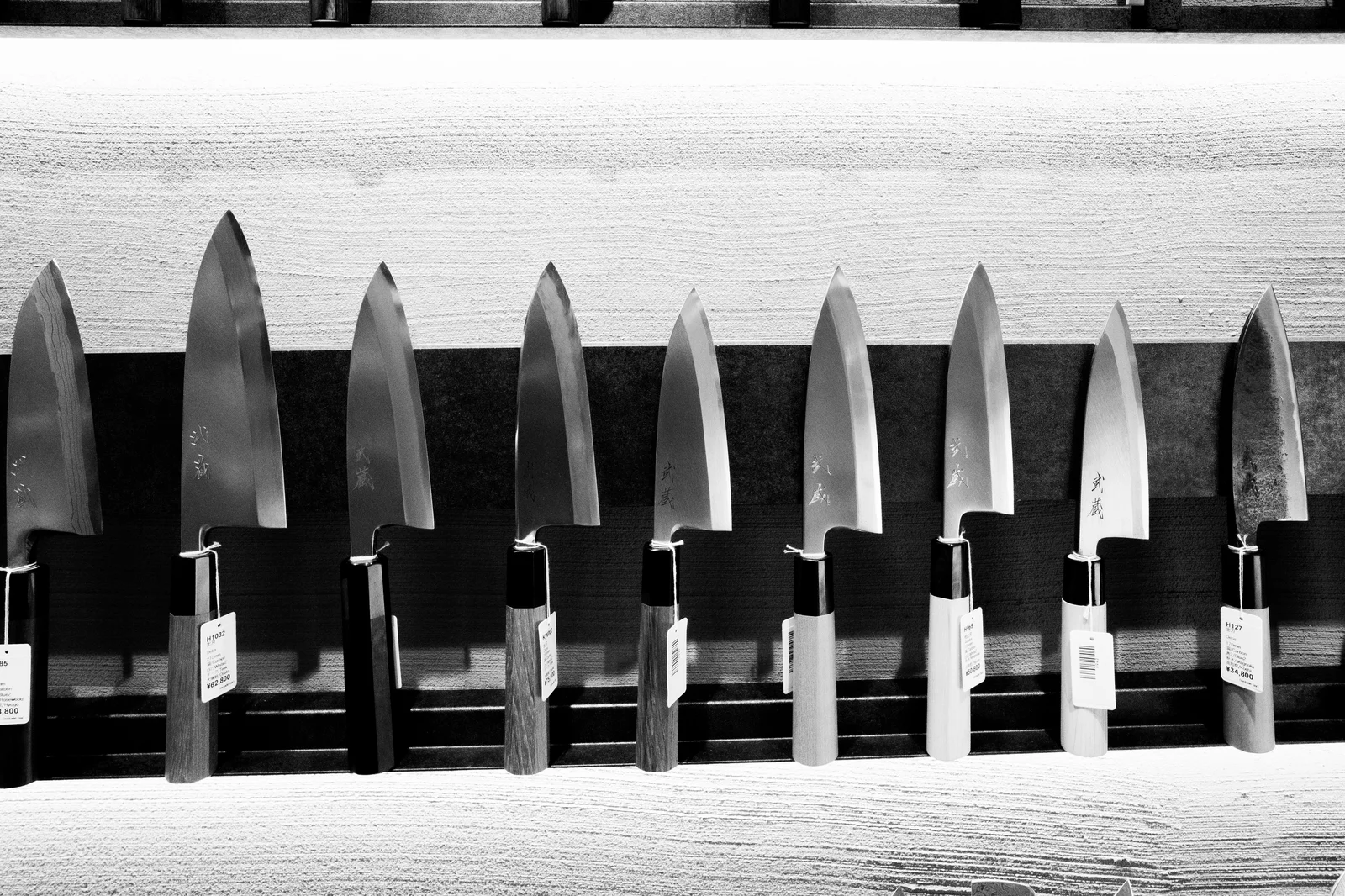
Japan is an important sourcing market for buyers looking for premium kitchen knives, professional cutting tools and selected tableware. FirmaPanel currently lists 82 approved cutlery products from 24 Japanese suppliers, with particularly strong inventory in chef knives, Damascus knives, VG10 blades, traditional Japanese knife styles and sharpening products.
For importers, cookware retailers, restaurant suppliers, kitchenware distributors and private-label buyers, the main benefit is choice: you can compare different blade materials, product positions and supplier ranges before sending quotation requests.
Selected Japanese cutlery and knife suppliers
These FirmaPanel supplier profiles represent several different parts of the Japanese cutlery market, from established knife brands to specialist manufacturers and exporters.
 Hokiyama Cutlery Co., Ltd.
 Kai Corporation
 KATAOKA & Co., Ltd.
 MUSASHI JAPAN
 Suncraft Company Limited
 TOJIRO Co., Ltd.
 Yaxell Corporation
Japanese cutlery products available on FirmaPanel
The current inventory includes Damascus knife collections, VG10 kitchen knives, Japanese-style chef knives and premium stainless-steel ranges. Buyers can use these products to identify the construction, price position and design direction they want before approaching suppliers.
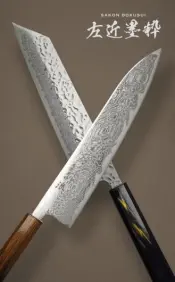 SAKON Bokusui Nickel Damask Knives
 Shun Classic Damask Knives
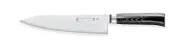 TAMAHAGANE Japanese Knife
 VG-10 Damascus Knife
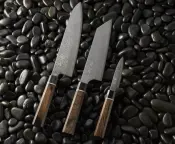 Suncraft SENZO Black Knife
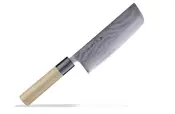 TOJIRO SHIPPU VG10 Damascus Knife
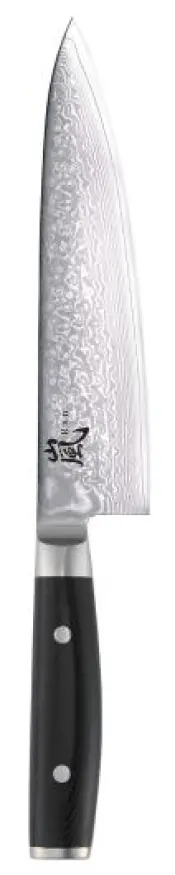 Yaxell RAN Stainless Steel
Compare the steel before comparing the price
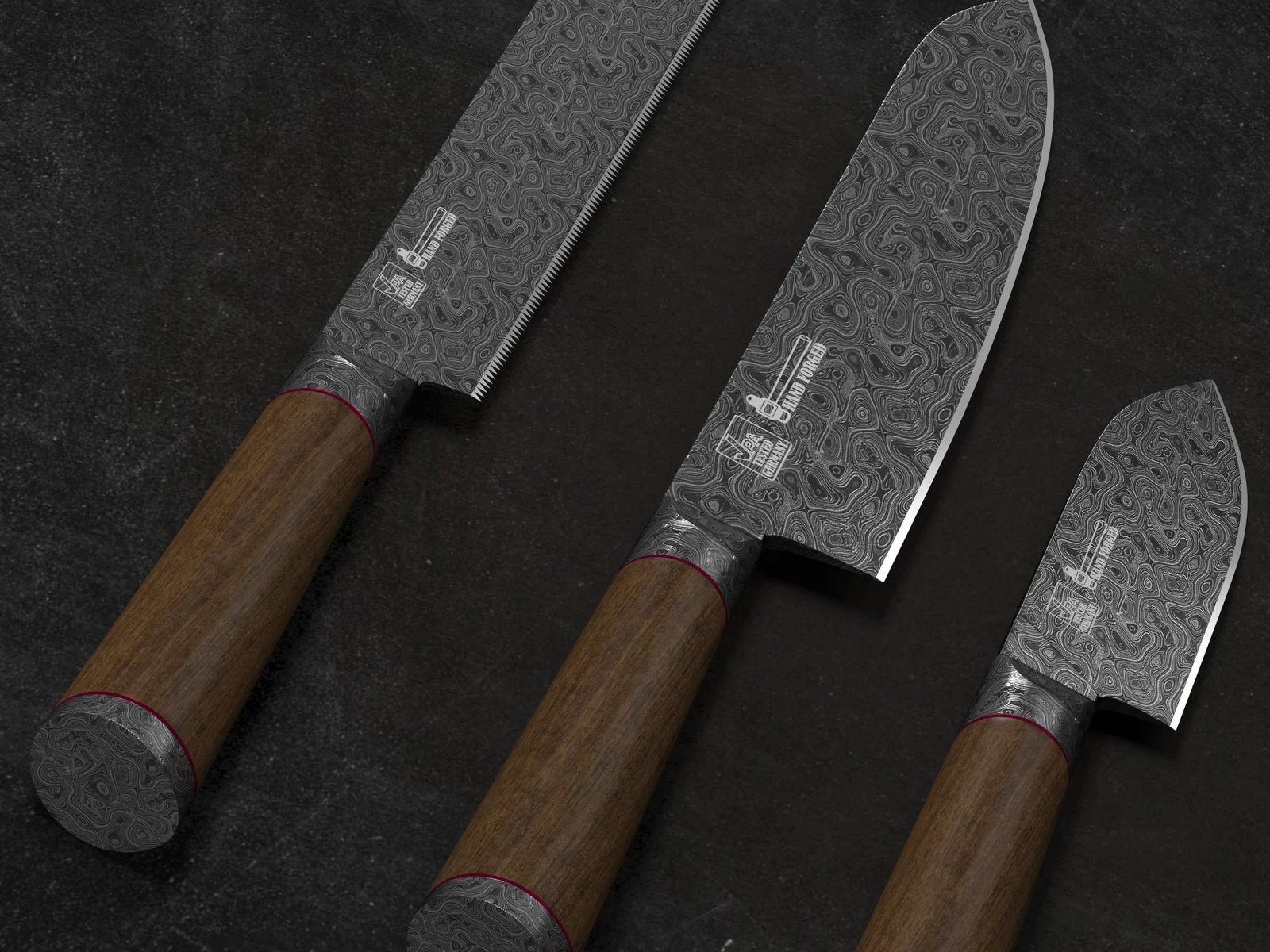
Two Japanese knives can look similar while being very different commercial products. Before comparing quotations, buyers should specify the steel or performance level they need. FirmaPanel listings in this category include VG10, Damascus constructions, Aogami-Super and other Japanese knife ranges.
Ask suppliers for the blade steel, hardness range, blade construction, edge type, handle material and country of manufacture. If the knife will be sold under your own brand, also confirm whether the steel grade and manufacturing origin can be stated on packaging and product documentation.
This makes supplier comparisons much more meaningful. A lower-priced knife made with a different steel, construction or finishing process is not necessarily an equivalent offer.
Choose the knife type for the customer you serve
A restaurant-equipment distributor may need durable chef knives that are easy to maintain. A specialist cookware retailer may prefer Damascus finishes and higher-value presentation. A supermarket or general homeware chain may place more importance on price points, packaging and consistent repeat supply.
Define the intended buyer before requesting quotations. Useful categories to specify include chef knives, santoku knives, utility knives, bread knives, slicing knives, Japanese-style specialty blades and knife sets. This helps suppliers propose products that fit your actual sales channel rather than sending a broad catalogue.
Cutlery sourcing is not only about knives
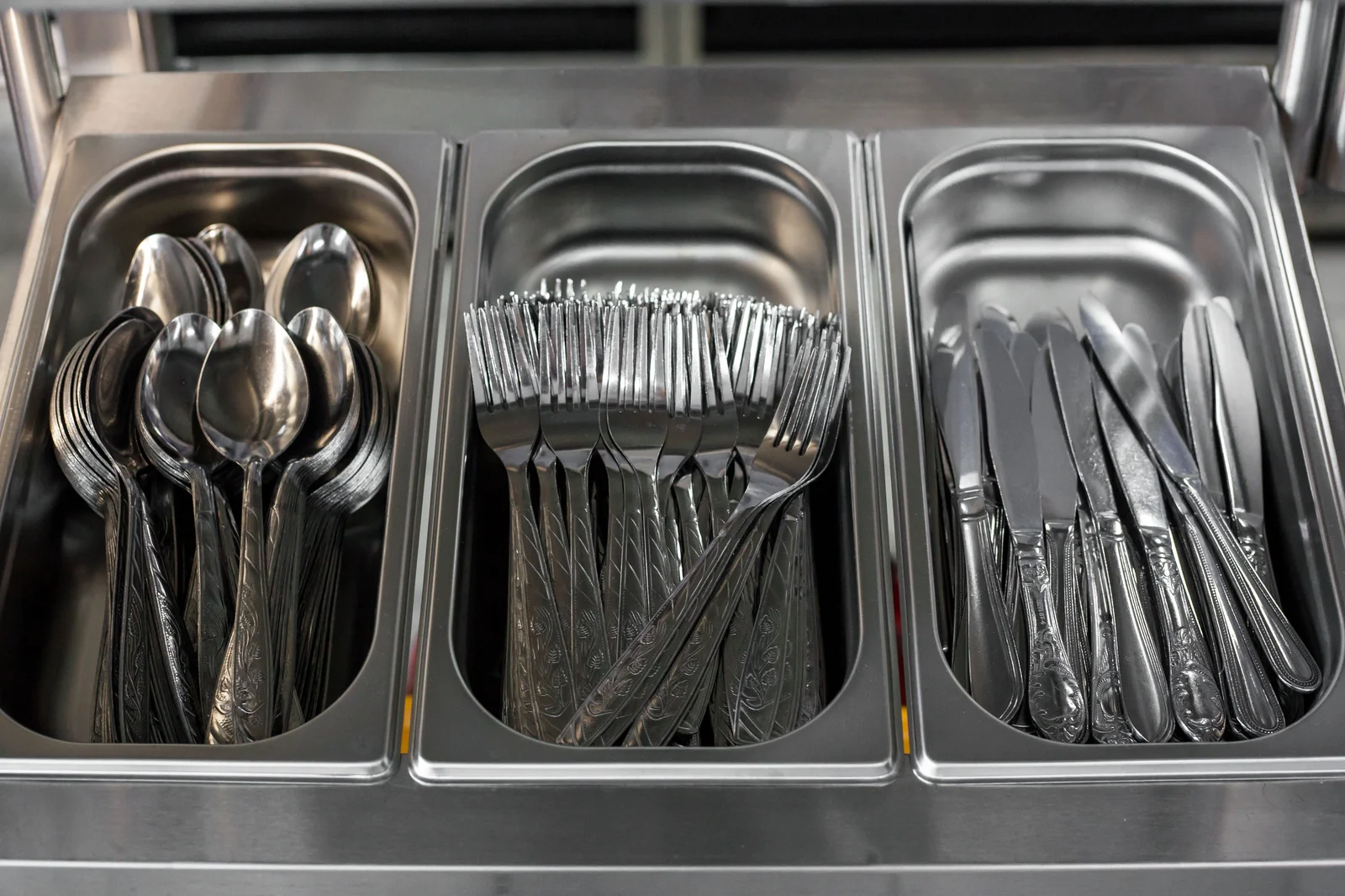
Although FirmaPanel's Japanese inventory is currently strongest in kitchen knives, buyers can also find flatware, kitchen scissors, strainers, sharpening stones and related preparation tools. If you are sourcing a broader dining or kitchen assortment, combining complementary products can simplify supplier evaluation and help build a more coherent range.
For general tableware sourcing beyond Japan, see Wholesale Tableware Suppliers: Source Cutlery, Plates, Bowls and Drinkware.
Packaging matters for premium Japanese cutlery
Packaging affects both landed cost and the final selling price. Ask whether knives are supplied in individual boxes, gift boxes, sleeves or retail-ready packaging, and request the packed dimensions and gross weight.
For higher-value products, packaging should also protect the blade edge, tip and handle during international transport. Buyers selling online should check whether the retail box itself is suitable for parcel fulfillment or requires an additional shipping carton.
If branding is important, ask suppliers separately about logo marking on the blade, handle branding, printed boxes, labels and instruction inserts. Customization often has different minimum quantities from the standard product MOQ.
What to include in a quotation request
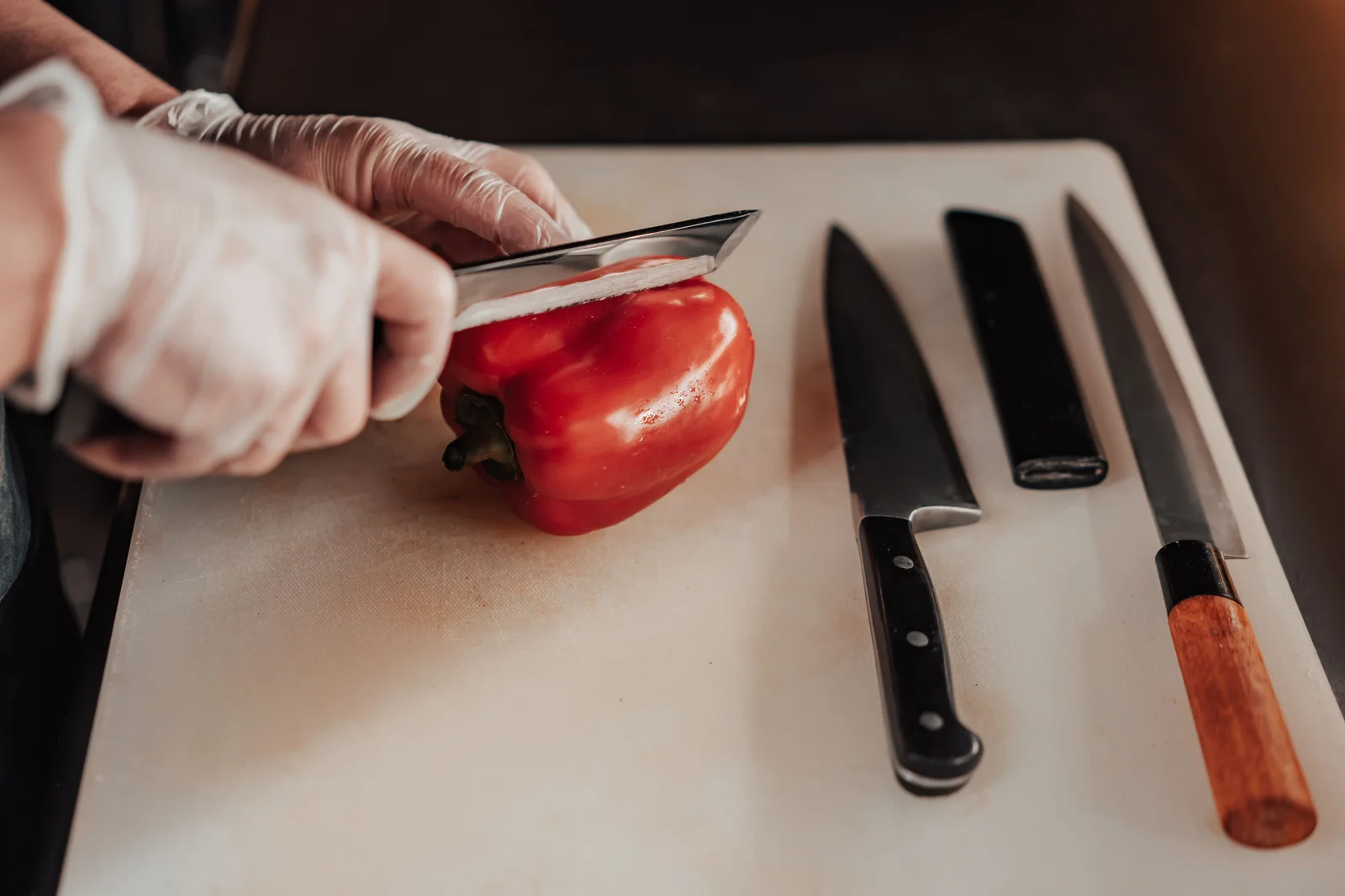
A useful RFQ for Japanese cutlery does not need to be long. It needs to make the commercial requirement clear. Include:
- Knife or cutlery type
- Preferred blade steel or target quality level
- Required quantity per model
- Target price range if available
- Handle material or design preference
- Logo, private-label or packaging requirements
- Destination country
- Preferred Incoterm
- Sample requirement and target order date
Sending the same specification to several suitable suppliers makes it easier to compare price, MOQ, product construction, packaging and delivery terms on an equal basis.
What should buyers compare besides unit price?
For repeat wholesale business, consistency is often more valuable than the cheapest initial offer. Compare sample quality, finishing consistency, MOQ flexibility, lead time, packaging, replacement availability and whether the supplier can reproduce the same specification on future orders.
Also check whether sharpening accessories, replacement items or complementary knife sizes are available. A supplier with a coherent range can make future assortment expansion easier for retailers and distributors.
Request quotes from Japanese cutlery suppliers
Once you know the product type, quality level, quantity and destination, use Post RFQ to send a clear buying requirement. FirmaPanel helps buyers connect their RFQ with relevant suppliers so offers can be compared without starting every supplier conversation from zero.
Start an RFQ