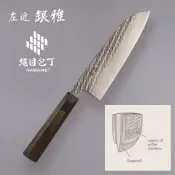
SAKON Bokusui Nickel Damask Knives
The core of the blade is made of AUS10 steel produced by Aichi Steel, from the Japanese city of Tokai. AUS-10 is, because of the high-carbon content, by far the strongest type within the AUS-series. 33 layers of folded Nickel damascus stainless steels are wrapped around the AUS10 core to make a total of 67 layers. Its wavy spiral damuscus pattern give a stunning and eye-catching look which makes each piece unique. AUS10 is a performance steel enriched with 1.05% of carbon, similar to the more well-known VG-10. It’s easier to sharpen than VG-10, so suitable for everyone from kitchen novices to professional chefs. The central core is hardened stably to Rockwell 60±2. Japanese style "SAKON Bokusui" blade comes fitted with a Lacquered Oak octagonal handle.
Interested in this product?
Ask Hokiyama Cutlery Co., Ltd. about pricing, availability, customization, and delivery requirements in one private inquiry.
- Private buyer–supplier conversation
- Free buyer account
- Keep messages and quotes organized
More from Hokiyama Cutlery Co., Ltd.
Explore more approved listings published by the same company.
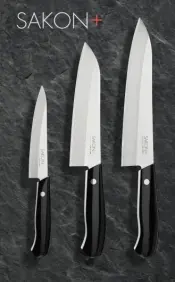
SAKON+ Vee-Tech Patented Knife
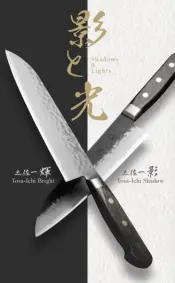
Tosa-ichi Shadows and Lights Aogami-Super Knives
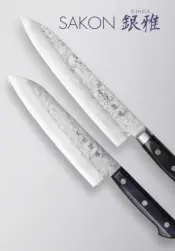
SAKON GINGA NEO-Classic Nashiji Knives
Practical guides for global trade
Recent FirmaPanel articles for evaluating suppliers, sourcing products, and preparing export conversations.
Trade guide
Should You Ask for Samples Before Placing a Bulk Order?
Learn when to request product samples before placing a bulk order, what samples can and cannot prove, and how buyers should use sampling to reduce sourcing risk.
Read article
Trade guide
How Much Should You Really Order From a New Supplier?
Learn how to size a first order from a new supplier using MOQ, demand, lead time, freight, quality risk and cash exposure instead of unit price alone.
Read article
Trade guide
Should You Use DDP When Importing from China?
Learn when DDP shipping from China can simplify importing, where customs and tax risks appear, and when DAP or FCA may be a safer choice.
Read article