10 Red Flags from Suppliers that Buyers Should Never Ignore

A supplier does not need to appear suspicious to create a serious sourcing problem. Many costly failures start with smaller warning signs: an unusually low quote, changes in payment instructions, unclear product specifications, unrealistic production promises, or reluctance to allow independent inspections. Each issue may seem manageable on its own, but several of them together can indicate that the business risk is much greater than the quote suggests.
For importers and procurement teams, supplier due diligence must go beyond checking price and delivery time. The goal is to confirm that the company you are dealing with can actually manufacture or supply the agreed product, understands the required specification, can document the transaction properly, and is willing to accept reasonable verification before final payment and shipping.
FirmaPanel currently contains thousands of public supplier profiles and product listings in many categories and countries. That breadth can help buyers discover alternatives, but discovery is only the first step. Before placing an order with any new supplier, buyers still need to carefully compare business terms, documentation, production capacity, and risk signals.
Commercial Red Flags Before Placing an Order
1. The Price is Far Below Every Comparable Quote
A low price is not automatically a problem. A supplier may have better raw material purchases, lower overhead costs, excess capacity, or a more efficient process. The warning sign appears when a quote is dramatically below the rest of the market and the supplier cannot explain why.
Before treating the cheapest quote as a saving, compare whether the offers cover the same degree of material, tolerances, packaging, testing, tooling, certification, freight responsibility, and Incoterm. A quote that seems cheaper may simply exclude costs that other suppliers have included. It may also reflect a lower specification that only becomes visible after production begins.

If the supplier avoids detailed comparison and repeatedly brings the discussion back to unit price, investigate further before increasing the order size or deposit.
2. Payment Instructions Keep Changing
Changing bank details is one of the clearest signs that a buyer should stop and verify the transaction. A legitimate company may change banks, but the change should be documented and confirmed through a reliable communication channel.
Be especially cautious if the beneficiary name does not match the contracting company, payment is suddenly redirected to a personal account, the supplier asks you to ignore previously issued bank details, or the new account is in an unrelated country. Do not rely solely on an email confirming the change. Verify through a known phone number or another independently established contact method.
3. The Supplier Pressures for Payment Before Key Details are Agreed
Pressure to send a deposit before specifications, drawings, packaging, labeling, testing requirements, or delivery terms are finalized creates unnecessary risk. Once payment has been made, correcting an ambiguous requirement can become much more difficult.
A professional supplier should be able to produce a quote, proforma invoice, or contract that clearly describes what is being purchased. The commercial document should match the approved product specification and the agreed payment schedule. Urgency caused by genuine production space may occur, but urgency should not replace documentation.
Product and Production Red Flags
4. Product Specifications Remain Vague
Statements like “standard quality,” “export quality,” or “same as sample” are not sufficient for products where material, dimensions, performance, finish, or compliance matter. If a supplier repeatedly avoids measurable specifications, the buyer may have little protection when the delivered goods differ from expectations.
Turn important requirements into objective terms whenever possible. Depending on the product, that may include dimensions, tolerances, material composition, coating thickness, color reference, weight, power rating, packaging quantity, labeling, testing method, or accepted defect criteria. The more costly the failure, the more important it is to eliminate ambiguity before production.
5. Samples and Production Capacity Do Not Match
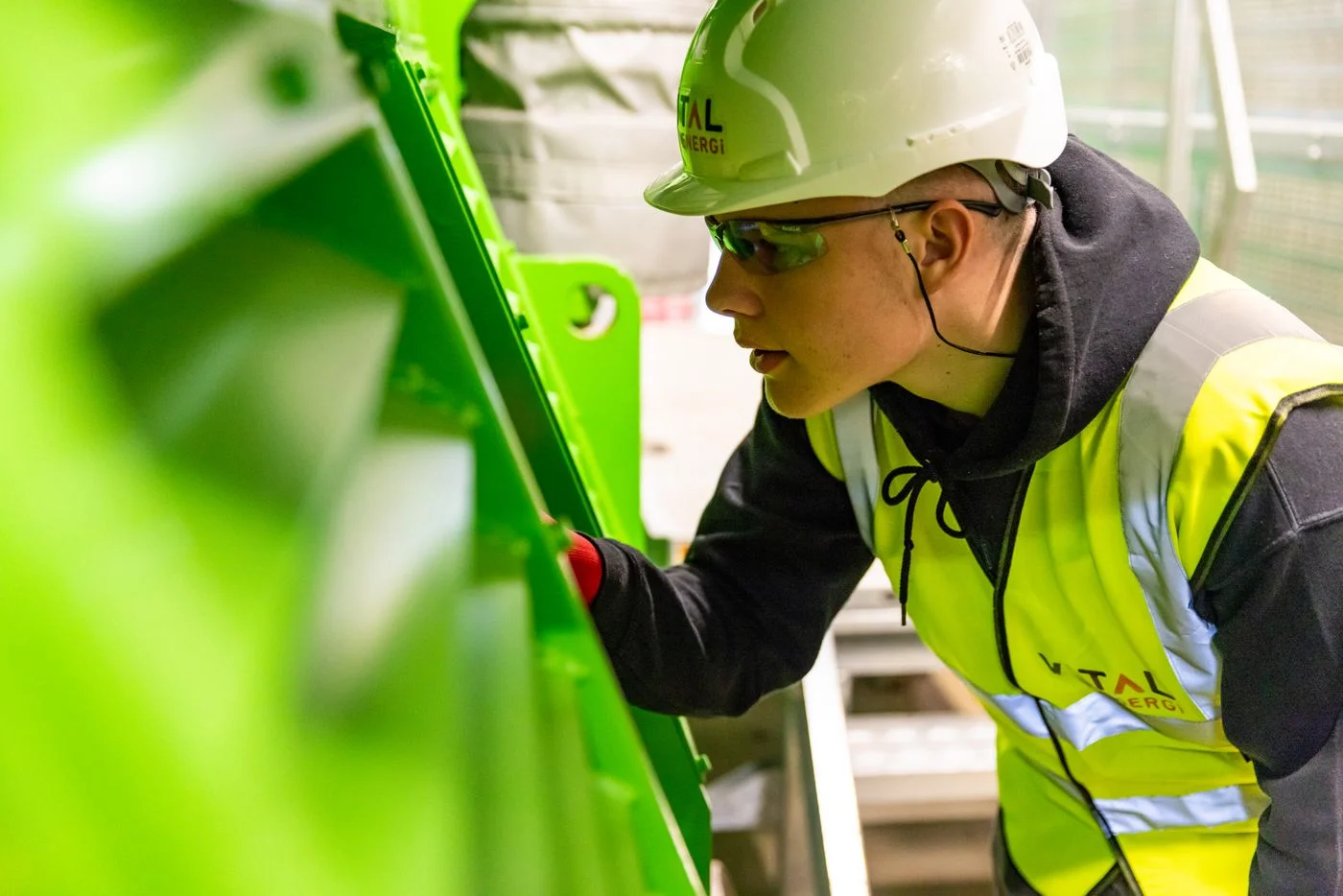
A good sample proves that the supplier can provide at least one acceptable unit. It does not automatically prove that the same factory can consistently reproduce that quality at commercial volume.
Ask how the sample was produced, whether the same materials and processes will be used in mass production, and whether subcontractors are involved. For custom goods, confirm tool ownership, approved reference samples, and revision control. If the supplier becomes vague when moving from sample approval to production planning, consider that a reason for deeper verification.
6. Delivery Times Sound Unrealistically Fast
A short delivery time can be a genuine competitive advantage, but it should make operational sense. Production requires raw materials, machine capacity, labor, quality controls, packaging, and sometimes external testing. A supplier that promises immediate production while competitors require several weeks should be able to explain what makes that possible.
Ask if materials are already in stock, whether the quoted delivery time starts before or after receiving the deposit, if packaging is available, and whether the estimate includes quality control. Buyers should also distinguish between the completion of production and the actual loading and shipping departure.
Verification and Documentation Red Flags
7. The Supplier Resists Independent Inspection
A supplier may have reasonable rules about access to the factory, confidentiality, or timing of inspection, but complete resistance to third-party verification is a significant concern. The purpose of inspection is not to interfere with production. It is to confirm that the goods, quantity, labor, packaging, and other agreed requirements match the order before the buyer loses leverage.
For orders where quality failure would be costly, a planned inspection can provide an additional checkpoint before final payment or shipping. Inspection does not eliminate all risks, but refusal to allow reasonable verification should be investigated rather than ignored.
8. Company Information is Inconsistent
When Should You Request a Pre-Shipment Inspection?The company name on the quote, invoice, bank account, email signature, website, and registration documents should make business sense as a whole. Small formatting differences are normal, especially between languages, but unexplained changes in legal identity deserve attention.
Verify who is actually signing the contract, who will receive payment, and which entity is responsible for manufacturing or supplying the goods. If a trading company, exporter, and factory are all involved, clarify the role of each party before payment. This is particularly important when the supplier presents themselves as a manufacturer but legal or operational documents point to a different business.
9. Important Documents Arrive Late or Only After Repeated Requests
The quality of documentation often reveals how organized a supplier is. A new supplier does not need to send every possible certificate immediately, but documents that are essential for your order should be available reasonably and consistently.
Depending on the product and destination, buyers may need company registration information, test reports, declarations, certificates, packaging details, product drawings, inspection records, or shipping documents. A supplier that repeatedly postpones basic documentation until after the deposit payment creates a preventable dependency.
Communication Red Flags
10. Responses Change Depending on Who You Ask
Occasional internal confusion can occur in any company. The concern is a pattern where sales, production, and management provide different answers about price, specification, delivery time, capacity, or payment terms.
When important details change, put the final agreed version in writing and ask the supplier to confirm it. Use numbered specifications, drawing revisions, or a clear purchase specification instead of relying on a long chain of chat messages. If the supplier cannot maintain a consistent version of the order before production, the risk of disagreement after production is even greater.
A Red Flag is Not Always a Reason to Reject a Supplier
Supplier evaluation is not a checklist where an unusual detail automatically means the company should be rejected. Markets differ, business practices differ, and legitimate suppliers may have weaknesses. The most useful question is whether the supplier can clearly explain the issue and provide reasonable evidence that mitigates the risk.
For example, a low price may be justified by existing stock, a bank account change may be backed by formal documentation, and a short delivery time may be realistic when raw materials and machine capacity are already available. What matters is whether the explanation is consistent with the rest of the transaction.
The risk also changes when a buyer relies heavily on a single source. If supply continuity is important, the decision described in becomes part of the same risk management process. A supplier may be reliable today while still representing a concentration risk if there is no qualified alternative.Should You Work With One Supplier or Multiple Suppliers?
Buyer's Checklist Before Sending a Deposit
- Confirm the supplier's legal company name and payment beneficiary.
- Ensure that the quote and order specification describe the same product.
- Compare unusually low prices against equivalent specifications, not highlighted unit prices.
- Confirm production delivery time, cargo availability date, and shipping responsibility separately.
- Define inspection, testing, and defect criteria before production where relevant.
- Verify any bank account changes through an independent contact channel.
- Keep drawings, samples, and approved specification revisions clearly identified.
- Clarify if production will be subcontracted.
- Request essential compliance or company documents before they become urgent.
- Record the final business terms in a document that both parties can refer to.
Sourcing Notes
The most dangerous supplier problems are often visible before the order is placed, but only when the buyer looks beyond price. Payment pressure, inconsistent company details, vague specifications, unrealistic promises, and resistance to inspection are valuable signals because they reveal where a transaction needs more verification.
Good sourcing decisions do not depend on eliminating every uncertainty. They depend on identifying the uncertainties that could create the greatest business loss and reducing them before money, production time, and inventory plans are committed.