Manufacturer vs Wholesaler: Which Supplier Type Should You Choose?
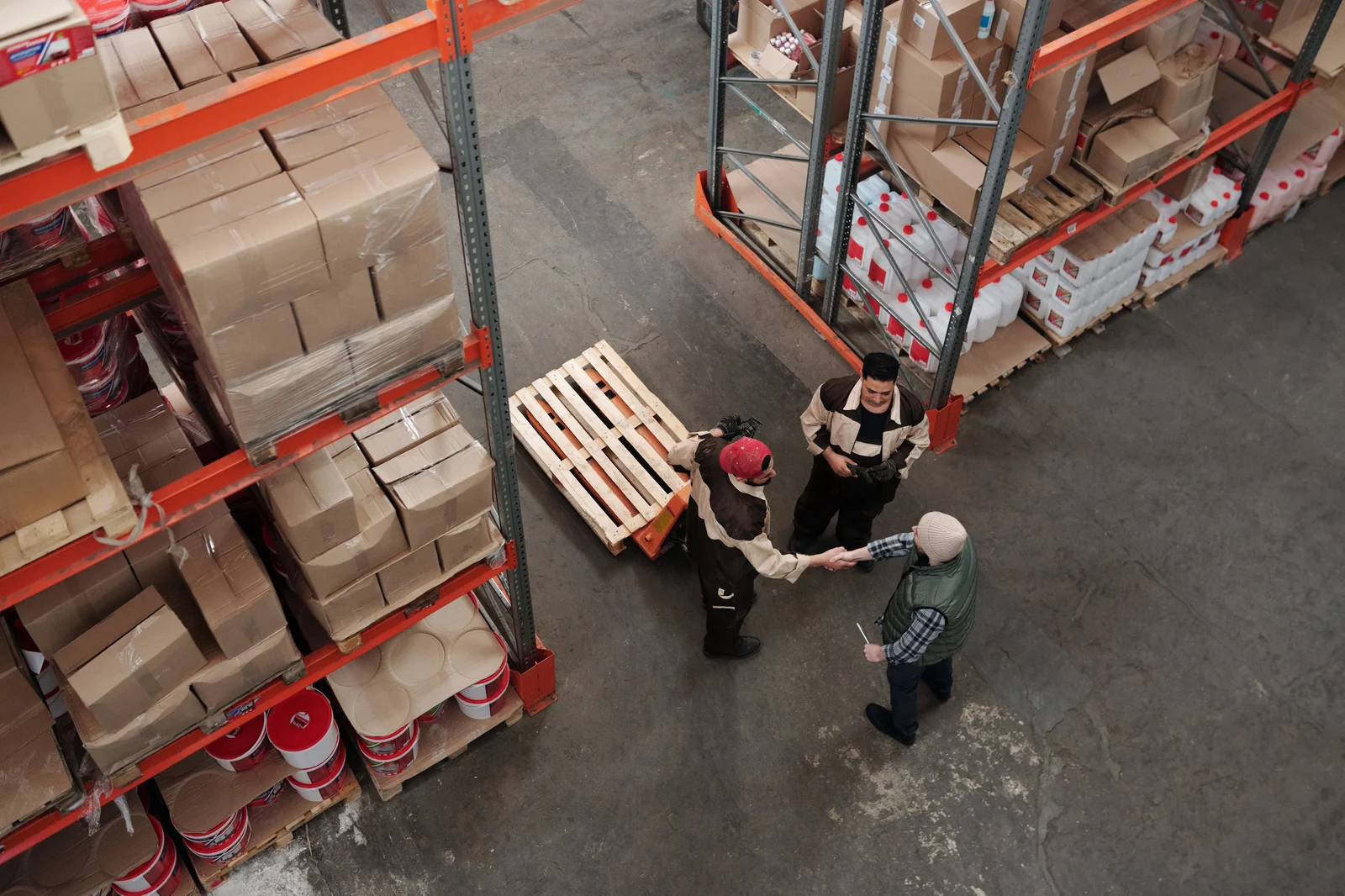
Choosing between a manufacturer and a wholesaler is not simply a question of finding the lowest unit price. The right supplier type depends on what you are buying, how much you need, whether the product must be customized, how quickly you need delivery, and how much inventory or sourcing complexity your business can manage.
A manufacturer produces the goods, while a wholesaler typically buys finished products from one or more producers and resells them to business customers. That difference affects minimum order quantities, product range, pricing, production control, lead times, documentation and the amount of flexibility available to the buyer.
For procurement teams, importers, distributors and retailers, the most useful question is therefore not “Which supplier type is better?” but “Which supplier type is better for this purchase?”
What Is the Difference Between a Manufacturer and a Wholesaler?
A manufacturer owns or operates the production process for the goods it sells. Depending on the industry, this may include raw-material purchasing, machining, molding, assembly, finishing, packaging, testing and quality control. Buyers dealing directly with manufacturers can often discuss technical specifications, materials, tolerances, packaging and production changes with the company responsible for making the product.
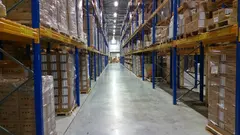
A wholesaler usually purchases finished goods in commercial quantities and keeps them in stock for resale. Some wholesalers specialize in a narrow product category, while others carry products from many brands or factories. Their value often comes from inventory availability, smaller order quantities, mixed-product purchasing and simpler logistics rather than production capability.
This distinction is related to, but different from, the choice explained in Should You Buy Directly from a Manufacturer or Through a Trading Company?. A trading company may actively source or coordinate production on behalf of a buyer, while a wholesaler is commonly selling goods that are already part of its inventory or established distribution range.
When Buying Directly from a Manufacturer Makes More Sense
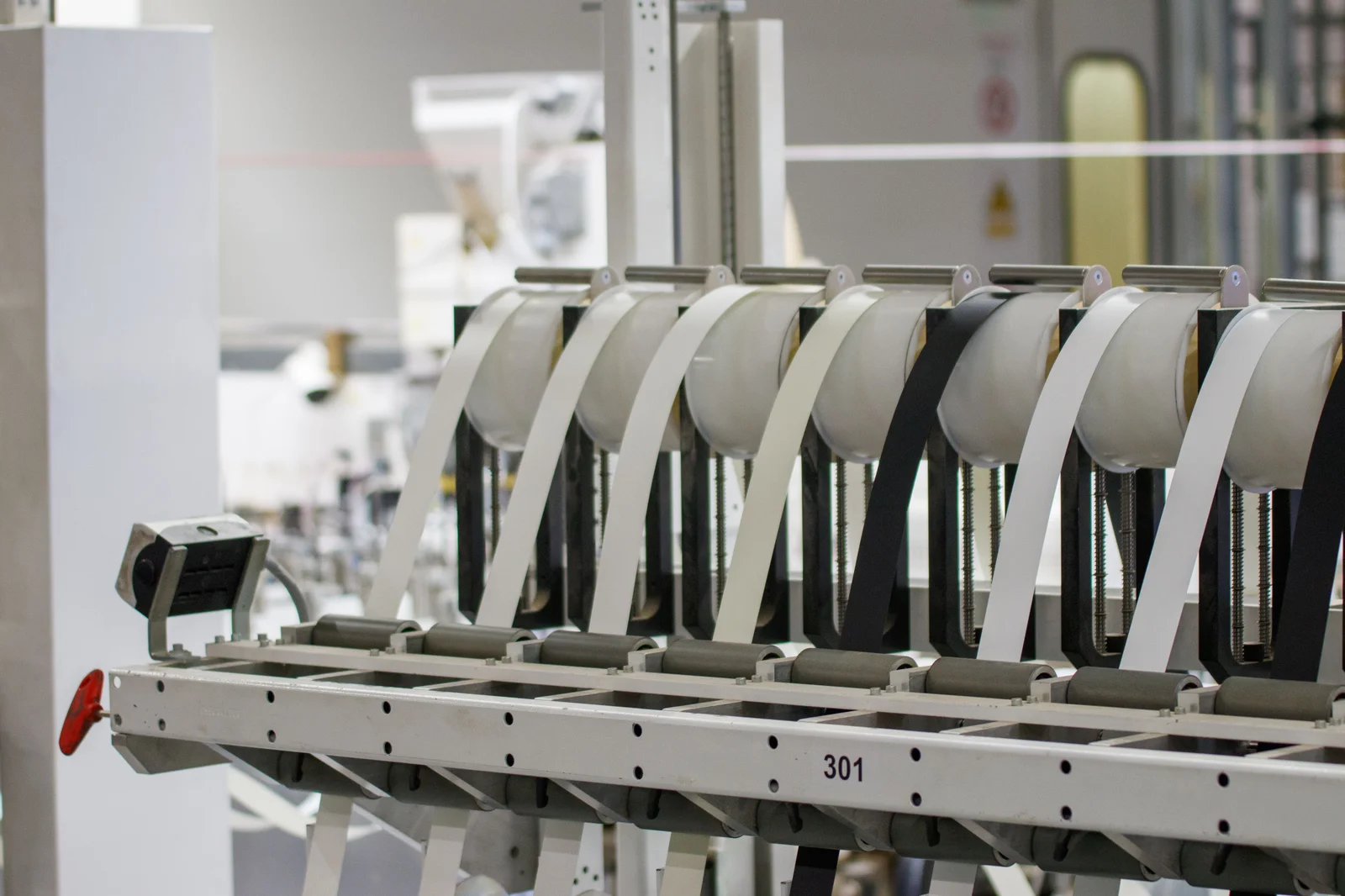
Manufacturers are often the stronger option when the purchase is large, repeatable and specification-driven. If your company expects to order the same product regularly, direct production can create better control over specifications and a clearer path to long-term cost reduction.
Factory-direct sourcing is particularly attractive when the product requires custom dimensions, materials, colors, branding, packaging or performance requirements. A wholesaler may only be able to offer the versions already available in its stock, while a manufacturer can potentially adjust the production process itself.
Direct manufacturers can also become more competitive as annual volume increases. A factory may be willing to negotiate raw-material choices, packaging configuration, production runs or tooling costs when the buyer provides predictable demand. The lowest quoted unit price should still be evaluated together with freight, payment terms, defects, inventory carrying cost and other landed-cost components.
Manufacturer purchasing is usually strongest when:
- You need private label, OEM or customized specifications.
- You expect medium or high recurring order volumes.
- You want direct communication about production and quality.
- You can accept production lead times rather than immediate stock availability.
- You have enough demand to meet the factory's MOQ efficiently.
- You want to develop a long-term supplier relationship around a core product.
When a Wholesaler Can Be the Better Supplier
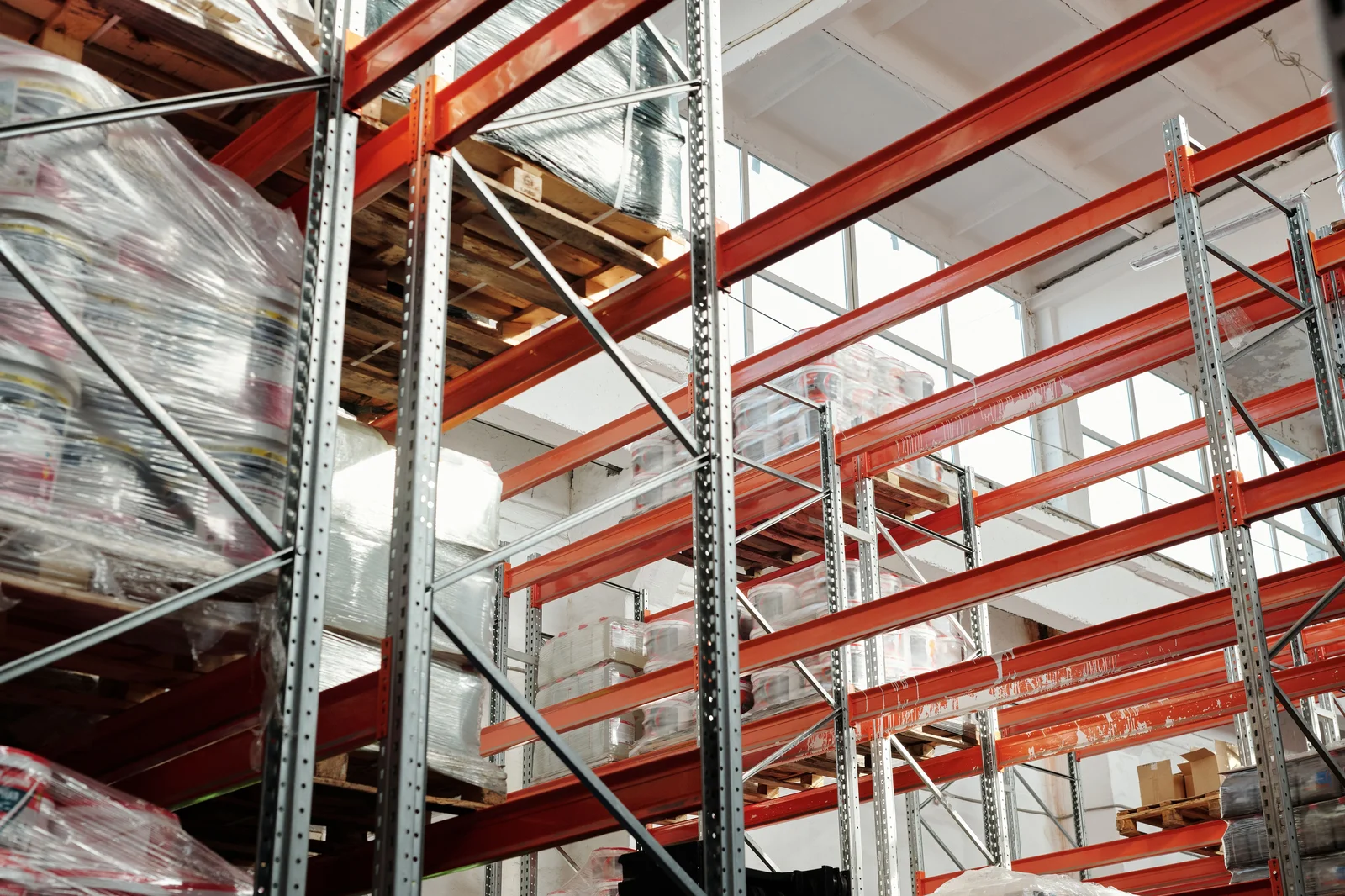
Wholesalers can be more efficient when the buyer values availability, variety and smaller quantities more than factory-level customization. A distributor, retailer, maintenance department or smaller importer may need ten different products rather than a full production run of one item. In that situation, buying directly from several factories can create unnecessary MOQs, freight costs and administrative work.
A wholesaler can combine products from multiple manufacturers into one commercial relationship. This may reduce the number of supplier accounts, payments, purchase orders and shipments that the buyer must manage. For urgent requirements, a wholesaler with local or regional stock can also be much faster than waiting for a new manufacturing cycle.
The wholesaler's unit price may be higher because its margin, warehousing and inventory risk are included. However, the total transaction can still be cheaper if the buyer avoids oversized MOQs, excess stock, multiple freight movements or costly delays.
Wholesaler purchasing is usually strongest when:
- You need smaller commercial quantities.
- You want several products or brands in one order.
- You need goods that are already in stock.
- Your demand is irregular or difficult to forecast.
- Customization is not important.
- The cost of holding excess inventory would outweigh a lower factory unit price.
Price and MOQ: Factory Price Is Not Always the Lowest Total Cost
Manufacturers often appear cheaper on a price-per-unit basis because there is no wholesale resale margin. But a unit price cannot be evaluated separately from MOQ. A factory offering a lower price for 5,000 pieces may be a worse commercial choice than a wholesaler offering 500 pieces at a higher unit price if the buyer only expects to sell or consume 700 pieces during the relevant period.
Excess inventory ties up working capital and creates storage, insurance, damage, obsolescence and markdown risk. This is why buyers should compare the economics of the actual order, not just the quoted unit price. The same principle is covered in more detail in MOQ vs Unit Price: When Is a Bigger Order Actually Cheaper?.
For stable, high-volume demand, manufacturer pricing usually becomes more attractive. For uncertain demand, wholesalers can provide a form of flexibility by carrying part of the inventory risk themselves.
Customization and Product Control
If the product must be changed, a manufacturer normally has the advantage. Buyers can potentially specify materials, dimensions, tolerances, labels, packaging, colors, components and testing requirements directly with the production source.
Wholesalers generally sell established SKUs. Some may offer relabeling, repacking or light customization, but they usually cannot change the underlying product unless they place a special order with the original manufacturer. This adds another communication layer and can increase lead time.
For technical or regulated products, buyers should also understand who is responsible for specifications and compliance documentation. The company issuing the invoice is not automatically the company that produced or tested the goods.
Inventory Availability and Lead Time
One of the strongest advantages of wholesalers is stock. If the required product is already in a warehouse, the order may be prepared within days rather than waiting weeks for production. This is valuable for maintenance items, replacement parts, seasonal products, retail replenishment and emergency purchasing.
Manufacturers normally work according to production schedules. Even when raw materials are available, the buyer may need to wait for capacity, production, inspection, packaging and export preparation. Repeat buyers can reduce this disadvantage through forecasts, blanket orders or scheduled releases.
Buyers should ask both supplier types for a realistic lead time rather than assuming that a manufacturer is slow or that a wholesaler always has stock. A wholesaler may advertise a product but still need to obtain it from a factory after the order is placed.
Quality Control, Traceability and Documentation

Direct manufacturer relationships can provide better access to production records, raw-material information, quality procedures and corrective actions. This is especially useful when the buyer needs inspections, test reports, certificates or traceability tied to a specific production batch.
A professional wholesaler can still provide strong documentation, particularly when it is an authorized distributor or has established quality controls for the products it sells. The important point is to verify where documents originate and whether they apply to the exact goods being purchased.
Before relying on certificates, declarations or test reports, confirm the manufacturer name, product reference, model, material, standard, validity period and issuing organization. For a new supplier relationship, the document checks in Which Documents Should You Ask a New Supplier to Provide? can help structure this due diligence.
Product Range and Supplier Consolidation
A manufacturer is naturally strongest in the products it makes. Even a large factory may have a relatively narrow range compared with a wholesaler carrying goods from dozens of manufacturers. This can make wholesalers attractive for buyers that want to consolidate many low-volume requirements.
For example, an industrial buyer may need fasteners, cutting tools, safety products and maintenance consumables in the same month. Buying every category from its original manufacturer may produce lower theoretical unit prices but create many MOQs, invoices, freight bookings and supplier relationships. A wholesaler can simplify that purchasing workload.
On the other hand, consolidation should not hide important product differences. Buyers still need to know the actual manufacturer, brand, model and specification when product performance matters.
How to Confirm Whether a Supplier Is Really a Manufacturer
Supplier descriptions are not always precise. A company may use terms such as manufacturer, factory, producer, wholesaler, distributor and supplier interchangeably in marketing materials. Buyers should verify the supplier's actual role before assuming they are dealing directly with production.
Useful questions include where the product is manufactured, whether the supplier owns the production facility, which processes are performed in-house, whether a factory visit or video inspection is possible, and whose name appears on quality certificates or production records.
Do not treat the use of subcontractors as automatically negative. Many legitimate manufacturers outsource specific operations such as coating, heat treatment, packaging or specialized components. What matters is transparency and control over the final product.
Choose the Supplier Type According to the Purchase

Large recurring orders of a stable product usually favor direct manufacturers, especially when customization or technical control is important. Small mixed orders, urgent replenishment and uncertain demand often favor wholesalers. Many experienced procurement teams use both models rather than forcing every purchase through one supplier type.
A company might source its core private-label product directly from a manufacturer while buying accessories, replacement items and low-volume complementary products from wholesalers. This creates factory-level control where it matters and purchasing flexibility where volume does not justify direct production.
The decision can also change as demand grows. A business may begin with a wholesaler to test a product and later move to direct manufacturing once sales volume becomes predictable enough to support higher MOQs.
Compare Manufacturer and Wholesaler Quotations on the Same Basis
When both supplier types quote the same requirement, normalize the offers before choosing. Confirm that specifications, quantities, packaging, Incoterms, payment terms, lead time, warranty, inspection conditions and documentation are equivalent. A quotation that appears cheaper may simply exclude costs or responsibilities included in the other offer.
The comparison process in Three Suppliers Quote the Same Product: Which Offer Is Actually the Best? is useful when manufacturer and wholesaler quotations need to be evaluated side by side. The commercial winner should be the offer that creates the best overall purchasing result, not necessarily the lowest visible unit price.
Buyer Checklist: Manufacturer or Wholesaler?
- Is the product standard or customized?
- What quantity do you realistically need?
- Can you economically meet the manufacturer's MOQ?
- How important is immediate stock availability?
- Do you need multiple products or brands in one order?
- How much inventory can your business safely hold?
- Do you require direct production control or batch traceability?
- Are compliance documents tied to the actual manufacturer and product?
- What is the total landed cost, not only the unit price?
- How much operational work will each sourcing model create?
Sourcing Notes
Manufacturers and wholesalers solve different purchasing problems. Direct factories usually offer the greatest value when volume, customization and production control matter. Wholesalers are often stronger when the buyer needs smaller quantities, mixed products, faster availability or reduced inventory exposure.
The best sourcing strategy can include both. Classify each purchase according to volume, predictability, technical requirements, urgency and inventory risk, then select the supplier type that creates the strongest total commercial outcome.