Vase Manufacturers in India: Glass, Metal & Handcrafted Vase Suppliers
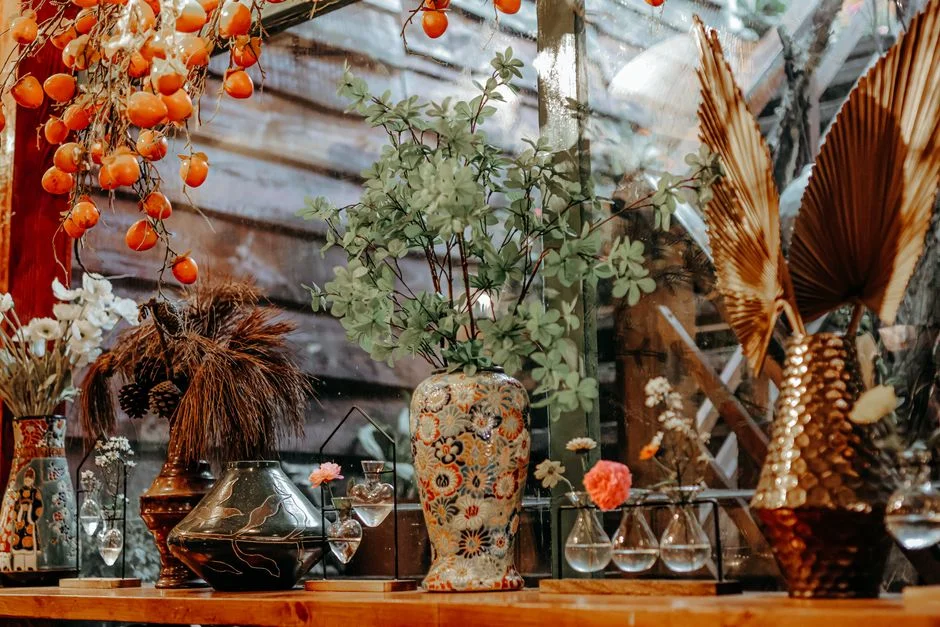
India is a useful sourcing market for buyers who want vases with more material character than a basic moulded decorative piece. FirmaPanel currently lists 57 approved vase products from 38 Indian suppliers, including glass, aluminum, marble, seagrass, paper mâché, cotton mâché, enamel and mosaic designs.
That variety gives retailers and homeware buyers room to build collections at several price points. A clear glass vase can work as an everyday line, while a hand-finished metal or marble piece can sit much higher in the range. The key is to decide whether the vase is mainly for flowers, mainly for decoration, or expected to do both.
Indian vase suppliers worth comparing
Some suppliers are strongest in glass, others in metal, stone or handcrafted mixed materials. Starting with the material and target customer makes the shortlist more useful than asking dozens of suppliers for general home décor catalogues.
 4 Seasons Collections
 Deepak Corporation
 Glass World
Glassboy Exports
Glass World
Glassboy Exports
 India International Legacy
Nishi Glass Export
Sharda Enterprises
Vikas Exports
India International Legacy
Nishi Glass Export
Sharda Enterprises
Vikas Exports
What buyers can actually source
The current inventory includes etched antique glass, enamel-coated aluminum, decorative glass, cast-aluminum combinations, cut glass, marble and mosaic-finish vases. There are also natural-fibre and mâché products for buyers who want a softer, handmade homeware look.
Before asking for a quote, define the size family and use. “Decorative 25–35 cm vases in three coordinating finishes for homeware retail” gives a supplier something concrete to price. It also makes it easier to compare carton size, weight and finish consistency across factories.
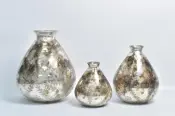 Etched Antique Glass Vase
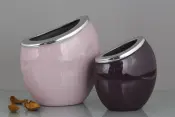 Enamel Coated Aluminum Vase
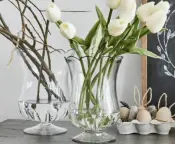 Glass World Decorative Glass Vases
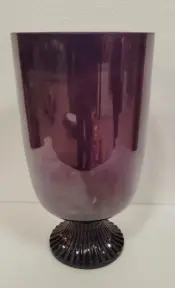 Glass Vase Collection
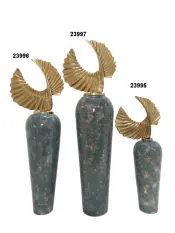 Enameled Vase with Cast Aluminum Champagne Top
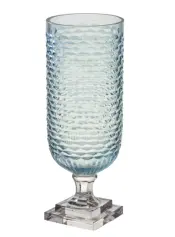 Eclat Pale Blue Vase
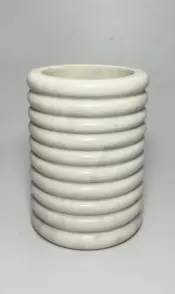 Marble Vase Collection
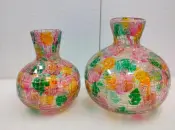 Mosaic Vase Decorative Home Decor
Material changes both the look and the logistics
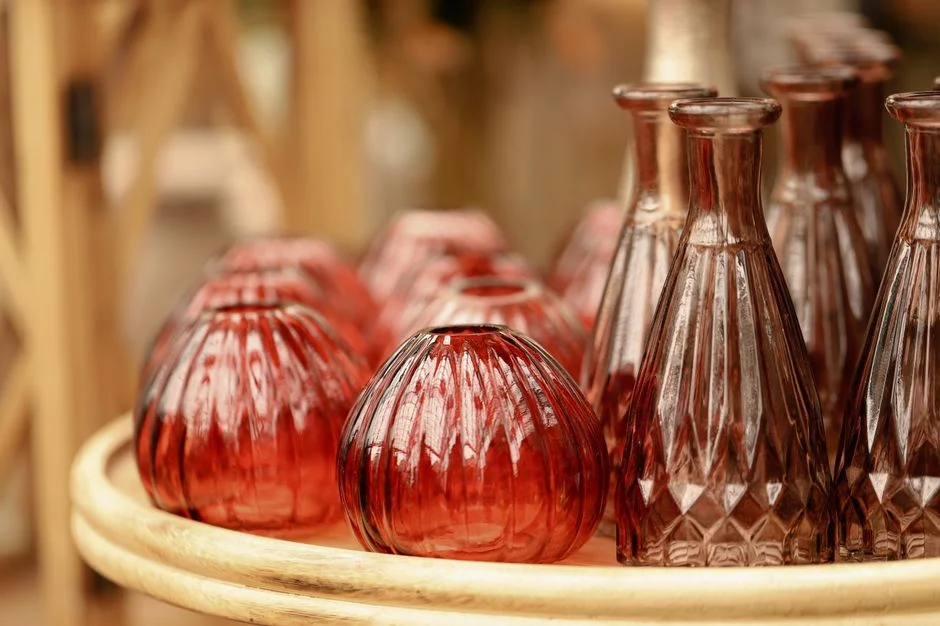
Glass gives buyers clarity, colour and familiar flower-vase functionality, but it needs careful packaging. Aluminum can create larger decorative shapes without the same breakage risk, while marble brings weight and a premium feel at the cost of higher freight.
Natural seagrass, paper mâché and cotton mâché move in another direction entirely. They can be light and visually distinctive, but buyers need to ask whether they are intended for dry decoration only or whether an inner liner is used for water.
Do not compare these materials only on unit price. A heavier vase may cost more to ship, while a fragile vase may need much more protective packaging.
A decorative vase is not automatically a flower vase
This distinction matters more than it sounds. Some decorative vessels are not designed to hold water, either because of the material, the finish or the construction.
If the product is meant for fresh flowers, ask the supplier to confirm water resistance and test samples over time. If it is decorative only, make that clear in the product description so the end customer does not discover the limitation after purchase.
Hand-finished products need an approved range, not one perfect sample
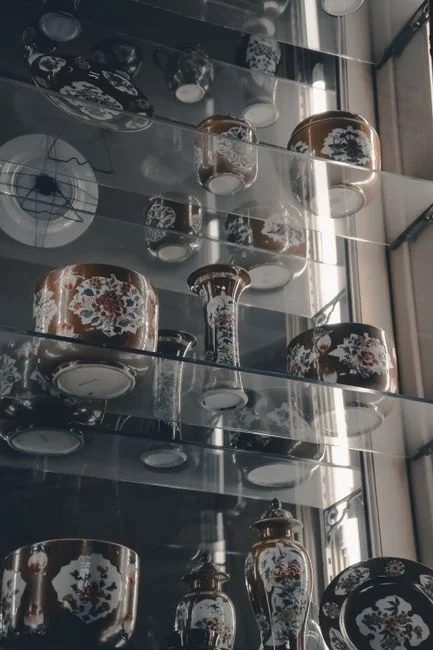
Indian suppliers offer hand-painted, enameled, mosaic and other hand-finished vase styles where some variation is part of the appeal. The buyer still needs boundaries.
Approve what acceptable colour variation, pattern placement and surface texture look like. If possible, ask for several production samples rather than one ideal showroom piece. Three samples tell you much more about repeatability than one carefully selected vase.
Natural stone and handmade glass also vary. A marble vase may show different veining, and handmade glass can have small visual differences. Agreeing on acceptable variation before production avoids turning normal characteristics into later disputes.
Build a family of shapes instead of a random assortment
A coordinated group usually merchandises better than unrelated individual vases. Buyers can work with one finish across two or three heights, or one shape family across several colours.
This also helps when ordering. A collection with clear small, medium and statement sizes is easier for retailers to display and easier for customers to understand.
If the buying program extends beyond vases, Wholesale Home Décor Suppliers: Source Wall Art, Vases, Mirrors and Home Accessories can help connect them with mirrors, wall décor and other accessories aimed at the same customer.
Wide shapes consume carton space quickly
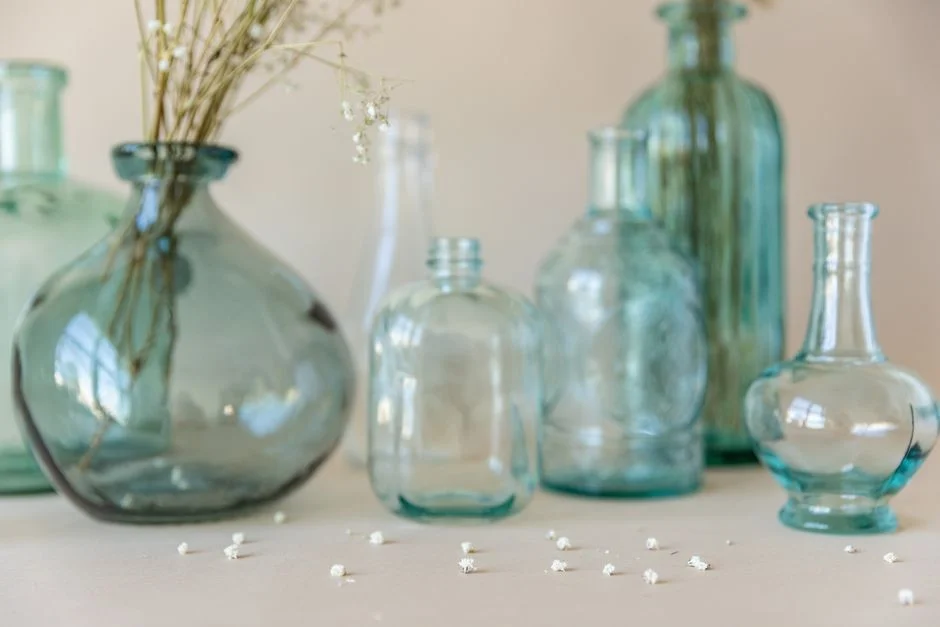
A vase can be light and still be expensive to ship if it is wide, irregular or impossible to nest. Ask for individual pack dimensions, master-carton dimensions, units per carton and gross weight before comparing landed cost.
For glass, check how the neck, rim and base are protected. For metal or enameled products, ask how surfaces are kept from rubbing against cardboard or other pieces. For marble, protection against edge chipping matters as much as breakage.
Retail buyers should also decide whether the factory carton can serve as the customer-facing box or whether repacking will be required at destination.
Private label can be mostly about finish and presentation
A new vase collection does not always need a custom mould. Existing shapes can often be differentiated through colour, enamel, surface treatment, decal, label, hangtag or retail packaging.
Ask the supplier which changes can be made at the normal MOQ and which need a larger run. Custom finishes and printed packaging may have different minimums, so keep those quantities separate in the quotation.
India and China can serve different collection ideas
Buyers comparing Asian sourcing options can also look at Vase Manufacturers in China: Wholesale with Glass and Ceramic Vase Suppliers. The China inventory has strong glass and ceramic depth, while the Indian inventory on FirmaPanel stands out for its mixture of glass, metal, stone, natural fibres and handmade decorative finishes.
That does not make one country universally better. It gives a buyer another way to match the sourcing market to the collection they want to build.
Request quotes from Indian vase manufacturers
Send suppliers the material, approximate dimensions, quantity per design, intended use, finish or colour direction, packaging requirement and destination country. Add water-resistance, private-label or retail-box requirements where they matter.
Then send the same requirement through Post RFQ so offers can be compared on materials, dimensions, finish, packing, MOQ and landed cost.
Start an RFQ