The Factory You Approved May Not Be Making Your Order
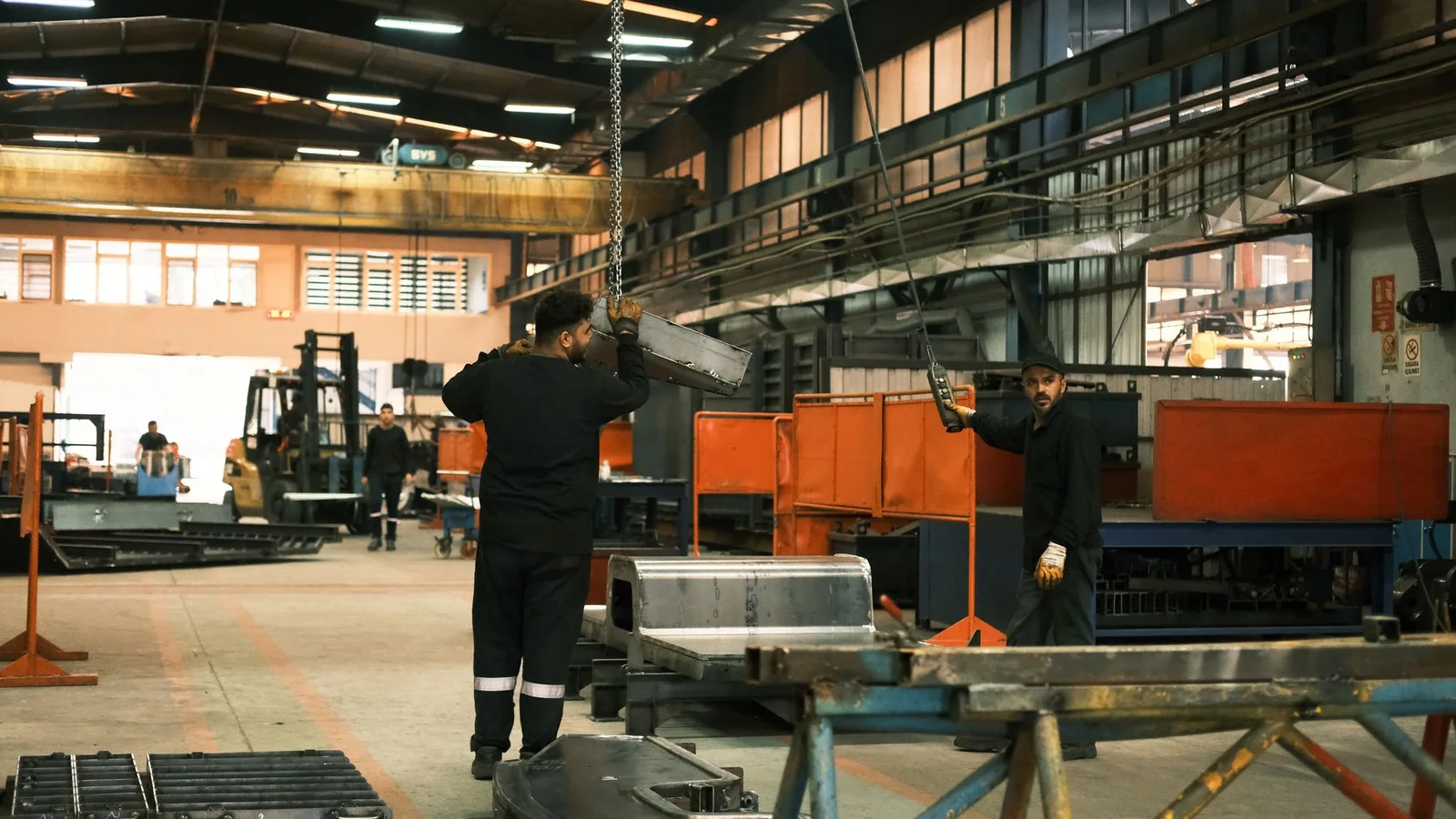
The factory you approved may never touch your order. You can visit its production floor, accept its sample, review its certifications and still receive goods made somewhere else. That possibility is not a reason to distrust every manufacturer. It is a reason to ask a question that conventional supplier checks often leave unanswered: who will actually perform each production step?
Unauthorized subcontracting creates a blind spot between the company that signs the purchase order and the facility that makes the product. The finished goods might look identical. They might also carry different quality, traceability, labor, safety or compliance risks. The buyer often discovers the difference only when something goes wrong.
The uncomfortable argument is this: verifying a supplier's identity is not the same as verifying the production route for your order. Buyers need both.
Subcontracting Is Not the Problem. Secrecy Is.
Manufacturing rarely happens under one roof. A metalworking company may use a specialist for coating or heat treatment. A packaging manufacturer may outsource certain printing processes. A garment factory may rely on another workshop for embroidery. An electronics assembler may purchase tested subassemblies from a qualified partner.
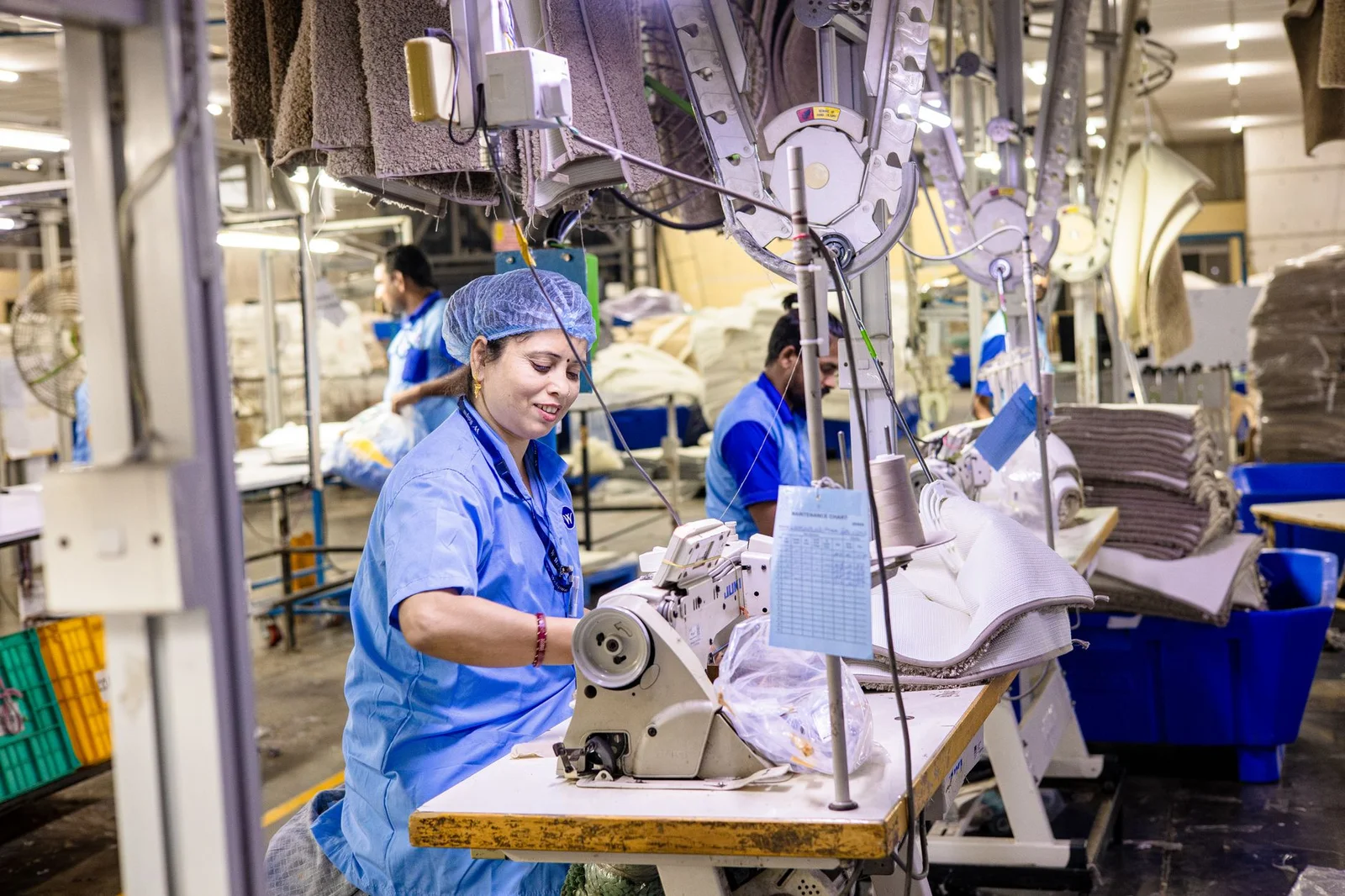
These arrangements can be commercially sensible. A specialist may have better equipment, stronger technical expertise or available capacity. If the buyer knows the arrangement, understands the risks and has agreed to appropriate controls, subcontracting can be part of a reliable supply chain.
Unauthorized subcontracting is different. It happens when the supplier transfers work to another facility or business without the disclosure or approval required by the purchasing agreement. The problem is not that more than one company contributes to an order. The problem is that the buyer's quality plan, due diligence or contract may no longer cover the actual operation.
The OECD's guidance for garment and footwear supply chains, for example, recommends clarity on subcontracting policies and due diligence for approved subcontractors. Its underlying lesson applies more broadly: visibility and proportionate oversight matter whenever production moves beyond the direct supplier.
Why an Approved Factory Might Move Your Order Elsewhere
Consider a hypothetical importer ordering custom metal components from a manufacturer it has already evaluated. The quotation specifies dimensions, surface finish and a four-week lead time. After accepting several large orders, the manufacturer runs out of machining capacity and sends part of the job to an outside workshop. The original supplier still issues the invoice and arranges shipment.
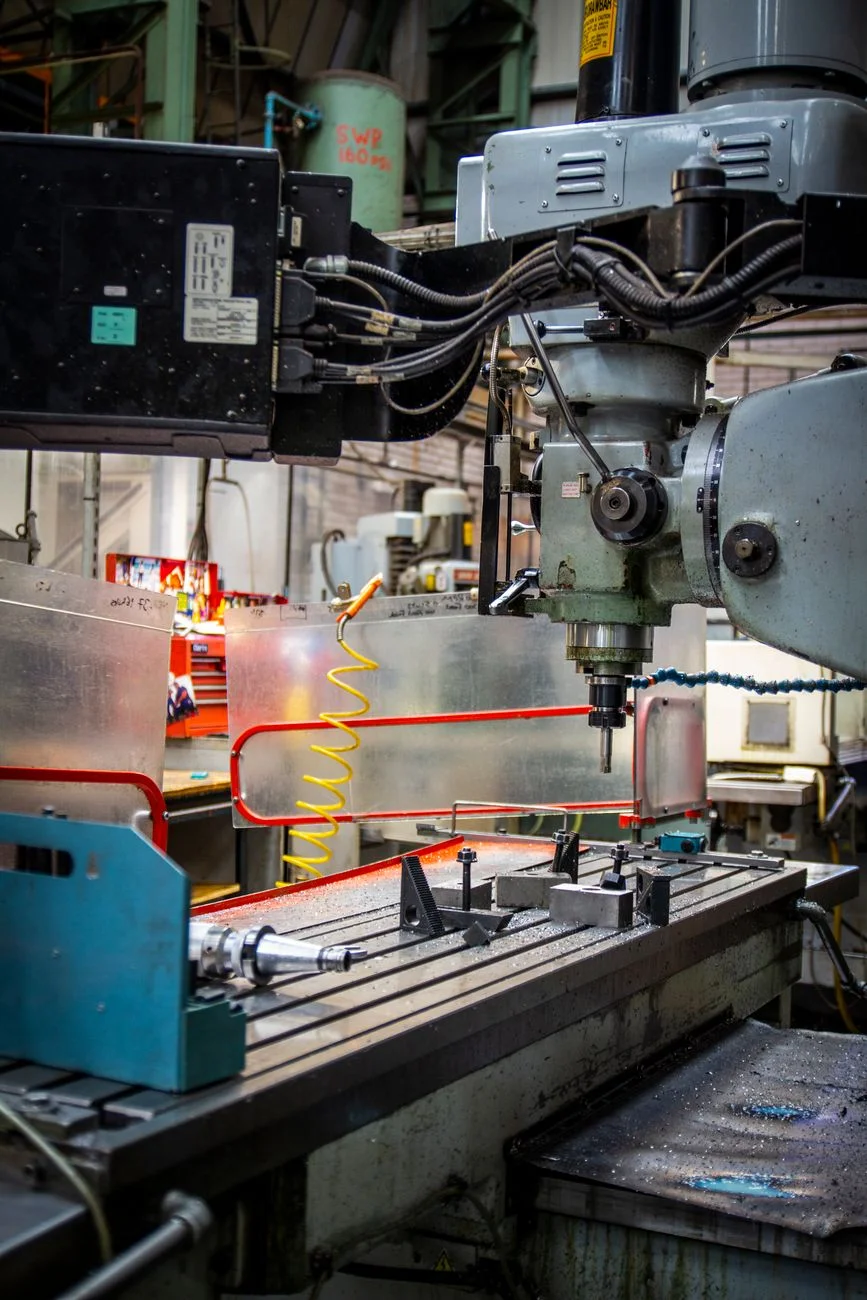
Nothing in that example automatically proves the products will be defective. But the buyer may have assessed machining controls, calibration records and inspection processes at the original facility only. If the second workshop uses different tools, material controls or measuring equipment, the buyer's original approval may be incomplete.
Capacity shortages are one driver. Others include access to specialist processes, peak seasonal demand, labor availability, urgent buyer deadlines and changes to raw-material sourcing. Sometimes work is subcontracted through several layers, making the last production location harder to see.
Buyers also influence the risk. Demanding a major volume increase while refusing any additional lead time may create pressure to move work outside the approved operation. A contract prohibition is not a substitute for realistic capacity planning.
Six Warning Signs That Deserve a Second Question
None of the following signals proves unauthorized subcontracting on its own. Each is a reason to request an explanation and supporting evidence.
- Capacity and delivery promises do not match. A small production line suddenly accepts a volume that appears far above its stated output without explaining extra shifts, equipment or partners.
- Production-site details keep changing. Inspection addresses, pickup locations or named production contacts differ from the facility originally approved.
- A critical process is missing from the factory. The supplier promises plating, molding, sterilization, printing or testing but cannot explain where that operation occurs.
- Access becomes unexpectedly difficult. A supplier permits office meetings but repeatedly delays visits or third-party checks at the location where the relevant work is performed.
- Records do not trace back to the declared site. Batch numbers, process reports, factory names or shipping documents cannot be reconciled with the stated production route.
- Product consistency changes without an agreed change. Materials, finishes, workmanship or packaging shift between lots, suggesting an unexplained change in process or source.
A weak reaction is to accuse the supplier immediately. A stronger reaction is to compare the new information with the agreed production plan, then ask for a specific explanation. One mismatch can be a clerical error. Several unresolved mismatches may justify deeper verification.
Map the Production Route, Not Just the Company Name
Before production begins, ask the supplier to identify the locations responsible for the operations that materially affect product quality, safety, conformity or traceability. The level of detail should match the product's risk. A simple, low-risk standard item may need limited checks; a safety-critical component or regulated product needs much stronger control.
Start with the main fabrication or assembly site. Then identify critical outsourced processes such as heat treatment, chemical finishing, food-contact processing, testing, sterilization or final packaging where relevant. For each operation, record the performing company, facility location, scope of work and party responsible for quality records.
Ask how incoming material is identified, how work-in-progress moves between facilities and how the finished batch can be traced back if a defect or compliance issue is discovered. A production-flow chart and a simple list of approved subcontractors are often more useful than a large collection of generic certificates.
For a new relationship, the buyer may also need company and operating-location evidence. The existing guide on [[link:sourcing/documents-to-request-from-new-supplier]] covers the basic documents to compare before committing a meaningful order.
Make Subcontractor Approval a Practical Process

A blanket sentence stating that subcontracting is forbidden can be difficult to enforce if the buyer has not defined what counts as subcontracted work. Does the rule cover ordinary component suppliers? A specialist coating partner? Packaging? Temporary production transfers? Ambiguity creates disputes.
A workable purchase agreement should identify which production steps require prior written approval, what details must be disclosed and what records the direct supplier must maintain. It should require the supplier to notify the buyer before an approved production location or critical process changes, and to pass down applicable product specifications, testing obligations and confidentiality requirements.
The buyer can then evaluate proposed partners according to risk. That may involve a questionnaire, document review, trial batch, on-site assessment or independent inspection. Approval should be specific to the facility and process, not an unlimited permission to move future orders wherever convenient.
Contracts should also address access to appropriate records, traceability, corrective action and responsibility if unapproved work is discovered. Commercial terms and inspection rights need to be suitable for the products and jurisdictions involved, so important clauses should be reviewed by qualified counsel.
Should You Ban Every Subcontractor?
Not necessarily. In some supply chains, a complete ban would remove useful specialists without improving outcomes. The better rule is to decide which processes require visibility, which suppliers need approval and which changes must trigger renewed assessment.
For a high-risk or tightly regulated operation, the buyer may reasonably require work to remain at a named qualified facility. For a noncritical supporting activity, documented outsourcing may be acceptable with lighter controls. A sensible policy distinguishes the two rather than treating every outside service as equally dangerous.
Buyers should also review their own scheduling and pricing demands. The OECD guidance specifically notes that when firms prohibit subcontracting, they should address purchasing practices that could encourage hidden transfers, such as changing specifications without allowing realistic extra time.
What to Do If You Suspect Work Has Already Moved
First, establish facts without assuming misconduct. Ask which company and address performed the relevant steps, what quantity was involved, when the transfer occurred and which quality or compliance controls were applied. Request batch records, process reports, relevant certificates and the chain of material movement where these exist.
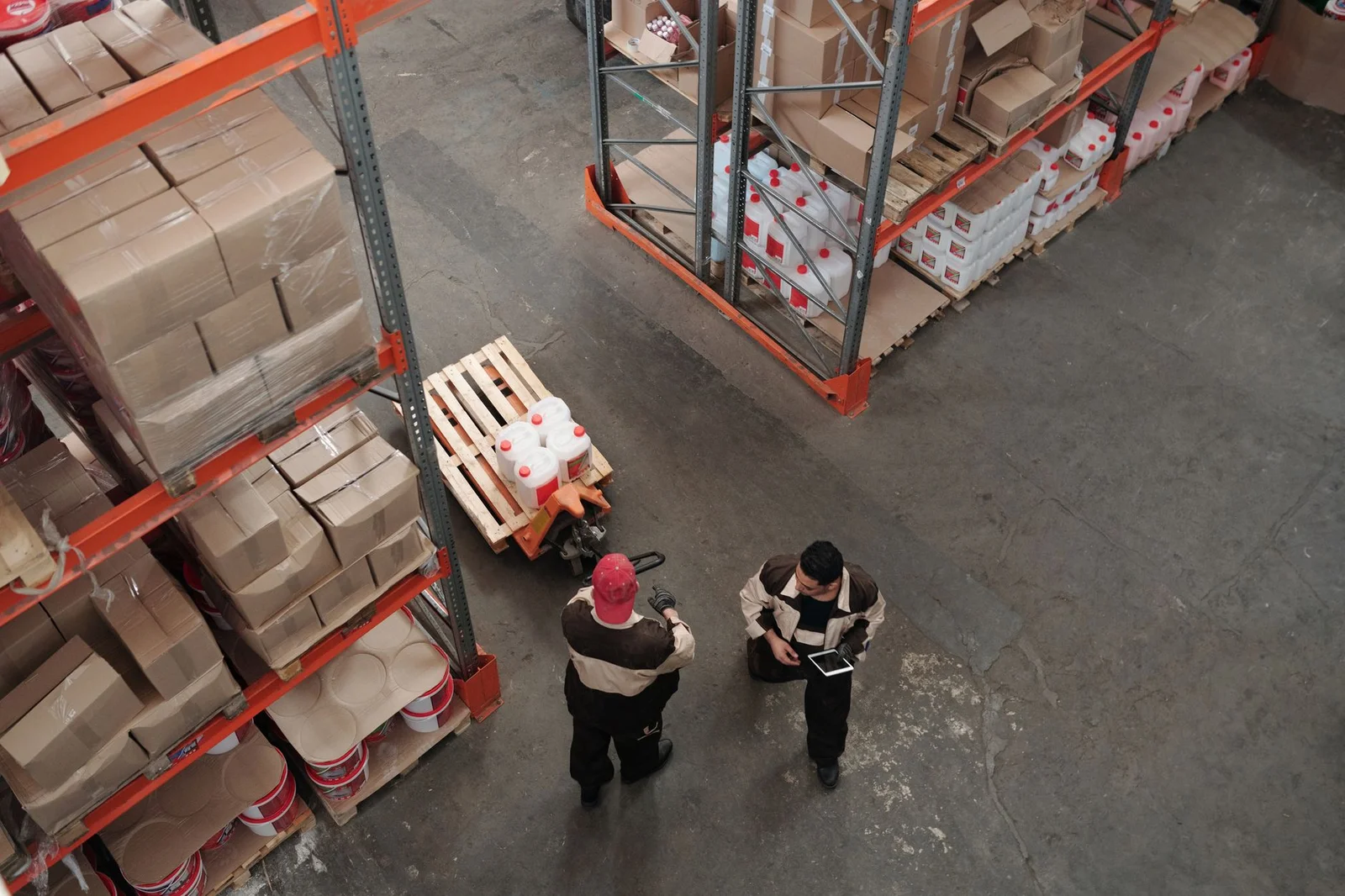
Next, determine the immediate product risk. If an unverified facility performed a critical process, consider additional testing, targeted inspection or segregation of affected lots before shipment or release, subject to your contract and the applicable requirements. A routine visual inspection may not detect defects in heat treatment, material composition or other hidden characteristics.
If an inspection is appropriate, make sure the inspection scope matches the suspected problem. The guide [[link:sourcing/when-to-request-pre-shipment-inspection]] explains why timing and inspection objectives matter, but the buyer may also need in-process evidence or specialist testing that an ordinary final inspection cannot provide.
Finally, agree on corrective actions and a future approval process. That may mean qualifying the subcontractor, changing the production schedule, revising the supplier's capacity plan or requiring a controlled return to the original site. An unapproved transfer is a serious contract and trust issue, but the response should still be proportionate to the actual risk and evidence.
Buyer Checklist Before Releasing a Manufacturing Order
- Have we identified the actual facility responsible for final assembly or primary manufacture?
- Do we know which critical processes will be performed outside that facility?
- Are approved subcontractors and their permitted operations recorded?
- Does the purchase order require advance written notice of material production-location changes?
- Can the supplier trace each finished lot through important manufacturing and testing steps?
- Is the promised delivery schedule credible for the disclosed capacity?
- Are inspection and testing plans tied to the relevant facility and process?
- Do we know what happens if an unapproved production transfer is discovered?
Sourcing Notes
The question is not whether every component must be made inside one factory. It is whether the production route is known, agreed and controlled to the level your product requires. A strong supplier may use excellent subcontractors. A weak arrangement hides them until the buyer has no practical way to verify the work.
Before approving the next order, ask one more question: Which facilities will actually make it, and how will we know if that changes?