Who Owns the Mold When You Switch Manufacturers?
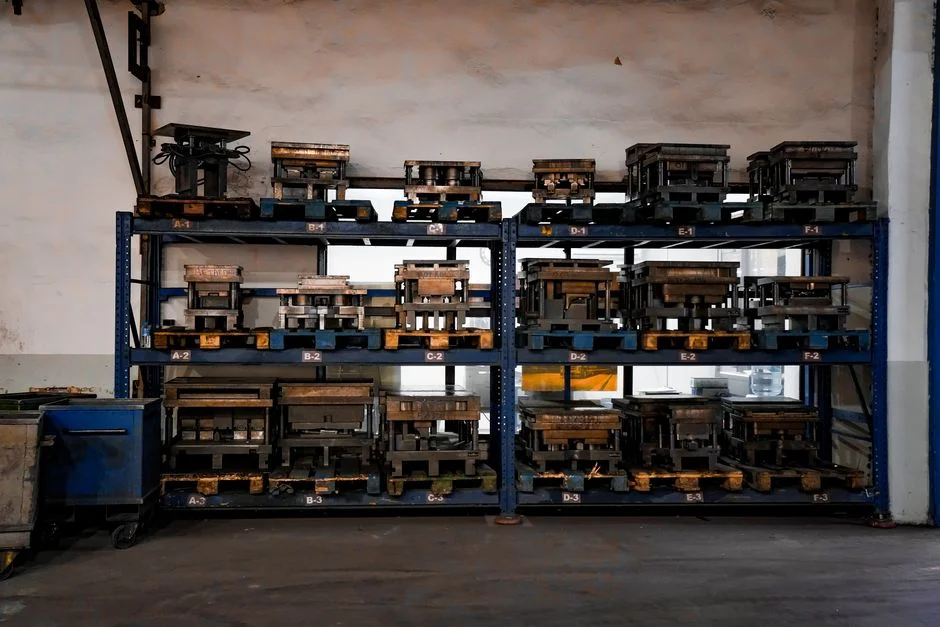
You can pay for a custom mold, receive thousands of perfectly good products, and still discover that you cannot take the mold to another factory. That sounds unreasonable. Yet a tooling invoice does not, by itself, settle every question about legal ownership, physical possession, use restrictions, design files, and the right to remove an asset.
Imagine a buyer who funds a production mold for an overseas supplier. The first orders go well. Then prices rise, quality slips, or the buyer simply finds a more suitable manufacturer. The buyer requests the mold for transfer. The supplier replies: “The mold is part of our production system.” Another says the tooling charge covered development, not purchase. A third agrees to release the mold but cannot provide the inserts or technical records needed to run it elsewhere.
The uncomfortable lesson is that paying for a tool and controlling a tool are not the same thing. Buyers should settle both before production begins, not when they are trying to leave.
First, Separate Five Rights That Buyers Often Confuse
A mold or die is more than a line on a quotation. It is a production asset that may be expensive to replace and difficult to move. At least five separate questions deserve a clear answer:
- Title: Who legally owns the physical mold, die, jig, fixture, or gauge, and when does ownership transfer?
- Custody: Where is the asset located, who physically holds it, and who can inspect it?
- Permitted use: Can the supplier manufacture only the buyer's goods with it, or can it use the tool for other customers?
- Design and technical rights: Who may use the drawings, CAD files, programs, process data, and any underlying intellectual property?
- Release and transfer: Under what conditions must the supplier hand over the tool, what else must accompany it, and who pays the transfer costs?
A buyer could own the physical mold while the manufacturer legitimately keeps it at its plant for production. That arrangement can work well for years. Problems begin when the contract does not also explain access, maintenance, permitted use, and release. Conversely, having product drawings does not necessarily mean the buyer owns the supplier's machines, standard mold bases, proprietary tooling methods, or software.
Ownership is determined by the actual agreement and applicable law, not by a slogan that the party paying a fee always owns everything.
What Did the Tooling Fee Actually Buy?
Before negotiating “tool ownership,” identify the commercial model. Three arrangements can look similar on an invoice but have different consequences.
Buyer-Funded, Buyer-Owned Tooling
The buyer pays an agreed amount to have a dedicated asset made, and the parties specify that ownership transfers at a defined milestone, such as a particular payment or acceptance event. The manufacturer normally retains custody and permission to use the asset for authorized production. Transfer rights and any outstanding obligations still need to be documented.
Supplier-Funded or Supplier-Owned Tooling
The manufacturer finances or provides the tool, and its cost may be recovered through the part price. In this model, the buyer should not assume it can collect the tool after purchasing a certain number of parts. If continuity or relocation matters, negotiate a purchase option or another exit arrangement in advance.
Amortized or Shared-Cost Tooling
Tooling cost is recovered gradually through part prices, minimum volumes, or staged contributions. This arrangement needs particular care. Suppose a supplier invests $10,000 in tooling and adds $0.40 to each unit over a planned 25,000-unit program. After 10,000 units, only $4,000 of the planned recovery has occurred. Does paying the remaining $6,000 transfer ownership? Does the buyer owe anything if the project ends early? The answer depends on the agreed terms; arithmetic alone does not transfer title.
Define any buyout formula, ownership milestone, unfulfilled volume commitment, and treatment of tool improvements before accepting the pricing structure. Otherwise, a seemingly attractive lower upfront cost can become a switching barrier.
“The Mold” May Be More Than One Piece of Steel
Even a supplier willing to return a mold can disagree over what must be included. An injection mold may involve cores, cavities, inserts, sliders, ejector systems, and interchangeable parts. Other processes can depend on dies, fixtures, checking gauges, patterns, special cutting tools, or test equipment.
Write a tooling schedule that identifies the exact assets included in the agreement, rather than referring vaguely to “one mold.” Useful fields include a unique tool ID, related product and drawing revision, components and cavities, agreed ownership, current custodian, physical location, and condition at acceptance. For higher-value projects, add photographs, acceptance records, maintenance history, and an agreed inventory of removable components.
Some equipment may be shared among several projects. A manufacturer may also rely on its own proprietary machinery or methods. The schedule should distinguish dedicated buyer tooling from shared or supplier-owned assets rather than promising transfer of things the supplier never agreed to sell.
The Nine Terms to Agree Before Paying for Custom Tooling
1. Define the Ownership Event
State precisely whether title transfers when the tool is manufactured, paid for, inspected, accepted, or when a specified volume is purchased. Identify any components excluded from ownership. Align the purchase order, tooling invoice, and master manufacturing agreement so they do not contradict one another.
2. Maintain an Identifiable Asset Register
Assign a tool number, record part and revision identifiers, and request practical marking or labels where appropriate. Obtain the supplier's written confirmation of the asset list and location. A declaration that the buyer owns “all tooling” is much harder to act on if nobody can identify the specific tool on the shop floor.
3. Restrict Unauthorized Use
If the buyer needs exclusive use, say so explicitly. Define whether the manufacturer may use the tooling for prototypes, demonstrations, spare parts, other customers, or any work after the purchasing program ends. Also control unauthorized copying, modification, and movement to an unapproved facility.
The related FirmaPanel guide [[link:sourcing/unauthorized-subcontracting-manufacturing-buyers]] explains why verifying the real production location matters even when the contracting supplier is legitimate.
4. Specify Custody, Storage, and Access
Record the approved factory or toolroom and the party responsible for safe storage. Agree on reasonable access for inventory checks, photographs, and condition reviews. Require notice if the tool will be moved, damaged, lost, or transferred to another custodian.
5. Allocate Maintenance and Repair Responsibilities
Who pays for routine cleaning, lubrication, preventive maintenance, worn inserts, accidental damage, and major repairs? Who approves a change that might alter product dimensions? Establish maintenance logs and condition reporting appropriate to the asset's value and production risk.
A tool can remain legally yours while deteriorating beyond economical use. The contract needs to protect its working condition, not only its ownership label.
6. Control Engineering Changes
Require written approval for changes that alter fit, function, cavities, critical dimensions, material, or production performance. Keep revision records and clarify whether replacement cores, inserts, or new fixtures become part of the same ownership schedule.
For the finished product, a clear specification is just as important. See [[link:sourcing/how-to-write-product-specification-sheet-manufacturers]] for a practical approach to documenting what the factory is expected to make.
7. Separate Physical Tooling from Intellectual Property
Owning a physical mold does not necessarily give a buyer every right to the underlying product design, mold design, manufacturing know-how, CAD files, or machine programs. Some information may originate with the buyer, some with the manufacturer, and some may be licensed from a third party.
Agree on ownership and permitted use of each important category. Identify exactly which drawings, neutral-format files, inspection records, and setup information must be delivered for a future transfer. The World Intellectual Property Organization's guidance on IP agreements with suppliers explains why explicit intellectual-property terms matter in manufacturing relationships.
8. Write the Release Procedure Before It Is Needed
Define who can request release, the notice procedure, the deadline or agreed timetable, the receiving party, and the condition in which the tooling must be delivered. Establish how undisputed outstanding balances are settled and what happens if invoices or ownership are disputed. Applicable law may give a supplier or another party possessory or security rights, so important release provisions should be reviewed for the relevant jurisdiction.
9. Agree on Transfer Costs and Cooperation
Removal is a project, not merely permission to collect a box. Decide who pays for dismantling, preservation, packing, lifting, local transport, export formalities, freight, insurance, and installation at the destination. Require a handover inventory and relevant technical records. For critical programs, address reasonable transition assistance and the scope of any trial production support.
A Hypothetical Dispute: The $8,400 Mold That Cannot Move
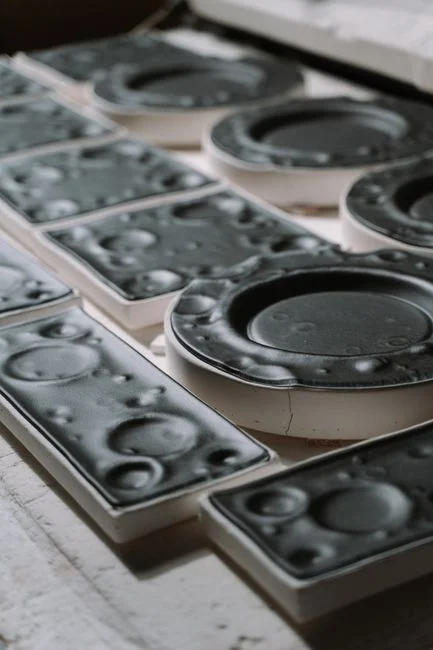
An importer orders a custom plastic housing. The supplier quotes $8,400 for dedicated tooling and provides finished parts for eighteen months. The buyer later seeks a second manufacturing source because forecast demand is growing.
At that point, the supplier says the mold belongs to the buyer but is located at a separate toolmaker. The cavity inserts were modified during production, and no complete handover inventory exists. The supplier can provide photographs, but not the full setup records. A new factory will not commit to production until it can inspect the tool and run a trial.
This example does not prove the supplier acted improperly. The original arrangement may have allowed outsourced toolmaking, and some process information may legitimately belong to the factory. But it exposes three different risks that an invoice did not solve:
- Asset risk: The buyer cannot confirm that every required component is present and in usable condition.
- Information risk: The buyer lacks the technical records needed to assess compatibility and resume production efficiently.
- Continuity risk: Even if legal ownership is uncontested, transferring production may require weeks of engineering work, testing, and commercial negotiation.
The buyer might need an inspection, a negotiated data package, repairs, or even a new tool. These are illustrative possibilities, not inevitable outcomes. The point is that negotiating the handover only after the relationship deteriorates is usually harder than agreeing on it before the first purchase order.
How to Transfer a Mold to a New Manufacturer Without Losing Production Control
If a change becomes necessary, use a deliberate handover plan instead of treating the tool as ordinary freight.
- Confirm authority and inventory. Review the tooling agreement, identify the legal owner and current custodian, and reconcile the asset register with physical photographs and tool numbers.
- Review outstanding obligations. Resolve payment, maintenance, or release conditions according to the contract. Seek local legal advice when retention or ownership is contested.
- Inspect condition before removal. Where feasible, obtain a documented review of visible wear, missing components, corrosion, modification history, and maintenance needs.
- Check compatibility with the receiving factory. Verify machine size, mounting, power or hydraulic connections, material handling, and other relevant process interfaces before shipping.
- Collect agreed technical records. Gather the current product drawings, revision history, approved samples or first-article records, and any transferable setup documentation.
- Document packing and transit. Agree on corrosion protection, lifting methods, crate contents, condition photographs, transport insurance, and any cross-border documentation needed.
- Validate at the destination. Run an appropriate trial, inspect the new samples against approved specifications, and resolve deviations before committing the next bulk order.
A mold that arrives safely is not automatically a mold that is ready for production. Differences in machinery, process settings, materials, and operator experience can affect the result. Treat the transfer as a controlled restart.
What If You Already Paid and Have No Tooling Agreement?
Do not assume you have no rights, and do not assume the supplier must release everything immediately. Gather the purchase order, quotation, invoice, payment record, emails, design files, sample approvals, photographs, and any statements identifying tool ownership. These documents may help establish what the parties actually agreed.
Ask the manufacturer for an inventory confirmation first: which tools exist, where they are, which products they serve, and who owns and operates them. If the relationship remains cooperative, negotiate a written addendum covering possession, permitted use, maintenance, access, technical deliverables, and eventual return.
If a dispute has already started, contractual rights, liens, local procedures, and intellectual-property rules can differ across jurisdictions. Specialist legal advice may be more useful than threatening an immediate collection that cannot practically be enforced.
Tooling Ownership Checklist for International Buyers
- Is every custom mold, die, insert, fixture, and gauge listed individually?
- Do the commercial documents state who owns each asset and when title transfers?
- If cost is amortized into unit prices, is the buyout or vesting formula written down?
- Do we know the actual location and custodian of the tooling?
- Are inspection access, labeling, and inventory records agreed?
- Are permitted users, customers, and production locations clearly defined?
- Who pays for maintenance, damage, repairs, and end-of-life replacement?
- Who approves modifications and owns replacement components?
- Which CAD files, drawings, inspection records, and setup materials are deliverable?
- Does the contract distinguish tooling ownership from design and IP rights?
- Is there a clear release process, including any outstanding balance or lien issues?
- Who organizes and pays for removal, packing, shipping, and receiving-factory validation?
Frequently Asked Questions
If I pay a tooling fee, do I automatically own the mold?
Not necessarily. A fee might fund a tool purchase, development work, modification, shared-cost tooling, or an amortized manufacturing program. Determine what the agreement says about title, custody, and transfer under applicable law.
Can a factory use my mold to manufacture for other customers?
The answer depends on the parties' rights and any applicable protections. Buyers who require exclusive use should define it in the contract, along with restrictions on copying, modification, and use after the relationship ends.
Can I transfer a mold without the original factory's CAD and setup files?
Sometimes. A receiving toolmaker may be able to inspect or reverse-engineer aspects of the tool, but cost, lead time, compatibility, accuracy, and IP permissions must be considered. It is far better to agree in advance on the technical package needed for continuity.
Final Sourcing Lesson: Negotiate the Exit While Everyone Still Wants the Deal
Manufacturers and buyers can both benefit when custom tooling stays at the factory and produces reliable parts for years. The goal is not to make every supplier surrender proprietary know-how or every buyer insist on taking all equipment home. It is to agree exactly which assets and rights each side is buying, supplying, holding, and maintaining.
A serious sourcing decision asks not only, “Can this supplier make our product?” but also, “If we need to move production in two years, what precisely can we take, and how will the handover work?”
Start that conversation before paying the tooling invoice. If the answers are vague now, they may become very expensive later.
Before selecting a new manufacturer, review [[link:sourcing/documents-to-request-from-new-supplier]] to make sure commercial due diligence goes beyond an attractive quotation.