Get Quotes from Suppliers and Manufacturers Worldwide
 Finding the right supplier involves more than searching for the lowest price. Buyers must also compare product quality, minimum order quantities, production capacity, delivery times, payment terms, certifications, packaging options, and shipping conditions.
FirmaPanel helps businesses connect with manufacturers, wholesalers, exporters, and international suppliers. Buyers can publish their purchasing requirements, receive commercial offers, and compare suppliers from different countries through a structured request for quotation process.
If you already know what you need, you can Post RFQ and invite relevant suppliers to provide pricing and supply details.
What Is a Request for Quotation?
A request for quotation, commonly called an RFQ, is a document or online purchasing request used to collect commercial offers from suppliers. It explains what the buyer wants to purchase and gives suppliers the information they need to calculate an accurate price.
A supplier quotation may include unit price, total order value, minimum order quantity, production time, product specifications, packaging details, shipping terms, payment conditions, warranty information, and quotation validity.
Why Get Quotes from Multiple Suppliers?
Prices and supply conditions can vary significantly between manufacturers, wholesalers, and trading companies. A supplier offering the lowest unit price may require a much larger order, a longer production time, or less favorable payment terms.
- Understand current market prices
- Find suitable minimum order quantities
- Compare production and delivery times
- Evaluate product specifications
- Identify manufacturers offering customization
- Compare payment and shipping conditions
- Reduce dependency on a single supplier
- Discover suppliers in new countries
How to Get Quotes from Suppliers on FirmaPanel
- Describe the product you need. Include the product name, material, dimensions, model, grade, standard, and application.
- Enter the required quantity. Suppliers need an estimated quantity to calculate pricing and production requirements.
- Provide delivery information. Mention the destination country, city or port, preferred date, and shipping terms.
- Add technical files. Upload photographs, drawings, specification sheets, bills of materials, or reference documents.
- Publish your quotation request. Relevant suppliers can review your requirements and prepare offers.
- Compare quotations. Review prices, MOQs, lead times, payment terms, certifications, and capabilities.
You can begin on the Post RFQ.
What Information Should You Include in an RFQ?
 The quality of the quotations you receive often depends on the quality of the information you provide. A vague request may result in inaccurate prices, unsuitable offers, or repeated questions from suppliers.
- Clear product title and description
- Estimated purchase quantity
- Required material, grade, dimensions, or tolerances
- Target price when appropriate
- Required certifications or standards
- Packaging and private-label requirements
- Destination country or delivery port
- Expected delivery date
- Preferred Incoterms and payment conditions
- Drawings, photographs, or supporting files
For industrial products, machinery, spare parts, and custom components, technical accuracy is particularly important. Buyers should include material grades, operating conditions, dimensions, tolerances, drawings, performance expectations, and applicable standards.
Example of a Good Supplier Quotation Request
Product: Stainless steel hex bolts
Material: A4-80 stainless steel
Standard: DIN 933
Sizes: M8, M10, and M12
Quantity: 20,000 pieces per size
Packaging: Export cartons on pallets
Destination: Istanbul, Türkiye
Required information: Unit price, MOQ, production time, certificates, payment terms, and shipping options
How to Compare Supplier Quotations
Unit Price and Minimum Order Quantity
Confirm that the price is based on the requested quantity and specification. Check whether packaging, tooling, labeling, inspection, and documentation costs are included.
Product Specification and Quality
Make sure all suppliers are quoting the same material, size, grade, design, quality level, and packaging standard. Ask for samples, test reports, certificates, and inspection options when necessary.
Production Capacity and Lead Time
Ask whether the supplier can handle the initial order and future repeat orders. Confirm whether lead time includes material preparation, manufacturing, quality control, packaging, and dispatch.
Shipping and Payment Terms
Review Incoterms such as EXW, FOB, CIF, and DDP. Compare deposit requirements, payment schedules, accepted methods, credit options, and currencies.
Manufacturer, Wholesaler, or Trading Company?
Manufacturers can be suitable for large orders, custom production, private labeling, technical products, and long-term supply agreements. Wholesalers may support smaller orders and faster dispatch. Trading companies and exporters can help buyers consolidate multiple products and manage international documentation.
Explore companies through the Vendors and review products through the Products.
How to Verify a Supplier Before Ordering
Check company registration details, business addresses, contact information, certificates, factory images, export references, and bank account ownership. For higher-value orders, consider a video meeting, sample order, factory audit, or third-party inspection.
Samples, Prototypes, and Trial Orders
A sample or trial order can help buyers evaluate material quality, dimensions, tolerances, color, finish, packaging, branding, and performance before committing to a larger purchase.
Understanding the Total Landed Cost
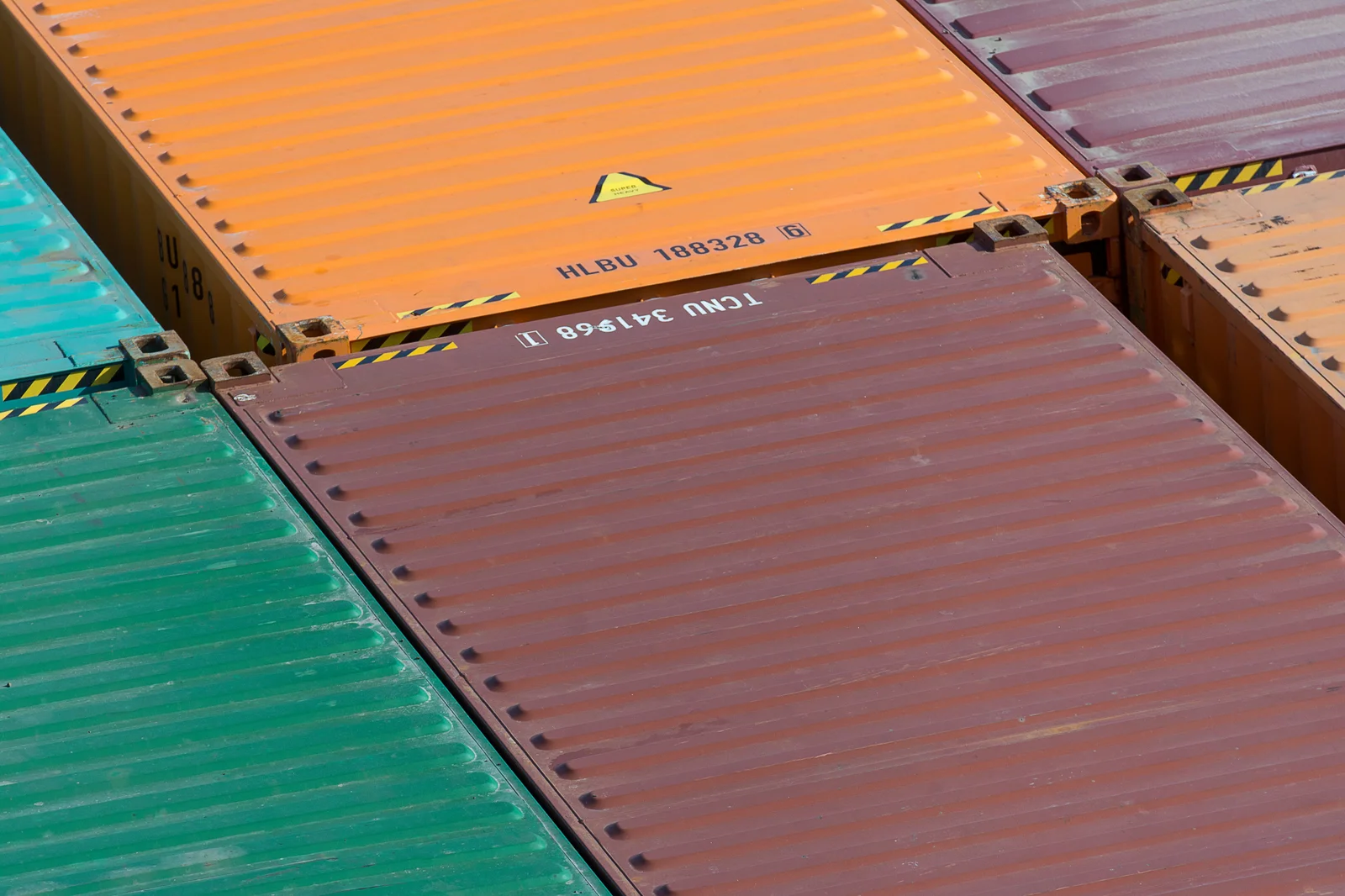 The total landed cost is the complete cost of bringing a product to the buyer's location. It may include product price, tooling, packaging, export documentation, freight, insurance, customs duties, import taxes, customs clearance, port charges, local delivery, and inspection costs.
Comparing landed costs gives buyers a more accurate understanding of which quotation offers the best commercial value.
Common Mistakes When Requesting Supplier Quotes
- Providing an unclear product description
- Leaving out the required quantity
- Comparing quotations for different specifications
- Choosing a supplier based only on price
- Ignoring freight, duties, and import costs
- Failing to check production capacity
- Not requesting samples or inspection
- Accepting unclear payment conditions
- Placing a large first order without sufficient verification
Frequently Asked Questions
How many suppliers should I request quotations from?
Comparing several relevant offers provides a better understanding of market pricing, delivery conditions, and supplier capabilities.
Can I request quotations for custom products?
Yes. Include drawings, dimensions, materials, performance requirements, branding details, expected quantity, and other technical information required for custom manufacturing.
What is the difference between an RFQ and an RFP?
An RFQ requests pricing and commercial terms for a clearly defined product. An RFP is broader and may ask suppliers to recommend a complete technical or commercial solution.
Start Your Supplier Search
FirmaPanel connects business buyers with manufacturers, wholesalers, exporters, and international suppliers. A detailed quotation request can help you compare suitable supply options and make a better purchasing decision.
Submit your buying request and get quotes from suppliers worldwide.