MOQ
—
Category
Bowls
Product details
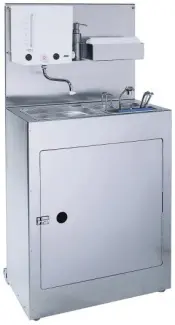
Cleaning Sinks Tool
Cleaning sinks made of 18/10 stainless steel are essential for hygienic operation in everyday life. They are manufactured in a wide variety of designs: round or square, as a built-in model or with wall mounting and of course, with an adjustable water flow or scoop shower. Due to the built-in scoop shower, the ice cream scoop bowl is cleaned inside and outside at the same time within seconds. The scoop showers works on demand when the portioner is pressed onto the blue nozzle pin. This means the flushing system only uses water when needed. Compared to systems with permanent water flow, water consumption can be reduced by more than 90%. This saving is good for the environment and saves high water costs. For optimal cleaning, we produce cleaning sinks with an additional scoop dryer. After cleaning with water, the bowl is dried using the scoop dryer. Scoop showers and dryers are also available individually.
Source with clarity
Interested in this product?
Ask Stöckel Söhne Metallwarenfabrik GmbH & Co. KG about pricing, availability, customization, and delivery requirements in one private inquiry.
- Private buyer–supplier conversation
- Free buyer account
- Keep messages and quotes organized
From this supplier
View vendor profile
More from Stöckel Söhne Metallwarenfabrik GmbH & Co. KG
Explore more approved listings published by the same company.

Compare the market
Browse category
Related products
Review similar products from other suppliers in this category.
More products in this category

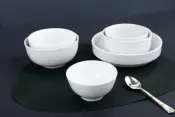
Bowls
Ceramic Tableware Bowl
Guangxi Beiliu Xiongcheng Ceramic Industry Co., Ltd.
China, Yulin Guangxi Zhuangzu Zizhiqu
Sourcing intelligence
Practical guides for global trade
Recent FirmaPanel articles for evaluating suppliers, sourcing products, and preparing export conversations.
 Trade guide
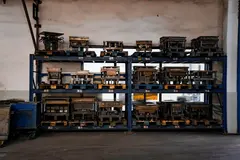
You Paid for the Mold. Why Can't You Take It to Another Factory?
Paid for a custom mold? Learn who owns manufacturing tooling, what to put in supplier contracts, and how to transfer molds between factories.
Read article
Trade guide
You Paid for the Mold. Why Can't You Take It to Another Factory?
Paid for a custom mold? Learn who owns manufacturing tooling, what to put in supplier contracts, and how to transfer molds between factories.
Read article
 Trade guide
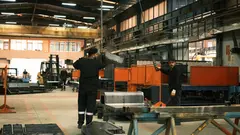
The Factory You Approved May Not Be Making Your Order
Your approved factory may not make your order. Learn how to identify unauthorized subcontracting, verify production sites, and control sourcing risks.
Read article
Trade guide
The Factory You Approved May Not Be Making Your Order
Your approved factory may not make your order. Learn how to identify unauthorized subcontracting, verify production sites, and control sourcing risks.
Read article
 Trade guide
The Fastest Supplier Quote May Be the Worst Deal: How to Verify Production Lead Times
Is the fastest supplier always the best? Learn how to verify manufacturing lead times, factory capacity, material readiness and reliable shipment dates.
Read article
Trade guide
The Fastest Supplier Quote May Be the Worst Deal: How to Verify Production Lead Times
Is the fastest supplier always the best? Learn how to verify manufacturing lead times, factory capacity, material readiness and reliable shipment dates.
Read article