
MOQ
—
Category
Bathroom Accessories
Product details
Buoy Marine Plastic Waste Stool
The seat of this stool is made from marine plastic waste. Approximately 1.7 kg of waste is used, equivalent to about 850 plastic bottle caps. The stool features the unique colors and patterns characteristic of marine debris.
The edge of the seat is designed with a large curve, making it gentle on the thighs. While the stool is heavier than standard stools, its edge is shaped for an easy grip, allowing it to be moved effortlessly. It can also be stacked up to four units high.
Additionally, the seat is embedded with an NFC chip. By tapping it with a smartphone, users can access a dedicated webpage containing information about the marine waste collection areas, the organizations involved, and the production background of the stool.
By transforming 1.7 kg of marine plastic waste into this stool, we aim to return discarded plastic to society and promote marine debris collection.
Dimensions: 375 × 375 × h:470 mm (seat diameter: 335 mm), weight: 3.60 kg
Source with clarity
Interested in this product?
Ask buoy Corporation about pricing, availability, customization, and delivery requirements in one private inquiry.
- Private buyer–supplier conversation
- Free buyer account
- Keep messages and quotes organized
From this supplier
View vendor profile
More from buoy Corporation
Explore more approved listings published by the same company.



Compare the market
Browse category
Related products
Review similar products from other suppliers in this category.
More products in this category
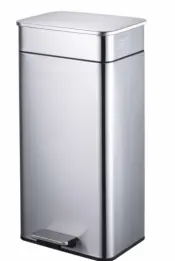
Bathroom Accessories
E Series Pedal Bin
Jiangmen City Xinhui Zhenghua Ironware Co., Ltd.
China, Jiangmen Guangdong
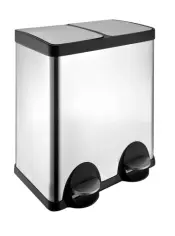
Bathroom Accessories
Stainless Steel Waste Sorters
Jiangmen City Xinhui Zhenghua Ironware Co., Ltd.
China, Jiangmen Guangdong
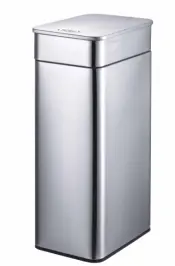
Bathroom Accessories
F Series Pedal Bin
Jiangmen City Xinhui Zhenghua Ironware Co., Ltd.
China, Jiangmen Guangdong

Bathroom Accessories
Bathroom Accessories Collection
Zeller Present Handels GmbH
Germany, Wörth a. Main
Sourcing intelligence
Practical guides for global trade
Recent FirmaPanel articles for evaluating suppliers, sourcing products, and preparing export conversations.
 Trade guide
You Paid for the Mold. Why Can't You Take It to Another Factory?
Paid for a custom mold? Learn who owns manufacturing tooling, what to put in supplier contracts, and how to transfer molds between factories.
Read article
 Trade guide
The Factory You Approved May Not Be Making Your Order
Your approved factory may not make your order. Learn how to identify unauthorized subcontracting, verify production sites, and control sourcing risks.
Read article
 Trade guide
The Fastest Supplier Quote May Be the Worst Deal: How to Verify Production Lead Times
Is the fastest supplier always the best? Learn how to verify manufacturing lead times, factory capacity, material readiness and reliable shipment dates.
Read article