Bakery Product Suppliers in Australia: Pastry, Pizza Bases & Bakery Ingredients
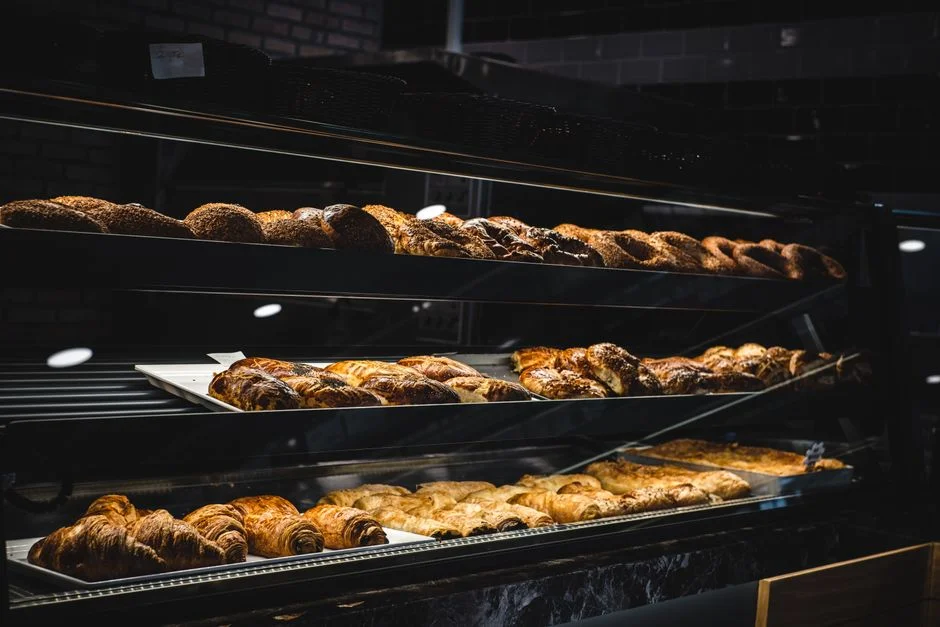
Australia can be a useful sourcing market for buyers who want bakery products that are already close to the final sale or service format. FirmaPanel currently lists 48 approved bakery products from 13 Australian suppliers, including macarons, pastry shells, pizza bases, dough balls, bao buns, frozen pastries, bakery margarines and shortenings.
The first question is not simply “which supplier is cheapest?” It is whether you need a finished product, a frozen product that still needs baking, or an ingredient for your own production. That decision changes storage, freight, shelf life, labour and the kind of margin you can expect after import.
Australian bakery suppliers to put on the shortlist
There is a real difference between buying ready-to-sell macarons and buying a 15 kg bakery shortening. One is mainly a product and cold-chain decision; the other is a production-input decision. Start by separating suppliers by how the product will enter your business.
 Australian French Pastry
 Elco Food
 EOI Bakery/Peerless Foods
 LETIZZA PIZZA BASES
 MOI International
 Mrs Tran's Kitchen Pty Ltd
 READY BAKE PASTRIES
 wholesale Loukoumades
What buyers can find in the current inventory
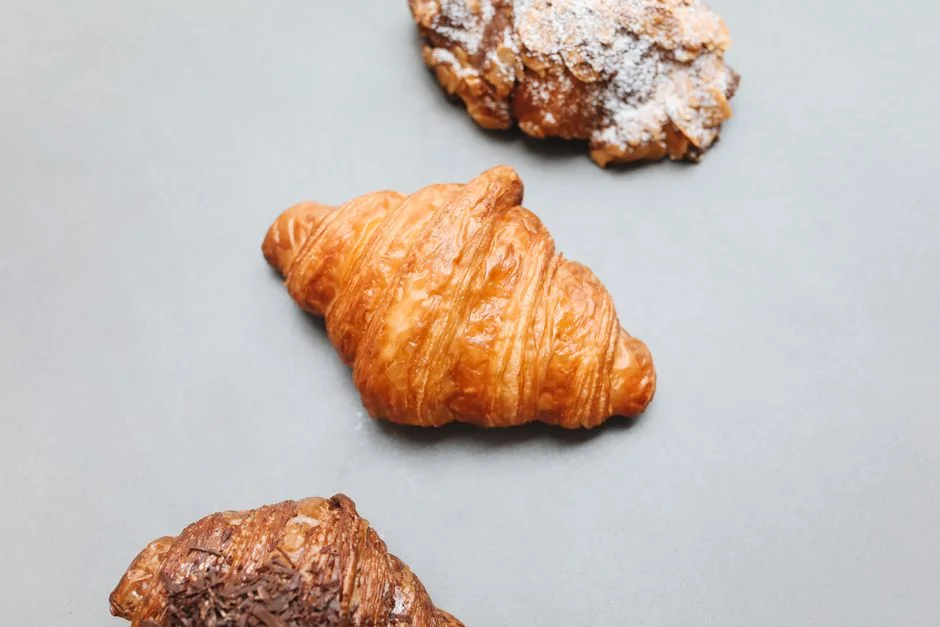
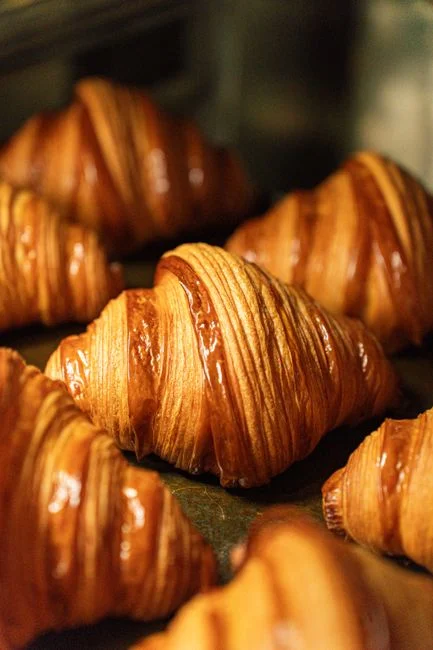
The examples below show the range well: finished macarons, frozen pastries, pastry shells, pizza bases, dough balls, bao buns, bakery margarine and choux pastry. A buyer can therefore source either something that goes almost straight to the customer or something that becomes part of an in-house baking process.
Before asking for prices, write down exactly where the product sits in your operation. Is it for supermarket retail, a café chain, hotel breakfast service, frozen distribution or a commercial bakery? That one sentence will eliminate a lot of irrelevant quotations.
 Gourmet Natural Macarons
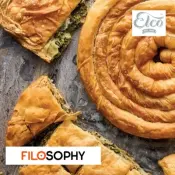 Filosophy Frozen Greek Pastries
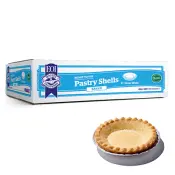 EOI Baked Pastry Shells 3 inch – Qty 180
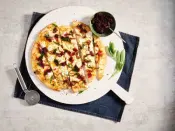 Letizza's Classic Pizza Bases
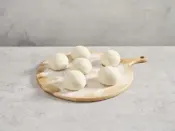 Letizza's Dough Balls
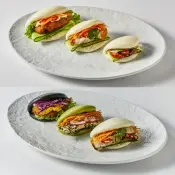 Bao Bun Varieties
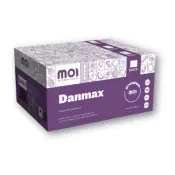 Danmax Laminating Margarine
 Choux Pastry
Shelf life can matter more than the unit price
A bakery product with a very attractive factory price can become a poor import if too much shelf life is consumed in production, export handling and transport. Ask for total shelf life, remaining shelf life at dispatch and the storage temperature from production through delivery.
For frozen goods, the question is even more practical: how long can the product remain frozen, and what happens after thawing or baking? A distributor needs enough time to receive, store and resell the product without creating unnecessary expiry pressure.
For ambient bakery ingredients, check whether heat or humidity affects performance during transport. The right answer depends on the product, so the supplier's storage specification should be part of the quotation, not an afterthought.
Frozen bakery only works if the logistics make sense
Frozen pastry, dough balls and some prepared bakery products can save labour at destination, but they add a cold-chain requirement. That cost has to be compared with the value of consistency and reduced preparation time.
Ask whether the product ships frozen, chilled or ambient, the required transport temperature, carton weight and pallet configuration. Also ask for preparation instructions. A product that needs specialist proofing or equipment may be less convenient than it first appears.
If your business is also buying food packaging or commercial kitchen equipment from Australia, Australia Food Packaging & Commercial Kitchen Equipment Suppliers is useful for planning the surrounding operation rather than treating the bakery product as a standalone purchase.
Retail packs and foodservice packs solve different problems

A café may want bulk pastry shells or dough balls with minimal packaging. A supermarket buyer needs retail-ready packs with labelling space, barcodes and a unit size that makes sense on the shelf. The underlying product may be similar, but the commercial format is not.
Ask suppliers what pack sizes are already standard. Existing formats are often easier to order at lower MOQ than a completely new private-label pack. For foodservice, larger cartons may reduce packaging cost, while retail buyers usually need better presentation and stronger individual protection.
Do not compare only price per carton. Convert offers into price per piece, kilogram or serving so that different pack formats become easier to compare.
Gluten-free and vegan lines need clear separation
The Australian inventory includes gluten-free and vegan/gluten-free bakery options. These can be valuable for specialist retail and foodservice, but buyers should ask exactly what claim the supplier supports and what documentation is available for the destination market.
Also ask how the product is handled in production and packing if cross-contact matters to your customer. A broad marketing description is not enough for a buyer who intends to make a specific dietary claim on the final pack.
Pizza bases are really a labour decision
Pre-made pizza bases, dough balls and slabs can all reduce preparation work, but they do it in different ways. A ready base gives maximum consistency and speed. Dough balls keep more of the fresh-made experience but still remove mixing and portioning. Pizza slabs can suit high-volume or foodservice formats where speed matters more than individual preparation.
Ask for diameter, weight, thickness, storage method and preparation time. For restaurant and catering buyers, it is also worth checking how the product performs after freezing, thawing and baking in the equipment already used at destination.
Bakery ingredients should be judged on yield, not just kilograms
Margarine, shortening and bakery compounds are production inputs. The cheapest price per kilogram is not automatically the cheapest finished product if another ingredient gives better handling, lamination, consistency or yield.
Commercial bakeries should tell the supplier what they are producing—bread, puff pastry, cakes, buns or fried products—and ask which ingredient is intended for that job. Technical sheets, recommended dosage and trial quantities are much more useful here than a general catalogue.
Send a buying brief that reflects the real product
For finished bakery goods, include product type, quantity, pack size, required shelf life, storage condition, destination and whether retail packaging is needed. For frozen goods, include cold-chain requirements and expected preparation method. For bakery ingredients, include the application and the pack size your production team can handle.
Then send the same requirement through Post RFQ. When suppliers quote against one clear brief, differences in shelf life, packing, logistics, MOQ and price become much easier to judge.
Start an RFQ