MOQ
—
Categoria
Vassoi da portata
Dettagli del prodotto
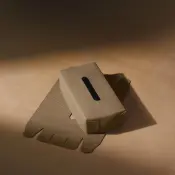
LIND DNA Recycled Leather Products
At LIND DNA, recycled leather is at the core of our design approach — a signature material found across almost our entire collection. Responsibly crafted and beautifully refined, it reflects our dedication to quality, craftsmanship, and timeless Danish design.
We offer nine different leather textures, each with its own distinctive colour universe. Together, they create more than 100 combinations, giving endless possibilities to mix tones, shapes, and surfaces for any interior.
Our latest addition, Corduroy, has been warmly received. Inspired by the iconic pattern of corduroy textile, its horizontal lines add depth and character, while the surface feels soft and smooth. Carefully embossed by hand in Denmark, Corduroy brings a modern yet classic expression to our world of recycled leather.
Source with clarity
Interested in this product?
Ask LIND DNA about pricing, availability, customization, and delivery requirements in one private inquiry.
- Private buyer–supplier conversation
- Free buyer account
- Keep messages and quotes organized
From this supplier
View vendor profile
More from LIND DNA
Explore more approved listings published by the same company.



Compare the market
Browse category
Prodotti correlati
Review similar products from other suppliers in this category.
Vassoi da portata
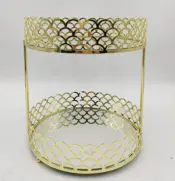
2-Tier Gold Scales Metal Mirror Tray
Hong Kong Zhen Da Industrial Co., Ltd.
Hong Kong, Admiralty
Vassoi da portata
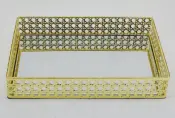
Gold Canning Metal Tray
Hong Kong Zhen Da Industrial Co., Ltd.
Hong Kong, Admiralty
Vassoi da portata
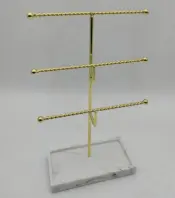
White Resin Marble 3 T - Bar Holder
Hong Kong Zhen Da Industrial Co., Ltd.
Hong Kong, Admiralty
Vassoi da portata
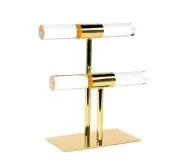
Gold Double Base Acrylic Jewelry Bar
Hong Kong Zhen Da Industrial Co., Ltd.
Hong Kong, Admiralty
Sourcing intelligence
Practical guides for global trade
Recent FirmaPanel articles for evaluating suppliers, sourcing products, and preparing export conversations.
 Trade guide
Dovresti richiedere campioni prima di effettuare un ordine all'ingrosso?
Scopri quando richiedere campioni di prodotto prima di effettuare un ordine all'ingrosso, cosa possono e non possono dimostrare i campioni e come gli acquirenti dovrebbero utilizzare il campionamento per ridurre il rischio di approvvigionamento.
Read article
Trade guide
Dovresti richiedere campioni prima di effettuare un ordine all'ingrosso?
Scopri quando richiedere campioni di prodotto prima di effettuare un ordine all'ingrosso, cosa possono e non possono dimostrare i campioni e come gli acquirenti dovrebbero utilizzare il campionamento per ridurre il rischio di approvvigionamento.
Read article
 Trade guide
Quanto dovresti davvero ordinare da un nuovo fornitore?
Scopri come dimensionare un primo ordine da un nuovo fornitore utilizzando MOQ, domanda, tempi di consegna, costi di spedizione, rischio di qualità e esposizione di cassa invece del solo prezzo unitario.
Read article
Trade guide
Quanto dovresti davvero ordinare da un nuovo fornitore?
Scopri come dimensionare un primo ordine da un nuovo fornitore utilizzando MOQ, domanda, tempi di consegna, costi di spedizione, rischio di qualità e esposizione di cassa invece del solo prezzo unitario.
Read article
 Trade guide
Dovresti usare DDP quando importi dalla Cina?
Scopri quando la spedizione DDP dalla Cina può semplificare l'importazione, dove si presentano rischi doganali e fiscali, e quando DAP o FCA possono essere una scelta più sicura.
Read article
Trade guide
Dovresti usare DDP quando importi dalla Cina?
Scopri quando la spedizione DDP dalla Cina può semplificare l'importazione, dove si presentano rischi doganali e fiscali, e quando DAP o FCA possono essere una scelta più sicura.
Read article