
MOQ
—
Categoria
Accessori per la casa in stile lifestyle
Dettagli del prodotto
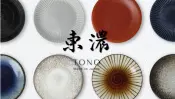
Kairagi Japanese Tableware
"Kairagi" is the skin of fish with hard protrusions from rays and sharks, and during the Sengoku and Edo periods, the skin was polished and used to decorate the sheaths and hilts of swords. By polishing this fish skin, a pattern resembling the petals of a plum blossom appeared, and it was called ``Kairagi'' (plum flower skin).
The surface of ``Kairagi'' resembles plum blossom skin because of the atmosphere of the kiln, the particle size distribution of the soil, and the glaze composition. When firing the glaze, a phenomenon called "crinkle" occurs, and this crinkle forms a beautiful pattern. In particular, the presence of water vapor became an important point, giving rise to the unique patterns of plum blossom skin, which were valued for their beauty.
Source with clarity
Interested in this product?
Ask Tono Toki Co., Ltd. about pricing, availability, customization, and delivery requirements in one private inquiry.
- Private buyer–supplier conversation
- Free buyer account
- Keep messages and quotes organized
From this supplier
View vendor profile
More from Tono Toki Co., Ltd.
Explore more approved listings published by the same company.

Accessori per la casa in stile lifestyle
Fritted Tableware Porcelain
Tono Toki Co., Ltd.
Giappone, Toki Gifu

Accessori per la casa in stile lifestyle
Ultra Light Tableware
Tono Toki Co., Ltd.
Giappone, Toki Gifu
Compare the market
Browse category
Prodotti correlati
Review similar products from other suppliers in this category.

Accessori per la casa in stile lifestyle
Loungesessel + Ottoman - ZW.12 + ZW.20
zweitwerk
Germania, Wolfsburg
Sourcing intelligence
Practical guides for global trade
Recent FirmaPanel articles for evaluating suppliers, sourcing products, and preparing export conversations.
 Trade guide
Dovresti richiedere campioni prima di effettuare un ordine all'ingrosso?
Scopri quando richiedere campioni di prodotto prima di effettuare un ordine all'ingrosso, cosa possono e non possono dimostrare i campioni e come gli acquirenti dovrebbero utilizzare il campionamento per ridurre il rischio di approvvigionamento.
Read article
Trade guide
Dovresti richiedere campioni prima di effettuare un ordine all'ingrosso?
Scopri quando richiedere campioni di prodotto prima di effettuare un ordine all'ingrosso, cosa possono e non possono dimostrare i campioni e come gli acquirenti dovrebbero utilizzare il campionamento per ridurre il rischio di approvvigionamento.
Read article
 Trade guide
Quanto dovresti davvero ordinare da un nuovo fornitore?
Scopri come dimensionare un primo ordine da un nuovo fornitore utilizzando MOQ, domanda, tempi di consegna, costi di spedizione, rischio di qualità e esposizione di cassa invece del solo prezzo unitario.
Read article
Trade guide
Quanto dovresti davvero ordinare da un nuovo fornitore?
Scopri come dimensionare un primo ordine da un nuovo fornitore utilizzando MOQ, domanda, tempi di consegna, costi di spedizione, rischio di qualità e esposizione di cassa invece del solo prezzo unitario.
Read article
 Trade guide
Dovresti usare DDP quando importi dalla Cina?
Scopri quando la spedizione DDP dalla Cina può semplificare l'importazione, dove si presentano rischi doganali e fiscali, e quando DAP o FCA possono essere una scelta più sicura.
Read article
Trade guide
Dovresti usare DDP quando importi dalla Cina?
Scopri quando la spedizione DDP dalla Cina può semplificare l'importazione, dove si presentano rischi doganali e fiscali, e quando DAP o FCA possono essere una scelta più sicura.
Read article