MOQ
—
Categoria
Tazze e tazzine
Dettagli del prodotto
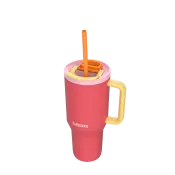
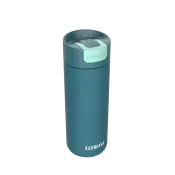
Etna Thermal Bottle 300 ml 500 ml
The Etna thermal bottle serves you a hot coffee when you struggle to stay awake at work, or an ice-cold drink after a tough workout. When you’re on your way from one activity to the next, it will not only keep your drink hot for 5 hours (300 ml) or 9 hours (500 ml) and cold for 11 hours (300 ml) or 18 hours (500 ml), but also prevent it from leaking. Wherever you are, you can always rely on the drinking position you need thanks to the handy 3 in 1 lid: push to take a sip, open to drink like you’re holding a cup and lock to head to the next adventure. Want to clean your bottle after a busy day? Relax, the bottle has a dishwasher-safe lid and Snapclean® technology! Just pinch and pull to remove the inner mechanism.
- Dishwasher safe lid
- BPA free
- Vacuum insulated 18/8 stainless steel
- Leak proof
- Bottom pad
Source with clarity
Interested in this product?
Ask Kambukka about pricing, availability, customization, and delivery requirements in one private inquiry.
- Private buyer–supplier conversation
- Free buyer account
- Keep messages and quotes organized
From this supplier
View vendor profile
More from Kambukka
Explore more approved listings published by the same company.
Compare the market
Browse category
Prodotti correlati
Review similar products from other suppliers in this category.


Sourcing intelligence
Practical guides for global trade
Recent FirmaPanel articles for evaluating suppliers, sourcing products, and preparing export conversations.
 Trade guide
Dovresti richiedere campioni prima di effettuare un ordine all'ingrosso?
Scopri quando richiedere campioni di prodotto prima di effettuare un ordine all'ingrosso, cosa possono e non possono dimostrare i campioni e come gli acquirenti dovrebbero utilizzare il campionamento per ridurre il rischio di approvvigionamento.
Read article
Trade guide
Dovresti richiedere campioni prima di effettuare un ordine all'ingrosso?
Scopri quando richiedere campioni di prodotto prima di effettuare un ordine all'ingrosso, cosa possono e non possono dimostrare i campioni e come gli acquirenti dovrebbero utilizzare il campionamento per ridurre il rischio di approvvigionamento.
Read article
 Trade guide
Quanto dovresti davvero ordinare da un nuovo fornitore?
Scopri come dimensionare un primo ordine da un nuovo fornitore utilizzando MOQ, domanda, tempi di consegna, costi di spedizione, rischio di qualità e esposizione di cassa invece del solo prezzo unitario.
Read article
Trade guide
Quanto dovresti davvero ordinare da un nuovo fornitore?
Scopri come dimensionare un primo ordine da un nuovo fornitore utilizzando MOQ, domanda, tempi di consegna, costi di spedizione, rischio di qualità e esposizione di cassa invece del solo prezzo unitario.
Read article
 Trade guide
Dovresti usare DDP quando importi dalla Cina?
Scopri quando la spedizione DDP dalla Cina può semplificare l'importazione, dove si presentano rischi doganali e fiscali, e quando DAP o FCA possono essere una scelta più sicura.
Read article
Trade guide
Dovresti usare DDP quando importi dalla Cina?
Scopri quando la spedizione DDP dalla Cina può semplificare l'importazione, dove si presentano rischi doganali e fiscali, e quando DAP o FCA possono essere una scelta più sicura.
Read article