
Số lượng đặt hàng tối thiểu
—
Loại
Gối
Chi tiết sản phẩm
Gleener Dryer Dots Fabric Softener
Soften laundry and reduce drying time naturally with Gleener Dryer Dots. Made with 100% ethically sourced New Zealand wool, Dryer Dots are hypoallergenic and biodegradable. Free of harmful chemicals, toxins, cacinogens, or perfumes, Dyer Dots are safe for those with asthma, eczema, sensitive skin, and allergies. These extra large dryer balls soak up moisture and increase air circulation in your dryer which allows you reduce drying time by up to 30%. Durable, reusable, compostable, and certified as 99% USDA BioPreferred - they naturally soften over 3000 loads of laundry.
SOFTEN, SEPARATE & FLUFF 3000 LOADS
Absorbing moisture and increasing air circulation as they rotate in the dryer, our dryer balls provide smooth and soft results in less time.
DOUBLE YOUR DOWNS
Bring your synthetic or natural down-filled puffer jackets, pillows, and duvets back to life with a gentle tumbling action. Dryer balls stop feather from clumping together, gently re-fluffing and refreshing the down.
REDUCE DRYING TIME BY 30%
Save time, money, energy, and never have to buy chemical fabric softeners again. Better for your pocketbook and for the environment.
DURABLE, REUSABLE, COMPOSTABLE
Dryer Dots are a biodegradable and sustainable alternative to disposable dryer sheets and liquid fabric softeners.
NATURAL, ETHICAL, SUSTAINABLE.
All it takes to make a Dryer Dot is a happy sheep with a fresh haircut, some soap & water to wash the wool, and a few days of Nepalese mountain sunlight to dry them out before packaging.
USDA BIOPREFERRED
Dryer Dots are USDA certified as 99% biobased and made of renewable resources.
Source with clarity
Interested in this product?
Ask Gleener Inc. about pricing, availability, customization, and delivery requirements in one private inquiry.
- Private buyer–supplier conversation
- Free buyer account
- Keep messages and quotes organized
From this supplier
View vendor profile
More from Gleener Inc.
Explore more approved listings published by the same company.

Compare the market
Browse category
Sản phẩm liên quan
Review similar products from other suppliers in this category.



Sourcing intelligence
Practical guides for global trade
Recent FirmaPanel articles for evaluating suppliers, sourcing products, and preparing export conversations.
 Trade guide
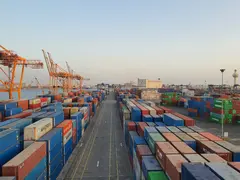
Vận Tải Biển FCL so với LCL: Bạn Nên Chọn Cái Nào?
So sánh FCL và LCL vận tải biển theo chi phí, kích thước lô hàng, xử lý, thời gian vận chuyển, phí đến đích và rủi ro. Tìm hiểu khi nào người nhập khẩu nên chọn mỗi tùy chọn.
Read article
Trade guide
Vận Tải Biển FCL so với LCL: Bạn Nên Chọn Cái Nào?
So sánh FCL và LCL vận tải biển theo chi phí, kích thước lô hàng, xử lý, thời gian vận chuyển, phí đến đích và rủi ro. Tìm hiểu khi nào người nhập khẩu nên chọn mỗi tùy chọn.
Read article
 Trade guide
Bạn có nên yêu cầu mẫu trước khi đặt hàng số lượng lớn không?
Tìm hiểu khi nào nên yêu cầu mẫu sản phẩm trước khi đặt hàng số lượng lớn, mẫu nào có thể và không thể chứng minh, và cách người mua nên sử dụng mẫu để giảm rủi ro trong việc tìm nguồn cung.
Read article
Trade guide
Bạn có nên yêu cầu mẫu trước khi đặt hàng số lượng lớn không?
Tìm hiểu khi nào nên yêu cầu mẫu sản phẩm trước khi đặt hàng số lượng lớn, mẫu nào có thể và không thể chứng minh, và cách người mua nên sử dụng mẫu để giảm rủi ro trong việc tìm nguồn cung.
Read article
 Trade guide
Bạn Nên Đặt Hàng Bao Nhiêu Từ Một Nhà Cung Cấp Mới?
Tìm hiểu cách xác định kích thước đơn hàng đầu tiên từ một nhà cung cấp mới bằng cách sử dụng MOQ, nhu cầu, thời gian giao hàng, chi phí vận chuyển, rủi ro chất lượng và mức độ tiếp xúc với tiền mặt thay vì chỉ dựa vào giá đơn vị.
Read article
Trade guide
Bạn Nên Đặt Hàng Bao Nhiêu Từ Một Nhà Cung Cấp Mới?
Tìm hiểu cách xác định kích thước đơn hàng đầu tiên từ một nhà cung cấp mới bằng cách sử dụng MOQ, nhu cầu, thời gian giao hàng, chi phí vận chuyển, rủi ro chất lượng và mức độ tiếp xúc với tiền mặt thay vì chỉ dựa vào giá đơn vị.
Read article