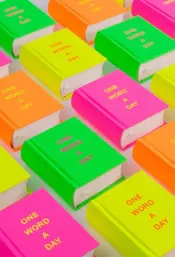
Minimalne zamówienie
—
Kategoria
Notatniki
Szczegóły produktu
Hibi Incense Matches
The incense of Awaji Island and the matches of Harima: These two traditional industries of Hyogo Prefecture first encountered each other in 2011. The collaboration started with the idea of an incense that could be lit like striking a match and was followed by 3 years of trial and error., An aromatic product with properties of strength and fragrance was developed, which did not break even when struck like a match. The names of products and packaging were developed to convey the sensibility of today’s Japan. All those things were ‘designs’ to create a new way of enjoying fragrance. The brand name hibi means ‘day to day’, or daily, in Japanese. It was given with the hope that you would keep it around you every day and freely enjoy its fragrance, matching each day’s mood or occasion. The logo’s design combines two of the Chinese character ‘日’ (day) set next to each other.
-
Match stick Incense
Source with clarity
Interested in this product?
Ask Misc Distribution about pricing, availability, customization, and delivery requirements in one private inquiry.
- Private buyer–supplier conversation
- Free buyer account
- Keep messages and quotes organized
From this supplier
View vendor profile
More from Misc Distribution
Explore more approved listings published by the same company.

Compare the market
Browse category
Powiązane produkty
Review similar products from other suppliers in this category.
Sourcing intelligence
Practical guides for global trade
Recent FirmaPanel articles for evaluating suppliers, sourcing products, and preparing export conversations.
 Trade guide
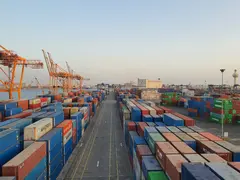
Transport morski FCL a LCL: Który powinieneś wybrać?
Porównaj transport morski FCL a LCL pod względem kosztów, rozmiaru przesyłki, obsługi, czasu tranzytu, opłat docelowych i ryzyka. Dowiedz się, kiedy importerzy powinni wybierać każdą z opcji.
Read article
Trade guide
Transport morski FCL a LCL: Który powinieneś wybrać?
Porównaj transport morski FCL a LCL pod względem kosztów, rozmiaru przesyłki, obsługi, czasu tranzytu, opłat docelowych i ryzyka. Dowiedz się, kiedy importerzy powinni wybierać każdą z opcji.
Read article
 Trade guide
Czy powinieneś prosić o próbki przed złożeniem zamówienia hurtowego?
Dowiedz się, kiedy warto poprosić o próbki produktów przed złożeniem zamówienia hurtowego, jakie próbki mogą i nie mogą udowodnić oraz jak kupujący powinni korzystać z próbkowania, aby zredukować ryzyko pozyskiwania.
Read article
Trade guide
Czy powinieneś prosić o próbki przed złożeniem zamówienia hurtowego?
Dowiedz się, kiedy warto poprosić o próbki produktów przed złożeniem zamówienia hurtowego, jakie próbki mogą i nie mogą udowodnić oraz jak kupujący powinni korzystać z próbkowania, aby zredukować ryzyko pozyskiwania.
Read article
 Trade guide
Ile naprawdę powinieneś zamówić od nowego dostawcy?
Dowiedz się, jak określić wielkość pierwszego zamówienia od nowego dostawcy, uwzględniając MOQ, popyt, czas realizacji, transport, ryzyko jakości i ekspozycję gotówki, a nie tylko cenę jednostkową.
Read article
Trade guide
Ile naprawdę powinieneś zamówić od nowego dostawcy?
Dowiedz się, jak określić wielkość pierwszego zamówienia od nowego dostawcy, uwzględniając MOQ, popyt, czas realizacji, transport, ryzyko jakości i ekspozycję gotówki, a nie tylko cenę jednostkową.
Read article