
Minimalne zamówienie
—
Kategoria
Talerze
Szczegóły produktu
Bagastro Disposable Tableware
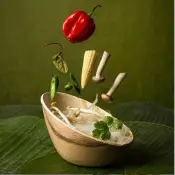
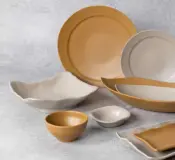
Bagastro is the name of Sier Disposables elegant product line, made from sugar cane pulp. Sugar cane pulp is also known as «bagasse». As products made from this material are very suitable for gastronomic purposes, we decided to call this series «Bagastro».
Eco Friendly
Bagasse is a waste product in the production of sugar from sugar cane. This waste used to be incinerated, but nowadays it is used, among other purposes, to produce disposables. Moreover, our Bagastro products are biodegradable and sustainable as well as eco-friendly.
Unique design
Bagastro products have the unique look and feel of a natural material that lends itself to producing unique shapes. Our Bagastro series had to be stylish and simple yet practical. The exclusive design of the models meet these requirements perfectly once again.
Source with clarity
Interested in this product?
Ask Sier Disposables B.V. about pricing, availability, customization, and delivery requirements in one private inquiry.
- Private buyer–supplier conversation
- Free buyer account
- Keep messages and quotes organized
From this supplier
View vendor profile
More from Sier Disposables B.V.
Explore more approved listings published by the same company.


Compare the market
Browse category
Powiązane produkty
Review similar products from other suppliers in this category.
Sourcing intelligence
Practical guides for global trade
Recent FirmaPanel articles for evaluating suppliers, sourcing products, and preparing export conversations.
 Trade guide
Czy powinieneś prosić o próbki przed złożeniem zamówienia hurtowego?
Dowiedz się, kiedy warto poprosić o próbki produktów przed złożeniem zamówienia hurtowego, jakie próbki mogą i nie mogą udowodnić oraz jak kupujący powinni korzystać z próbkowania, aby zredukować ryzyko pozyskiwania.
Read article
Trade guide
Czy powinieneś prosić o próbki przed złożeniem zamówienia hurtowego?
Dowiedz się, kiedy warto poprosić o próbki produktów przed złożeniem zamówienia hurtowego, jakie próbki mogą i nie mogą udowodnić oraz jak kupujący powinni korzystać z próbkowania, aby zredukować ryzyko pozyskiwania.
Read article
 Trade guide
Ile naprawdę powinieneś zamówić od nowego dostawcy?
Dowiedz się, jak określić wielkość pierwszego zamówienia od nowego dostawcy, uwzględniając MOQ, popyt, czas realizacji, transport, ryzyko jakości i ekspozycję gotówki, a nie tylko cenę jednostkową.
Read article
Trade guide
Ile naprawdę powinieneś zamówić od nowego dostawcy?
Dowiedz się, jak określić wielkość pierwszego zamówienia od nowego dostawcy, uwzględniając MOQ, popyt, czas realizacji, transport, ryzyko jakości i ekspozycję gotówki, a nie tylko cenę jednostkową.
Read article
 Trade guide
Czy powinieneś używać DDP przy imporcie z Chin?
Dowiedz się, kiedy transport DDP z Chin może uprościć import, gdzie pojawiają się ryzyka celne i podatkowe oraz kiedy DAP lub FCA mogą być bezpieczniejszym wyborem.
Read article
Trade guide
Czy powinieneś używać DDP przy imporcie z Chin?
Dowiedz się, kiedy transport DDP z Chin może uprościć import, gdzie pojawiają się ryzyka celne i podatkowe oraz kiedy DAP lub FCA mogą być bezpieczniejszym wyborem.
Read article