Cantidad mínima de pedido
—
Categoría
Accesorios de hogar lifestyle
Detalles del producto
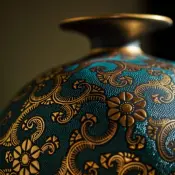
Yatsuyanagi Cherry Bark Craft
Cherry bark craft (Kabazaiku) is a 250-year-old tradition
from Akita in northern Japan, made from the bark
of the yamazakura (mountain cherry). Introduced
in the late 18th century, it grew into a respected local
industry and was later recognized as a traditional
Japanese craft.
Its natural, silk-like luster and deep color give each
piece quiet elegance. The bark is harvested only in
early summer without harming the tree, then dried,
softened, and polished by hand.
Kabazaiku is valued for its durability and excellent
humidity control—ideal for keeping tea fresh.
Yatsuyanagi, founded in 1876 in Kakunodate, is one
of the studios preserving this craft. They minimize
waste, repurpose offcuts, and support sustainability
by replanting mountain cherry trees. Despite
climate shifts and fewer artisans, they remain
committed to carrying this tradition forward.
Source with clarity
Interested in this product?
Ask MUSUBI KILN about pricing, availability, customization, and delivery requirements in one private inquiry.
- Private buyer–supplier conversation
- Free buyer account
- Keep messages and quotes organized
From this supplier
View vendor profile
More from MUSUBI KILN
Explore more approved listings published by the same company.



Compare the market
Browse category
Productos relacionados
Review similar products from other suppliers in this category.

Sourcing intelligence
Practical guides for global trade
Recent FirmaPanel articles for evaluating suppliers, sourcing products, and preparing export conversations.
 Trade guide
¿Deberías pedir muestras antes de realizar un pedido al por mayor?
Aprende cuándo solicitar muestras de productos antes de realizar un pedido al por mayor, qué muestras pueden y no pueden probar, y cómo los compradores deben utilizar las muestras para reducir el riesgo de abastecimiento.
Read article
Trade guide
¿Deberías pedir muestras antes de realizar un pedido al por mayor?
Aprende cuándo solicitar muestras de productos antes de realizar un pedido al por mayor, qué muestras pueden y no pueden probar, y cómo los compradores deben utilizar las muestras para reducir el riesgo de abastecimiento.
Read article
 Trade guide
¿Cuánto deberías pedir realmente a un nuevo proveedor?
Aprende a dimensionar un primer pedido de un nuevo proveedor utilizando MOQ, demanda, tiempo de entrega, flete, riesgo de calidad y exposición de efectivo en lugar de solo el precio unitario.
Read article
Trade guide
¿Cuánto deberías pedir realmente a un nuevo proveedor?
Aprende a dimensionar un primer pedido de un nuevo proveedor utilizando MOQ, demanda, tiempo de entrega, flete, riesgo de calidad y exposición de efectivo en lugar de solo el precio unitario.
Read article
 Trade guide
¿Deberías usar DDP al importar de China?
Aprende cuándo el envío DDP desde China puede simplificar la importación, dónde aparecen los riesgos de aduanas e impuestos, y cuándo DAP o FCA pueden ser una opción más segura.
Read article
Trade guide
¿Deberías usar DDP al importar de China?
Aprende cuándo el envío DDP desde China puede simplificar la importación, dónde aparecen los riesgos de aduanas e impuestos, y cuándo DAP o FCA pueden ser una opción más segura.
Read article